

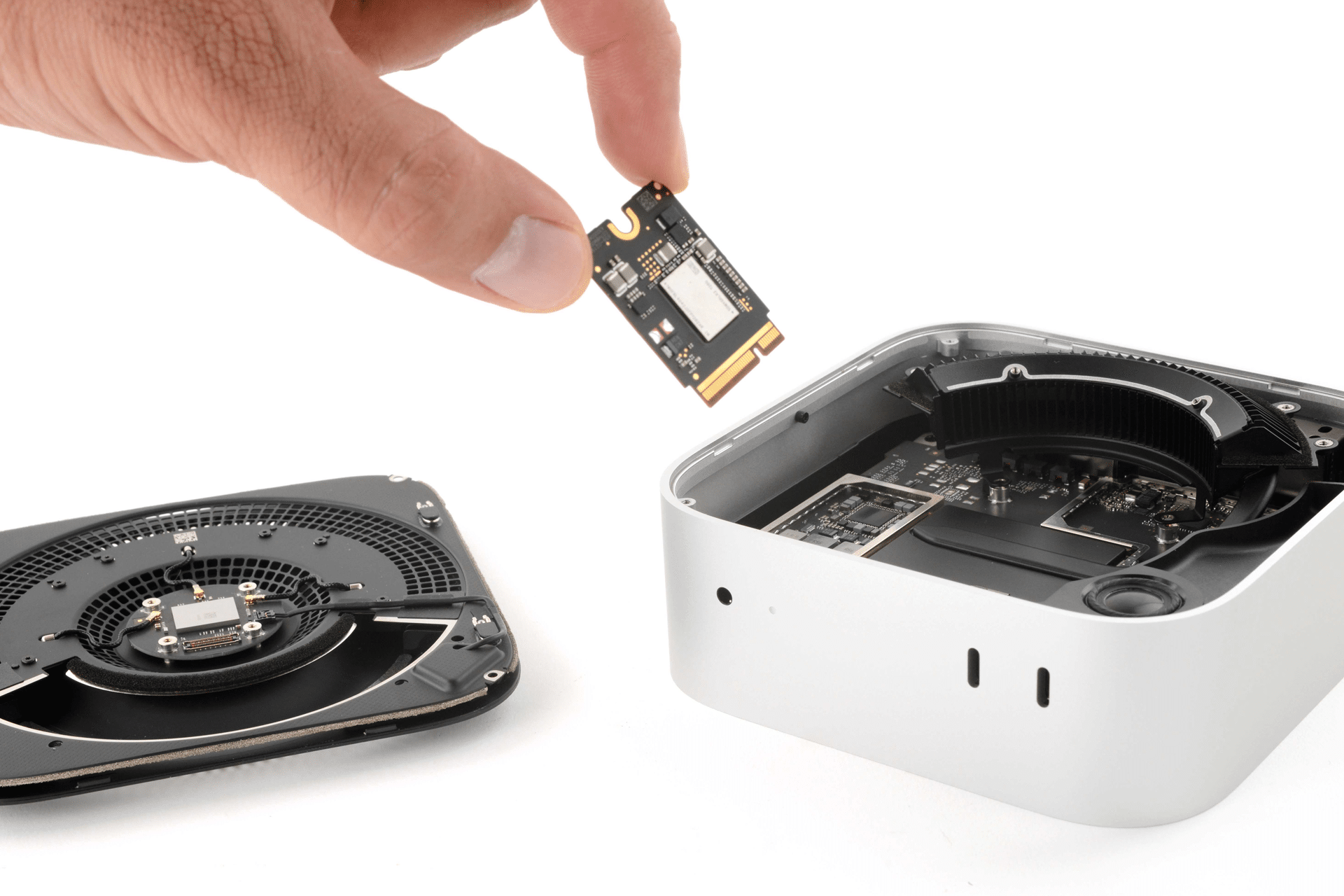
Apple relies on a small group of major semiconductor memory suppliers — Samsung Electronics, SK Hynix, and Micron Technology — for the DRAM and NAND flash memory used in iPhone, iPad, and Mac devices. These components critically influence device performance, multitasking speed, available storage capacity, and ultimately the cost of hardware. However, in early 2026 the memory market shifted dramatically, with prices rising sharply as artificial intelligence infrastructure projects drew massive memory orders and constrained supply for consumer electronics.
Memory price indices show that in Q1 2026 conventional DRAM contract prices surged around 90–95% quarter-over-quarter, the largest quarterly increase on record. NAND flash memory has experienced similar inflation in recent months.
How memory pricing affects Apple devices is complex. On average, memory components — DRAM and NAND — account for an increasing proportion of smartphone component costs. Recent research suggests memory could represent roughly 20% or more of a smartphone’s total bill of materials (BoM) in 2026 as a result of these pricing dynamics.
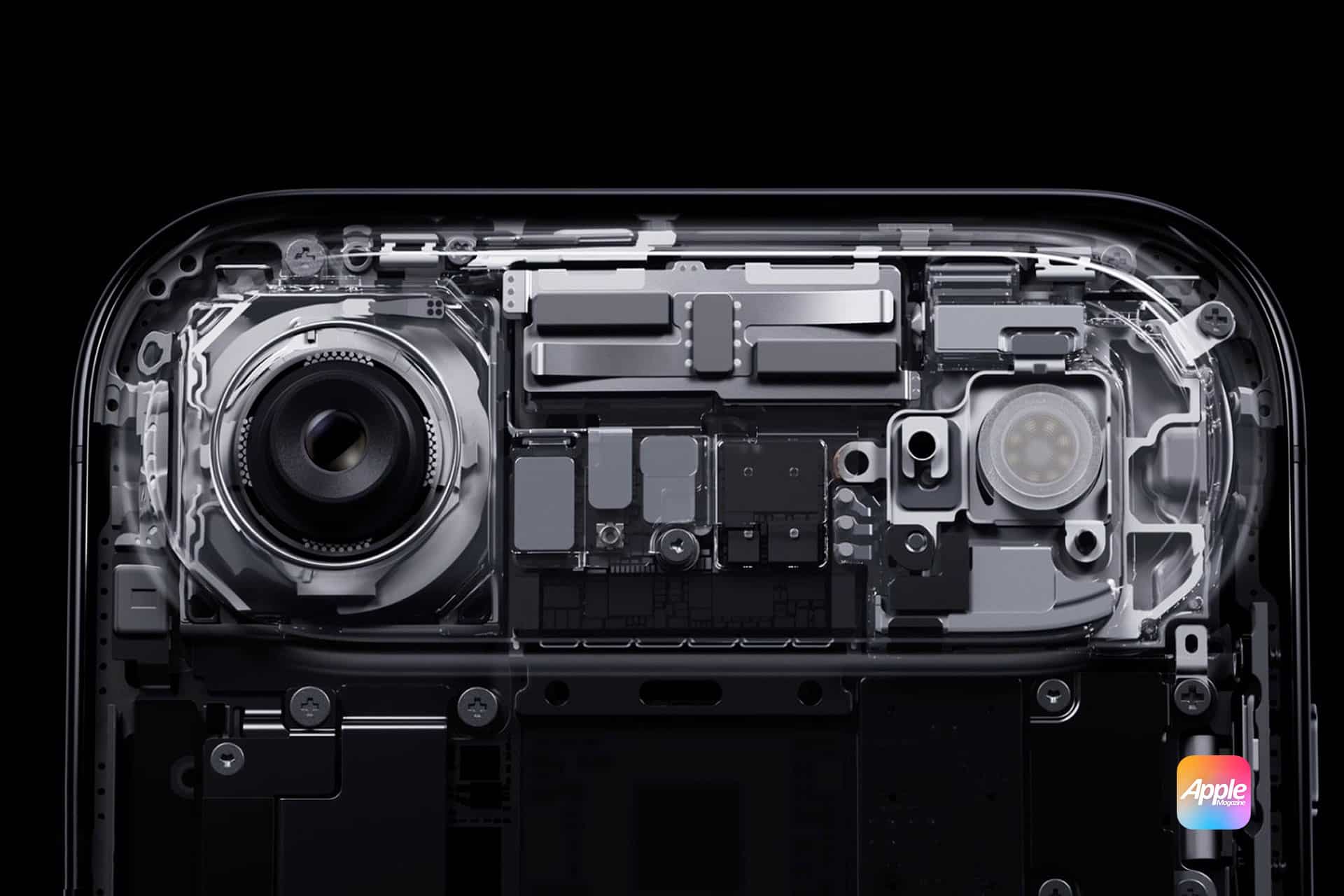
For Apple’s high-end devices, this matters because iPhones now ship with larger memory and storage configurations than ever before. For example, premium iPhone models such as the Pro lineup regularly include 8GB to 12GB of unified DRAM memory and base storage options starting at 256GB and scaling to 1TB. Rising per-gigabit memory costs mean the commodity cost of these parts has increased sharply compared to earlier years.

Price Inflation and Strategic Implications
The surge in memory pricing stems from a global shift in supply allocation toward high-bandwidth memory (HBM) and other specialized modules used in AI servers and data center hardware. As a result, consumer-oriented DRAM and NAND supply has tightened. One industry forecast from Gartner projects that combined DRAM and SSD prices could rise by as much as 130% by the end of 2026, potentially increasing average PC prices by around 17% and smartphone prices by around 13%.
For Apple, which ships millions of iPhones and Macs per quarter, even modest memory cost increases translate into material pressure on hardware margins. Apple executives have publicly acknowledged that rising memory prices are beginning to influence production planning, particularly as demand for iPhone remains strong in markets like China and India.
Because DRAM contract prices have climbed so rapidly, Apple has emphasized long-term supply arrangements with its partners. Reports indicate Apple has secured DRAM contracts through 2026 to lock in supply and delay the impact of price spikes — a strategy that helps keep device price increases as limited as possible compared with competitors.
Different Memory Categories, Different Pressures
Not all memory types are affected equally, but the trend is pervasive:
- DRAM (LPDDR for mobile devices): Prices have climbed significantly as AI server demand draws wafer capacity from traditional DRAM production. DRAM cost increases of 60–70% year over year were reported in early 2026 in key contract segments.
- NAND flash (storage in iPhones and Macs): Reports say Samsung, SK Hynix, and Sandisk all planned roughly doubling NAND chip prices in early 2026 as supply tightens.
The combined effect means that Apple’s cost structure for memory and storage has shifted compared to prior years, even as Apple’s focus on custom silicon helps mitigate some inefficiencies.
Integration and Design Mitigation
Unlike some competitors who source discrete memory modules from the open market, Apple’s memory utilization is tightly integrated into its system-on-chip design. For Macs and iPads, DRAM is part of the unified memory subsystem on Apple silicon, which can offer performance efficiencies that require less total memory capacity to achieve similar performance compared with traditional architectures.
Nonetheless, storage inflation affects all device categories. Higher NAND flash costs could influence configuration pricing tiers or force Apple to redesign upgrade pricing structures to maintain margin stability.
Consumer Device Pricing and Memory Costs
Apple does not automatically pass wholesale memory price increases to end customers, but market pressures can still ripple into product pricing and configuration strategy. A recent report indicated that Apple adjusted pricing on MacBook models by around $100 to $400 in 2026, partly due to overall component cost inflation, including memory.
Smartphone manufacturers in general have begun to manage memory costs in several ways: adjusting base memory capacities, smoothing price increases across configurations, or refining storage tier options. The challenge for Apple is balancing competitive pricing with premium device positioning while maintaining profitable margins amid market headwinds.
Long-Term Outlook
Memory pricing volatility may persist until new fabrication capacity comes online and supply catches up with demand. Industry analysts warn that memory prices may not fall significantly until 2027 or later, as AI infrastructure demand continues to compete with consumer markets for DRAM and NAND supply.
Apple’s memory sourcing and design strategy emphasizes diversified suppliers and long-term contracts that help mitigate rapid price shifts. But even with that approach, global memory inflation has become a significant factor in the hardware economics of smartphones, tablets, and personal computers in 2026.