Apple Music entered 2025 already established, but it finished the year transformed. Listenership reached new highs, subscriptions climbed faster than at any point in the service’s history, and daily engagement deepened across markets. What stood out was not a single headline feature, but how many small improvements quietly reshaped the listening experience.
Ten years after launch, Apple Music felt less like a streaming app and more like a living platform built around music as a daily habit.
A Milestone Year for the Platform
The 10-year anniversary became a moment of reinvention rather than reflection. Apple Music introduced its most significant product update since launch and opened a new state-of-the-art studio designed to support artists, live sessions, and original content. The focus stayed firmly on music itself, not metrics.
These changes arrived as the service posted all-time highs in both listening hours and new subscribers, confirming that maturity did not mean stagnation. Apple Music grew by refining how people interact with music, not by overwhelming them with choice.
Features That Changed Everyday Listening
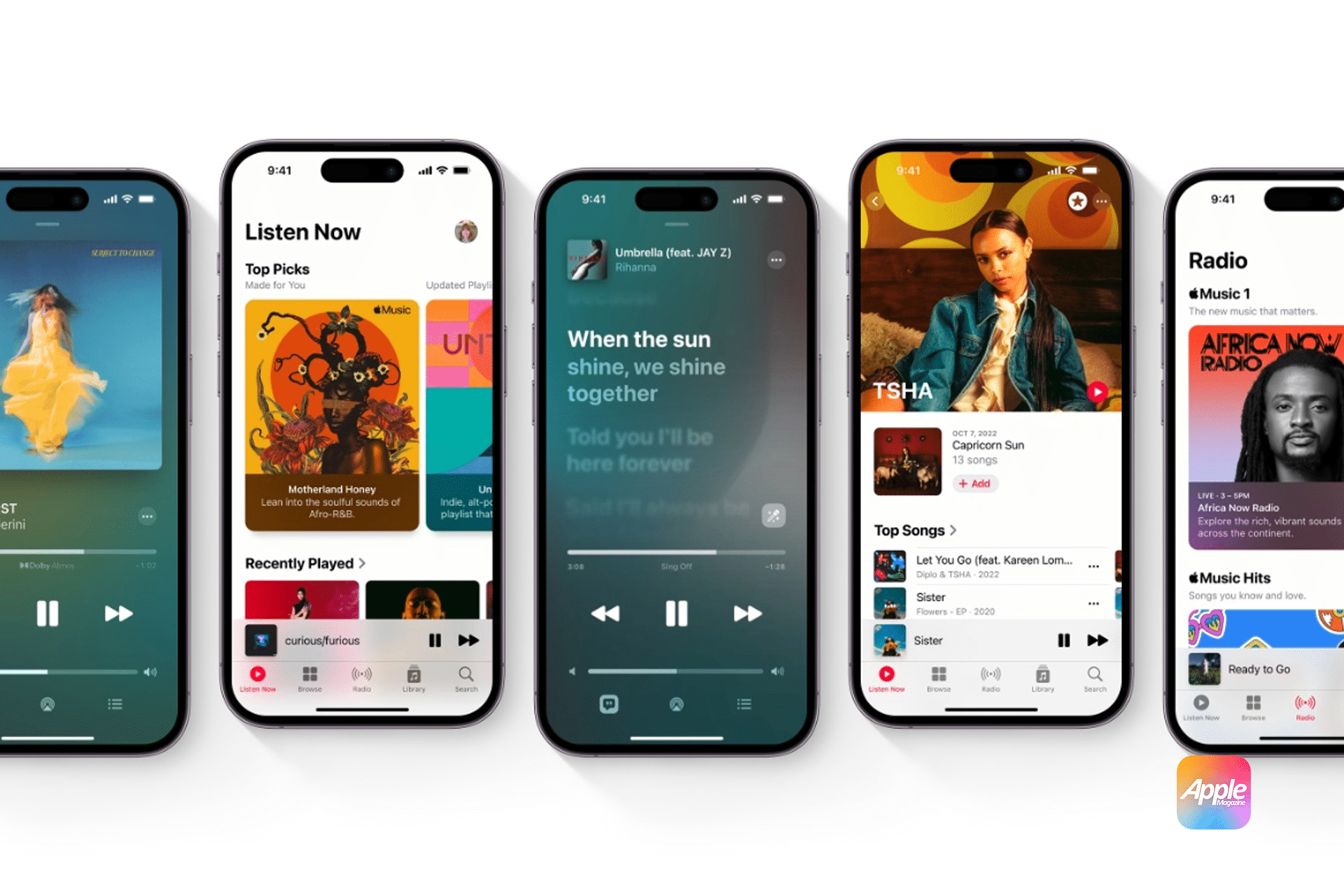
Several updates in 2025 reshaped how people discover and enjoy music. Lyrics Translation and Pronunciation removed language barriers, making global catalogs feel accessible rather than distant. AutoMix introduced seamless transitions between tracks, turning playlists into continuous, DJ-like sessions. Library Pins made frequently played music easier to reach, while in-app Replay stats brought year-round insight into listening habits.
Apple Music Sing also evolved. iPhone became a microphone for living-room sessions, voices amplified through the TV, with Continuity Camera placing singers on screen alongside lyrics and visual effects. During the holidays, Mariah Carey’s “All I Want for Christmas Is You” became the most sung track on the platform, a small detail that reflected how interactive the service had become.
Discovery at Global Scale
Music discovery continued to expand through Shazam, which averaged more than one billion recognitions per month in 2025. Updates to the app and web experience strengthened its role as a gateway between curiosity and listening, often leading users directly into Apple Music.
At the same time, Apple Music pushed beyond its traditional boundaries. Partnerships with companies such as GM, TuneIn, and Chase extended access to new environments and audiences, bringing the service to listeners who may not start their music journey on an Apple device.
This broader reach reinforced a simple idea: Apple Music is no longer confined to an ecosystem. It travels wherever music is needed.
A Platform Shaped by Use, Not Noise
What defined Apple Music in 2025 was restraint. Instead of chasing trends, the service refined the fundamentals: discovery, expression, and connection between artists and listeners. Growth followed naturally.
By the end of the year, Apple Music stood not just as a streaming service with scale, but as a platform that understands how people actually listen, sing, search, and share music in everyday life.