


Apple Music discovery has always been more interesting when it moves beyond algorithmic playlists. Personalized mixes are useful, and Apple Music has plenty of them, but the service’s strongest identity comes from a more human approach: editors, radio hosts, artist interviews, genre pages, curated playlists, music credits, live sets, Shazam signals, lyrics, and cultural programming that help listeners understand why a song matters, not only why an algorithm thinks it fits.
That difference is important in a streaming market where music apps can start to feel similar. Every major platform can recommend songs based on listening history. Every service can build a mood playlist, a workout mix, a chill queue, or a weekly discovery feed. The harder challenge is making discovery feel intentional. A listener may not want only more songs that sound like yesterday’s songs. They may want a real path into a genre, an artist’s catalog, a producer’s work, a regional scene, a live performance, or a new release that would not appear in their usual listening pattern.
Apple Music is built around that broader idea. Its web player and app present live global radio stations such as Apple Music 1, Apple Music Hits, Apple Music Country, Apple Música Uno, Apple Music Club, and Apple Music Chill, while Apple’s 2024 radio expansion added more live-hosted programming around artists, DJs, producers, and global scenes. Apple’s own Music Style Guide also emphasizes metadata quality as a way to enhance the listener experience and increase discoverability, showing how credits, artwork, lyrics, and formatting remain part of how music is found.
Discovery on Apple Music is therefore not one feature. It is a network of surfaces. A user may find a song through a playlist, hear the artist interviewed on radio, recognize the track through Shazam, open the album page, read lyrics, check credits, discover the producer, follow the artist, see concerts, or later rediscover the song through Replay. The algorithm helps, but it should not be the whole story.

Editorial Playlists Give Apple Music Its Taste
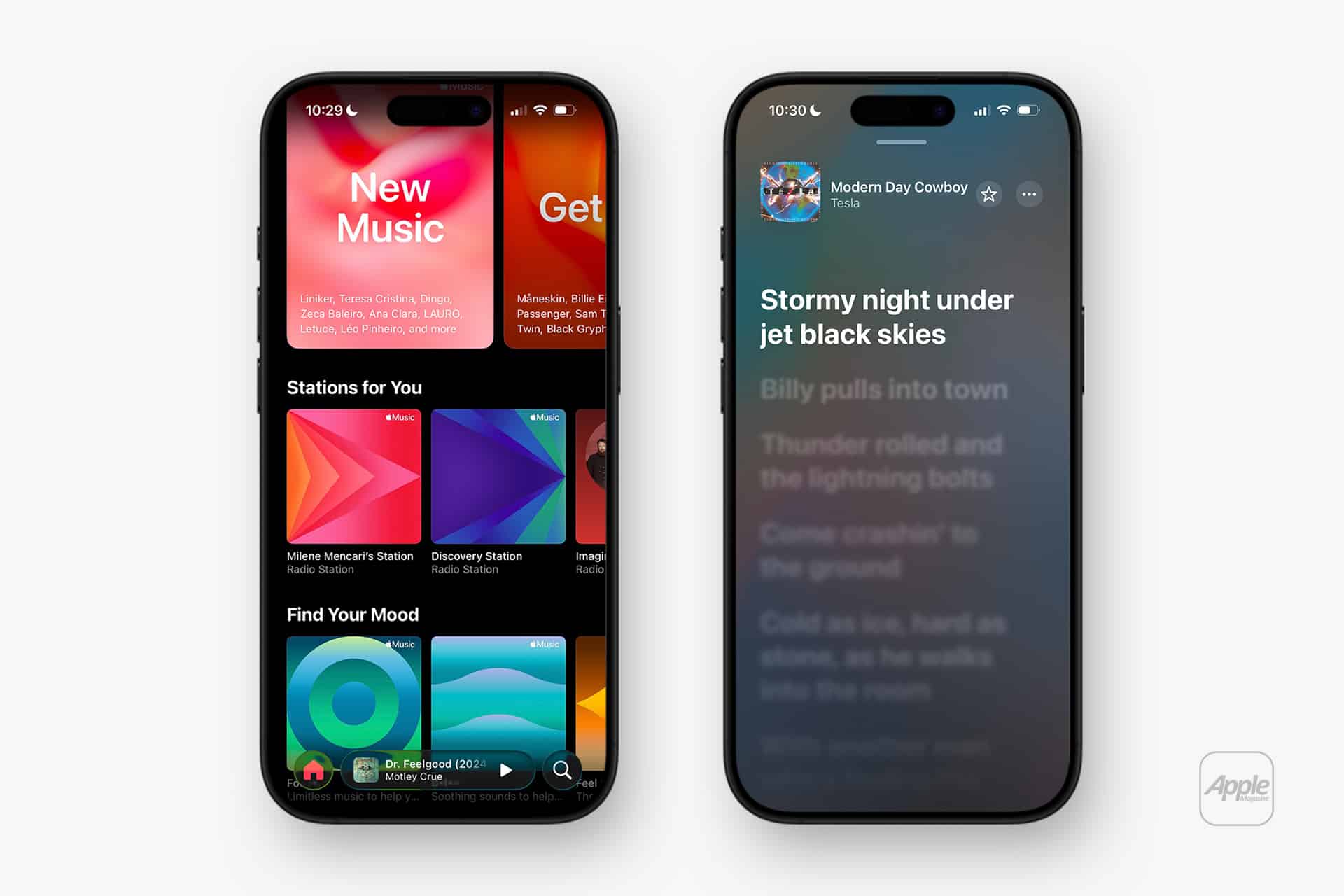
Apple Music discovery is strongest when editorial playlists feel selected rather than generated. Apple Music has long leaned into curated playlists across genres, moods, regions, activities, decades, and cultural moments. Lists such as New Music Daily, Today’s Hits, Rap Life, ALT CTRL, A-List Pop, dance, country, Latin, R&B, classical, jazz, and regional collections help listeners move through music with a sense of taste and context.
That matters because algorithmic playlists can become too literal. If a listener plays acoustic pop, the system may keep giving them more acoustic pop. If they listen to one genre heavily, recommendations can narrow. Editorial playlists can interrupt that loop by placing new artists, unexpected collaborations, regional scenes, and emerging sounds beside more familiar names.
Human curation also helps with trust. A playlist made by editors suggests a point of view. It can reflect a release week, a genre conversation, a festival moment, a cultural anniversary, or a rising scene. That gives listeners a reason to explore beyond the comfort of personalized repetition.
For artists, editorial placement can be powerful because it connects a track to a broader cultural lane. Apple’s public tools for artists emphasize analytics, listener locations, radio spins, and performance trends, while Apple’s style and content standards show how important clean metadata and presentation are for discoverability. A song that arrives with correct credits, lyrics, artwork, spatial audio, and accurate metadata has a stronger chance of being understood by both listeners and Apple’s systems.
This is where Apple Music’s discovery model becomes hybrid. Human editorial curation gives music a cultural frame. Data and personalization help the right listeners find it later.
Radio Makes Discovery Feel Alive
Apple Music discovery also benefits from radio because radio brings voices, pacing, interviews, and personality back into streaming. Apple Music 1, Apple Music Hits, Apple Music Country, Apple Música Uno, Apple Music Club, and Apple Music Chill give the service a live-programming layer that most algorithmic playlists cannot match.
Radio is valuable because it can explain music in real time. A host can introduce an artist, talk about a scene, connect a song to a moment, play a new release beside an influence, or bring artists into conversation. That kind of context can make a track more memorable than simply appearing between two recommended songs.
Apple’s radio expansion added stations aimed at Latin music, club culture, and chill programming, with shows tied to artists and DJs such as Becky G, Rauw Alejandro, Grupo Frontera, Honey Dijon, Jamie xx, FKA twigs, Nia Archives, Brian Eno, and others. That gives Apple Music a stronger cultural layer across languages, scenes, and listening moods.
Radio also works well for passive discovery. A listener does not always want to build a queue or choose a playlist. Sometimes the best discovery happens when someone presses play and lets a host or station guide the mood. Apple Music’s live stations and on-demand shows give the service a more traditional music-media identity inside a modern streaming app.
That helps Apple avoid becoming only a recommendation machine.
Artist Pages, Credits, and Lyrics Create Pathways
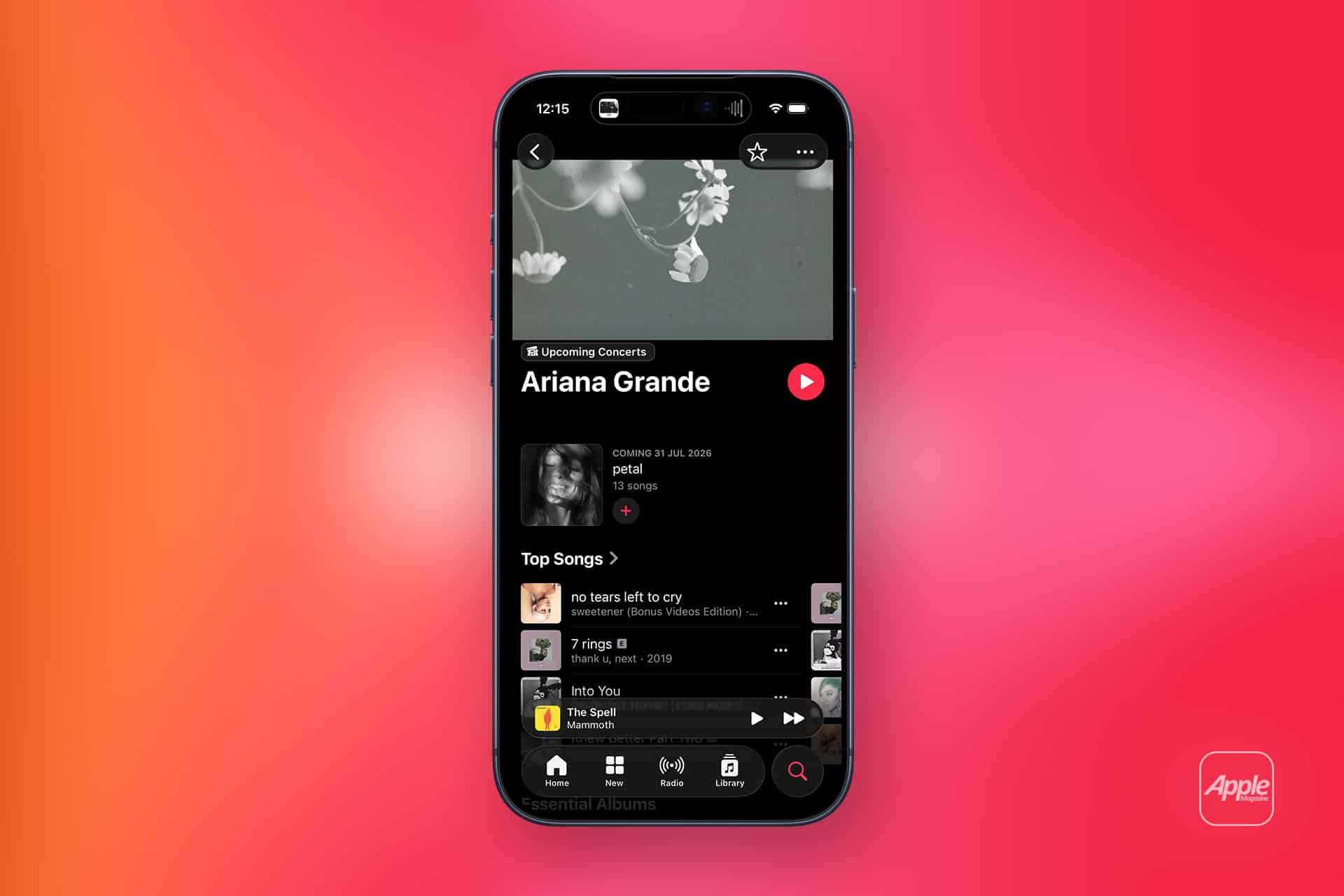
Apple Music discovery improves when listeners can move from a song into the people behind it. Artist pages, album pages, lyrics, credits, music videos, related artists, and top songs all help turn one track into a path. A listener may start with a single song, then find the album, then discover the songwriter, producer, featured artist, or earlier release.
This is especially important because modern music discovery often begins out of context. A listener may hear a fragment through social media, a playlist, Shazam, a friend, a video, or a radio segment. The streaming app then has to rebuild context. Who made it? What album is it from? What else sounds like this? Who produced it? Are there lyrics? Is there a video? Is the artist touring?
Apple’s Music Style Guide makes this point indirectly by emphasizing formatted music, artwork, and metadata to improve listener experience and discoverability. Good metadata is not just a backend requirement. It shapes how music appears, how users understand it, and how the catalog connects artists to songs.
Lyrics also play a discovery role. Apple Music’s synced lyrics make songs easier to follow, quote, translate, and understand. Apple’s iOS 26 guidance for artists also highlights lyric translation and pronunciation features, which can help listeners connect with songs in languages they may not speak fluently. That expands discovery across borders because a song can travel further when meaning and pronunciation become easier to access.
Discovery is not always about finding a new track. Sometimes it is about understanding the track enough to keep listening.
Shazam Gives Apple a Real-World Discovery Engine
Apple Music discovery has another advantage through Shazam. Shazam is one of the most direct forms of music discovery because it begins outside the app. A user hears a song in a café, store, car, TV show, video, party, gym, or public space, then identifies it and adds it to Apple Music.
That creates a different signal from ordinary streaming behavior. A Shazam is not just a passive play. It shows that a song caught someone’s attention in the real world. Apple has used Shazam data in charts and discovery surfaces, and Apple’s year-end charts have referenced Shazam tags alongside streams, radio spins, lyrics, and other signals.
This matters because some songs grow from the outside in. A track may not begin as a playlist priority. It may start in clubs, TikTok clips, movie scenes, sports broadcasts, ads, radio, or local scenes. Shazam helps Apple Music capture that moment and connect it to the streaming catalog.
For users, Shazam creates a personal discovery archive. Songs identified over months or years become a record of places, moods, and moments. When connected with Apple Music, those identifications can become playlists, library additions, and artist exploration.
That gives Apple Music a discovery surface that algorithms alone cannot create. The world becomes part of the recommendation system.
Replay and Personal History Support Rediscovery
Apple Music discovery is not only about new music. Rediscovery matters too. Apple Music Replay lets users revisit the songs, artists, and albums that shaped their listening history. Apple Music’s Replay page now includes annual Replay mixes, and Apple’s 10-year Apple Music celebration introduced a broader “Replay All Time” concept around long-term listening history.
That matters because music is emotional and cyclical. A song from last summer may become meaningful again. An old album may return after a breakup, trip, workout phase, school year, or family moment. Discovery can be backward as well as forward.
Replay also gives Apple Music a personal identity layer. It shows users what they actually played, not only what the service recommends. That can make listening history feel more intentional and help users reconnect with artists they stopped following.
Apple can use this more deeply over time. A strong discovery service should not only say “here is something new.” It should also say “here is something you forgot you loved,” “here is the album behind that song,” or “here is the artist’s new release after the track you played all year.”
Human memory and music discovery are connected. Replay gives Apple Music a structured way to bring that back into the app.

Concert Discovery Connects Streaming to Real Life
Apple Music discovery is also expanding into live music. Apple’s iOS 26 artist guidance describes new concert-related features, including ways for artists to connect with fans when they take concert pictures in Photos and broader enhancements around the Apple Music experience. Reporting around iOS 26.4 also pointed to concert discovery features that surface nearby performances by artists in a user’s library and recommended musicians.
That is important because streaming should not isolate music from real-world culture. A song can lead to a live show. A live show can lead to a new artist. A concert photo can reconnect a fan with a performance. Discovery becomes stronger when it moves between the app and the physical world.
For Apple, this also connects Music with Maps, Wallet, Photos, Calendar, and Apple Pay. A user may discover an artist, see a show listing, save the event, buy tickets, store them in Wallet, take concert photos, and return to the artist page afterward. That is the kind of ecosystem flow Apple can build better than most streaming companies.
The strongest music platforms are not only catalogs. They are bridges between songs, artists, listeners, and live experiences.
AI Playlists Should Support, Not Replace, Curation
Apple Music discovery is also entering an AI phase. Recent reporting around iOS 26.4 described a beta “Playlist Playground” feature that uses AI to create playlists from prompts, with users able to customize the results by adding, removing, or reordering songs. That kind of tool can be useful when a listener wants a fast mood-based mix, a themed playlist, or a personal soundtrack for a specific moment.
The risk is that AI playlists become another layer of sameness if they only repackage familiar tracks. Apple’s best path is to use AI as a helper, not a replacement for editorial taste. A prompt-based playlist can serve a moment. Editorial curation can define culture. Radio can provide personality. Shazam can capture real-world discovery. Artist pages and credits can create context. Replay can bring back memory.
That layered approach is better than making everything algorithmic. AI can help listeners start quickly, but human and cultural surfaces should keep the service from becoming generic.
Apple’s recent stance on AI-generated songs also fits this philosophy. The company reportedly told partners that AI should amplify artists, not replace them, and said AI-generated songs account for less than 1% of plays. That same idea should guide discovery. Technology can help listeners find music, but it should not flatten music into background content without artist identity.
Apple Music’s Advantage Is Curation Plus Context
Apple Music discovery works best when it combines personalization with human judgment. Algorithmic playlists are convenient, but they can trap listeners inside their own habits. Editorial playlists widen the frame. Radio adds voice and culture. Shazam captures real-world curiosity. Lyrics and credits deepen understanding. Artist pages build pathways. Replay creates rediscovery. Concert features reconnect streaming to live music.
That is Apple Music’s best identity in a crowded market. It does not need to beat every rival by becoming the most aggressive recommendation engine. It can win by making discovery feel more musical, more human, and more connected to artists.
The best music discovery does not only ask what a listener has already played. It asks what they might be ready to hear next, what scene they have not entered yet, what artist deserves attention, what song caught them in the real world, and what forgotten track still belongs to them.
Apple Music has the pieces to make that experience stronger. The challenge is keeping those pieces visible, not hiding them under the convenience of another algorithmic mix.