


Apple Music has evolved far beyond a streaming catalog, quietly building a layered discovery system that learns from listening behavior, library activity, and subtle engagement signals to deliver more relevant recommendations over time. Many listeners rely primarily on the Home tab or editorial playlists, but several discovery tools operate behind the scenes that significantly improve how new music surfaces, especially for users who interact actively with their libraries.
One of the most influential factors shaping discovery is the interaction between listening habits and library activity. Songs that are saved, added to playlists, replayed frequently, or shared send stronger signals to the recommendation engine than songs played only once. Over weeks and months, these signals shape daily mixes, radio suggestions, and artist recommendations that feel increasingly tailored to each user’s taste profile.
Personalized Mixes That Update Automatically
Apple Music’s personalized mixes — including Favorites Mix, New Music Mix, Chill Mix, and Discovery Mix — update automatically based on recent listening activity. Many users see these playlists as static suggestions, but their accuracy improves significantly when listeners consistently add favorite songs to their libraries or mark disliked songs using the Suggest Less Like This option. Each interaction gradually reshapes future recommendations.
The Discovery Mix in particular functions as a weekly exploration engine, presenting tracks from artists outside the listener’s primary rotation while still maintaining stylistic alignment with listening patterns. Over time, this playlist becomes one of the most reliable sources of new artist discovery because it continuously adapts to subtle shifts in listening habits.

Radio Stations as Discovery Engines
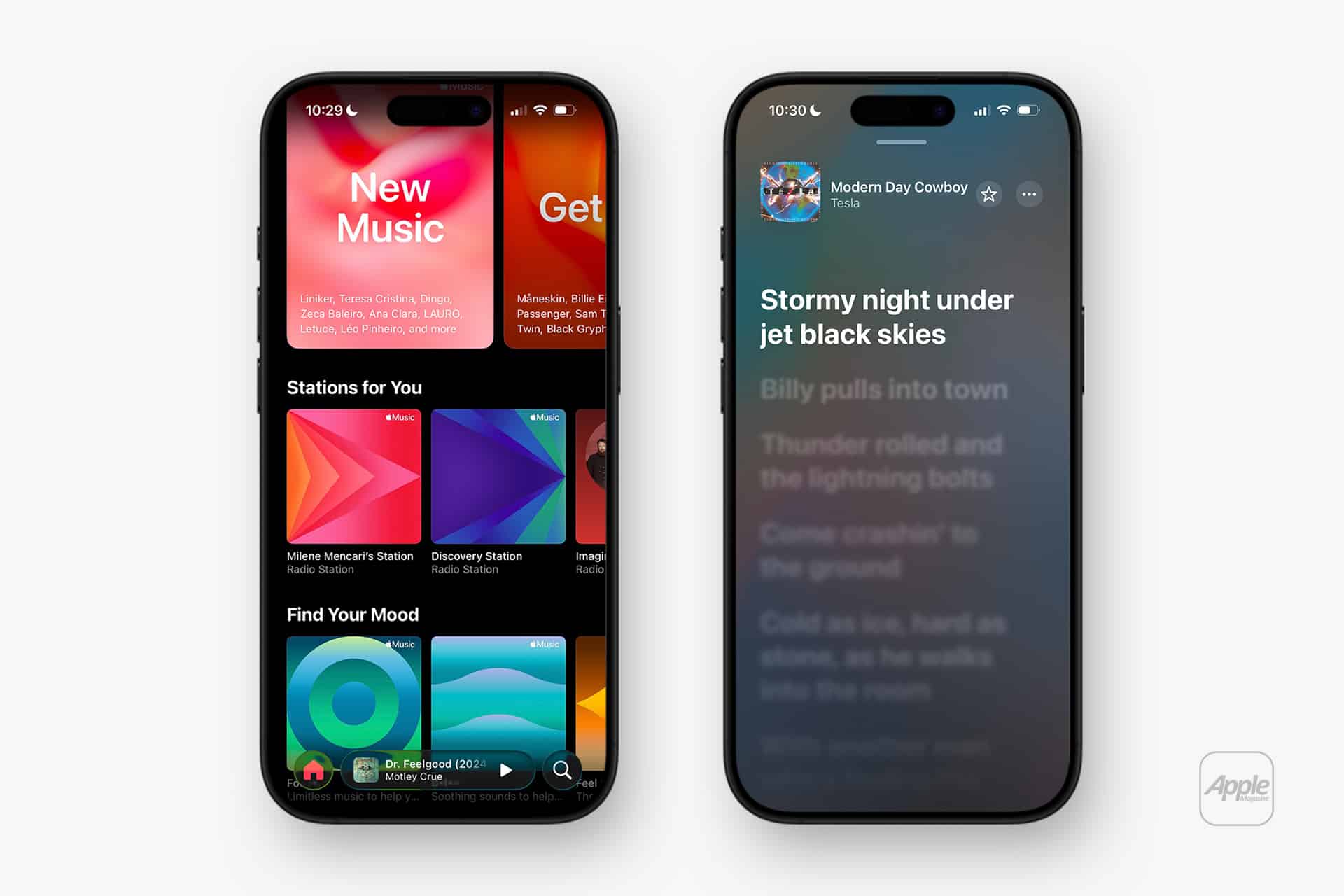
Artist-based radio stations are another powerful but often underused discovery tool. Starting a station from a favorite song or artist creates an automatically generated sequence of tracks sharing stylistic or production similarities. Unlike static playlists, these stations evolve dynamically, incorporating both familiar artists and emerging performers who match the same sonic profile.
Listener-created stations also refine recommendations more effectively when users skip songs they do not enjoy. Each skip acts as a learning signal that adjusts future station selections, gradually improving the match between the station’s output and the listener’s preferences.
Editorial and Genre-Based Exploration
Beyond algorithmic discovery, Apple Music’s editorial teams curate genre-based playlists that surface emerging artists and regional trends. Exploring genre categories — even occasionally — introduces new listening signals into the system, allowing the recommendation engine to expand its understanding of musical interests beyond the most frequently played styles.
Search behavior also contributes to discovery accuracy. Looking up niche genres, international artists, or newly released albums informs the recommendation engine that listening interests extend beyond the existing library, which often results in more diverse Discovery Mix updates and radio suggestions.
Library Organization and Playlist Influence
The way listeners organize their libraries influences discovery outcomes. Creating themed playlists, grouping songs by mood or activity, and regularly updating those playlists provides clearer behavioral data to the recommendation system. Over time, Apple Music begins associating listening contexts — such as workouts, travel, or relaxation — with specific musical characteristics, allowing more contextual recommendations to appear in the Home tab.
Even simple habits, such as regularly revisiting older playlists or adding newly discovered tracks to existing collections, contribute to long-term recommendation refinement. Because Apple Music evaluates listening patterns across extended timeframes, these small interactions accumulate into a more precise discovery profile.
Listening History as a Recommendation Driver
Listening history plays a central role in shaping long-term recommendations. Extended listening sessions — such as playing full albums or long playlists — provide stronger context signals than isolated song plays. As a result, listeners who engage with full albums or curated playlists often see more coherent recommendation patterns compared to users who listen primarily to individual tracks.
Replay-based features, including yearly listening summaries and artist listening statistics, also indirectly influence discovery. Songs and artists appearing frequently in listening reports tend to remain highly weighted in recommendation calculations, reinforcing the musical profile associated with the listener.
Building a Stronger Discovery Experience Over Time
The discovery experience improves steadily as listening activity accumulates. Unlike manual search-driven platforms, Apple Music’s discovery tools rely heavily on long-term behavioral patterns, meaning the most accurate recommendations often appear after consistent listening habits develop. Regular interaction with personalized mixes, radio stations, curated playlists, and library management features gradually transforms the recommendation engine into a highly personalized music exploration system capable of surfacing new artists, forgotten favorites, and emerging releases that align closely with evolving listening tastes.

