

Apple Music has shared one of its rare all-time streaming snapshots, naming Drake as the most-streamed artist in the service’s history. The list, published with Chart Data and reposted by Apple Music’s official account, ranks the top 20 artists on Apple’s streaming platform since its launch in 2015.
The ranking places Taylor Swift second, followed by Future, YoungBoy Never Broke Again, Bad Bunny, Lil Baby, The Weeknd, Morgan Wallen, Kanye West, and Post Malone in the top 10. Travis Scott, Ariana Grande, Chris Brown, Kendrick Lamar, Lil Durk, Gunna, Rod Wave, Ed Sheeran, Justin Bieber, and Eminem complete the top 20.
Chart Data said this is the first time Apple has shared an all-time artist streaming list, making the release more notable than a standard chart update. Apple Music has long published daily charts, year-end rankings, Replay data, and editorial playlists, but all-time artist totals have usually stayed out of public view. The new list gives a clearer look at the listening patterns that have defined Apple Music’s first decade.
It also shows how different Apple Music’s identity can be from broader streaming narratives. Spotify’s all-time rankings have often highlighted Taylor Swift, Bad Bunny, Drake, The Weeknd, Ariana Grande, Ed Sheeran, Justin Bieber, and Billie Eilish near the top. Apple Music’s list is heavier in rap and hip-hop, with Drake, Future, YoungBoy Never Broke Again, Lil Baby, Kanye West, Travis Scott, Kendrick Lamar, Lil Durk, Gunna, Rod Wave, and Eminem all appearing.
The list is not a judgment of artistic importance, total music consumption across every platform, or global popularity across all formats. It is a ranking inside Apple Music. That makes it valuable for a more specific reason: it shows which artists have generated the most listening on Apple’s own service, where the audience, catalog behavior, editorial placement, and platform history do not perfectly match Spotify, YouTube, radio, touring, or sales data.
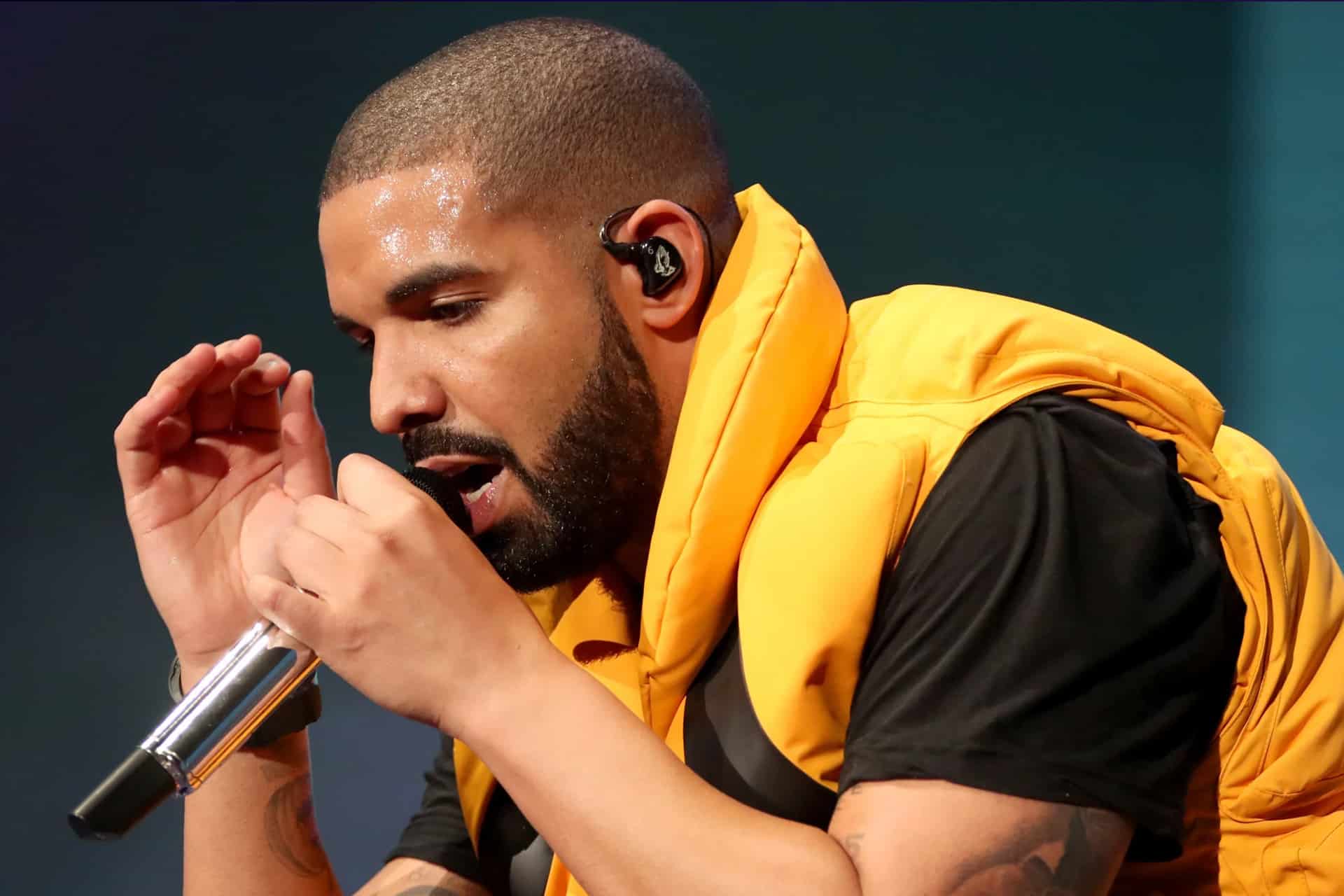
Drake’s Apple Music Dominance
Drake’s position at No. 1 is not surprising. His career has overlapped almost perfectly with the streaming era, and Apple Music has been one of the platforms where his catalog has performed especially well. Since Apple Music launched in June 2015, Drake has released a long run of projects designed for high replay value, playlist placement, and constant chart presence.
That catalog depth matters. Streaming rewards volume and repeat listening. An artist with many commercially active albums, collaborations, singles, deluxe editions, and guest appearances can accumulate enormous totals over time. Drake’s success on Apple Music is tied not only to individual hits, but to the scale and frequency of his releases.
His presence also reflects Apple Music’s early cultural positioning. When the service launched, it leaned heavily on hip-hop, R&B, Beats 1 radio, artist exclusives, curated playlists, and a closer relationship with tastemakers than a purely algorithmic streaming pitch. Drake was central to that era. His projects, radio appearances, and streaming performance helped define Apple Music’s first phase.
The No. 1 ranking also arrives after years of Drake maintaining a strong position on streaming charts even when his critical reception has become more mixed. Streaming success is not always the same as consensus acclaim. It can measure habit, fandom, volume, playlist behavior, collaboration networks, regional strength, and the ability to remain present across many listening contexts.
That distinction is essential when reading a list like this. Apple Music’s all-time chart is not saying Drake is the “best” artist of the platform era. It is saying that, by Apple Music’s own streaming totals, no artist has generated more listening on the service.

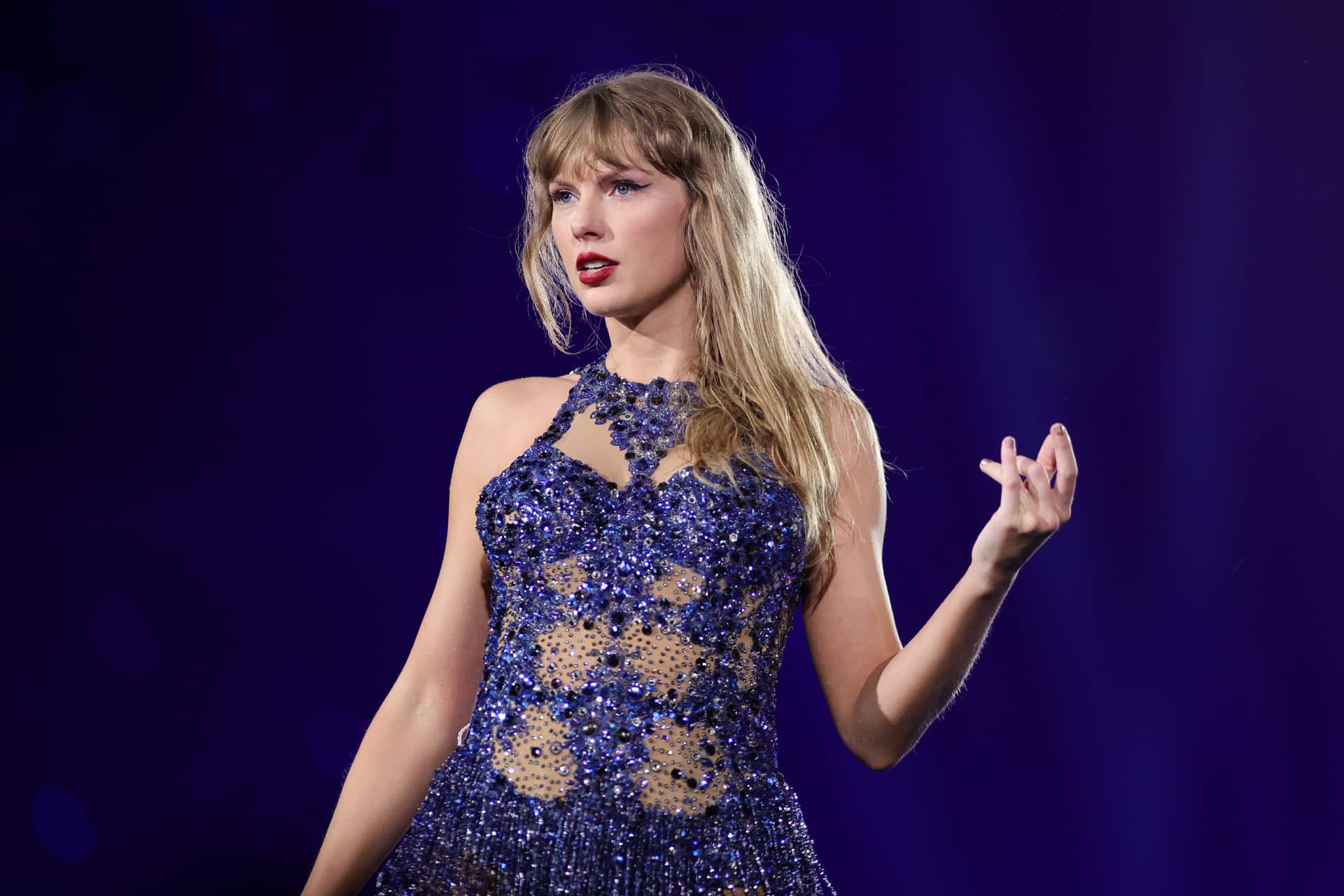
Taylor Swift at No. 2 Shows Catalog Power
Taylor Swift’s second-place ranking is equally significant because her relationship with Apple Music began with a public dispute before the service even launched. In 2015, Swift criticized Apple’s initial plan not to pay artists during the service’s three-month free trial. Apple reversed the policy quickly, and Swift later made 1989 available on Apple Music.
That early conflict now sits in contrast with her place near the top of the platform’s all-time ranking. Swift is the highest-ranked female artist on the list and one of only a few non-rap acts in the top 10. Her position reflects the unusual combination of catalog loyalty, re-recorded albums, long album cycles, fan-driven streaming, and mainstream pop reach.
Swift’s catalog behaves differently from Drake’s but produces similar long-term power. Her albums are often consumed as complete eras, with fans returning to deep cuts, deluxe tracks, re-recorded versions, live releases, and new editions. Streaming numbers can grow not only from current singles, but from fans revisiting older albums whenever a new release, tour, documentary, controversy, anniversary, or re-recording brings attention back to the catalog.
Her ranking also shows how Apple Music’s platform data cannot be reduced to one genre. Hip-hop dominates the list, but Swift’s presence at No. 2 proves that pop catalog strength can still compete with rap’s streaming volume when the fan base is large, organized, and active across years.
The absence of some other major pop and global acts from the very top is also telling. Apple Music’s top 20 is not identical to the biggest touring artists, the biggest radio artists, or the most talked-about musicians on social media. It reflects sustained streaming inside one service, which can elevate artists with especially strong platform-specific behavior.
Hip-Hop Shapes Apple Music’s First Decade
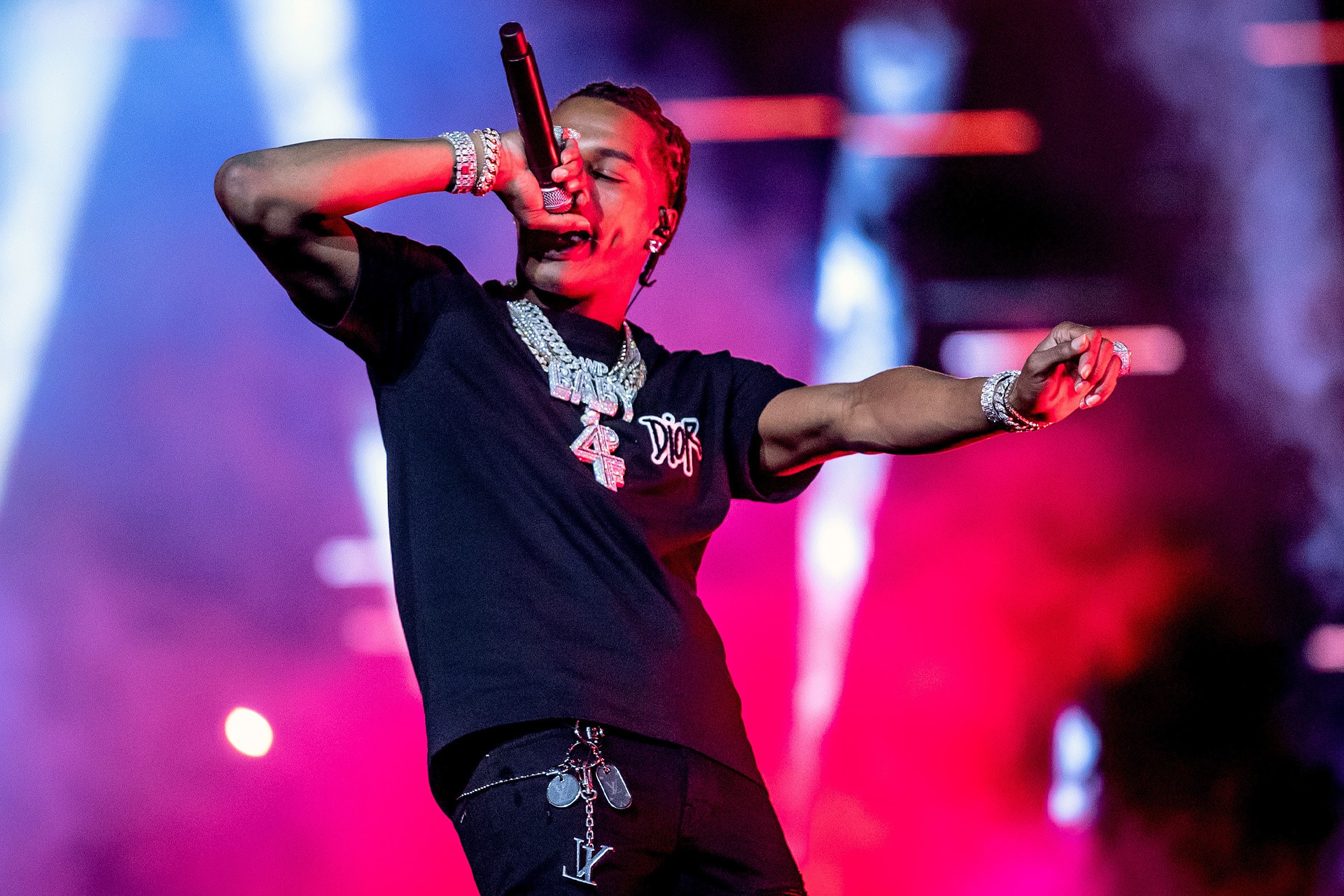
The most obvious pattern is the weight of hip-hop. Drake, Future, YoungBoy Never Broke Again, Lil Baby, Kanye West, Travis Scott, Kendrick Lamar, Lil Durk, Gunna, Rod Wave, and Eminem make up more than half the list, even before considering artists who move between rap, R&B, pop, and other categories.
That dominance fits Apple Music’s history. From the beginning, the service had a close relationship with hip-hop and R&B listening culture. Beats, curated radio, major artist interviews, playlist ecosystems, and early exclusives helped shape the app’s identity. Apple Music did not become only a hip-hop platform, but hip-hop became one of its strongest lanes.
Streaming also changed how rap success is measured. In the CD era, album sales created a different kind of snapshot. In the download era, single purchases mattered. In the streaming era, listening can accumulate across full albums, features, playlists, and repeated plays. Rap artists with frequent releases and collaboration-heavy catalogs can build large totals quickly.
YoungBoy Never Broke Again at No. 4 may be the most revealing example. His placement above Bad Bunny, The Weeknd, Morgan Wallen, Kanye West, and Post Malone underlines the difference between streaming behavior and mainstream media coverage. YoungBoy’s fan base has long been intensely active on streaming platforms, even if his visibility in traditional entertainment coverage has not always matched that scale.
Future at No. 3 also makes sense in this context. His solo catalog, collaborative projects, features, and influence across trap and melodic rap give him a large Apple Music footprint. Like Drake, he benefits from both volume and repeat listening, two factors that streaming charts capture better than older sales models.
The list also includes regional and genre signals beyond hip-hop. Bad Bunny’s No. 5 ranking reflects the rise of Latin music in global streaming, while Morgan Wallen’s No. 8 placement shows how country has become far more competitive on streaming platforms than it was during the early years of the format. Ed Sheeran, Justin Bieber, Ariana Grande, The Weeknd, and Post Malone show pop’s continued strength, even in a ranking where rap clearly leads.
What Apple Gains From Sharing the List
Apple is selective with platform data. Unlike Spotify, which often turns usage statistics into public-facing campaigns, Apple has historically been more reserved. Apple Music Replay gives individual users their annual listening summaries, and Apple publishes charts and editorial playlists, but the company does not routinely disclose deep all-time streaming totals.
That makes this list a useful piece of platform positioning. Apple Music is not only saying which artists are most streamed. It is reminding the industry that the service has more than a decade of listening history and enough scale to produce its own meaningful all-time rankings.
The timing also fits Apple Music’s broader anniversary cycle. Apple Music launched on June 30, 2015, and Apple marked the service’s first decade with a 500-song playlist of its most-streamed tracks. An all-time artist ranking extends that anniversary framing from songs to careers. It gives fans something to debate, artists something to share, and Apple Music a way to reenter the streaming conversation without announcing a new feature.
There is also a competitive angle. Streaming platforms are measured not only by subscriber counts and price, but by cultural relevance. Spotify has Wrapped. YouTube has music videos and massive free access. TikTok influences discovery. Apple Music relies more on premium positioning, sound quality, editorial curation, radio, ecosystem integration, and artist relationships. Sharing all-time artist data gives Apple Music another cultural moment.
The move is also low-risk. Apple did not need to reveal exact stream totals, revenue figures, subscriber behavior, or demographic breakdowns. The company could generate conversation with a ranked list while keeping the underlying data private. That gives the public enough to discuss without giving competitors a full view of Apple Music’s internal metrics.
What the Ranking Does Not Tell Us
The list is useful, but it is incomplete by design. Apple and Chart Data did not publish exact stream counts, country breakdowns, time periods by year, methodology details, or rules for how collaborations are credited. Those omissions matter.
A feature-heavy artist may benefit from how streams are counted across lead and guest appearances, depending on Apple’s internal method. Catalog availability can affect totals. Regional listening can change rankings. Remixes, deluxe editions, clean versions, re-recordings, and compilation appearances can complicate accounting. Without the full methodology, the list should be treated as a platform ranking rather than a transparent industry audit.
The list also does not compare Apple Music with Spotify, YouTube Music, Amazon Music, Tencent Music, radio, downloads, physical sales, touring, social platforms, or total global consumption. An artist who ranks lower on Apple Music may still be larger in another market or format. Another artist may dominate Spotify but rank differently on Apple Music because the subscriber base and listening habits are not the same.
That difference is one reason the ranking is interesting. Apple Music has its own profile. It is a paid service with a strong U.S. presence, deep integration into iPhone, iPad, Mac, Apple Watch, CarPlay, HomePod, and Apple One, and a long editorial history in hip-hop and R&B. Its all-time list reflects that environment.
There is also a generational lens. Many legacy artists are absent because Apple Music launched in 2015, long after their peak commercial periods. The service’s all-time ranking favors artists whose biggest streaming years happened inside Apple Music’s lifetime. That is why the list feels modern even when it includes established acts such as Eminem, Kanye West, Justin Bieber, and Chris Brown.
The ranking also rewards artists with catalogs that people stream repeatedly rather than only artists with isolated mega-hits. Apple’s own 500 most-streamed songs playlist offers a track-level view, but the artist ranking captures accumulated behavior across entire discographies. That can produce different results than a list based on the biggest individual songs.

Apple Music’s Place in the Streaming Era
Apple Music entered the market after Spotify had already shaped much of the streaming habit. Apple’s advantage was different. It had hundreds of millions of iPhones, an existing iTunes customer base, a global brand, music industry relationships, and control over the default music experience across its devices.
Over time, Apple Music became less about catching Spotify feature for feature and more about building its own identity. Lossless audio, Spatial Audio with Dolby Atmos, Apple Music Classical, radio programming, lyrics, music videos, CarPlay integration, Apple Watch downloads, HomePod playback, and Replay have all added layers to the service.
The all-time artist list fits that identity because it points back to the artists who carried the service’s listening culture. Drake at No. 1 highlights Apple Music’s hip-hop strength. Taylor Swift at No. 2 highlights catalog power and pop loyalty. Bad Bunny’s top-five placement reflects the global reach of Latin music. Morgan Wallen’s presence shows country’s streaming expansion. The Weeknd, Ariana Grande, Ed Sheeran, Justin Bieber, and Post Malone show the long life of pop in streaming.
The list also highlights how artist success on streaming platforms is rarely one-dimensional. Release frequency, playlist strategy, fan loyalty, catalog depth, collaborations, regional strength, controversy, touring cycles, and platform relationships all play a role. An all-time streaming ranking is the result of years of repeated listening, not one chart week.
Apple Music’s decision to share the list does not change the service overnight, but it gives a rare public view of what has lasted inside Apple’s music ecosystem. The ranking is less a celebration of one artist than a map of the platform’s first decade: rap at the center, pop still powerful, Latin music rising, country more visible, and catalog depth turning into long-term streaming weight.
The Full Top 20 List Is:
- Drake
- Taylor Swift
- Future
- YoungBoy Never Broke Again
- Bad Bunny
- Lil Baby
- The Weeknd
- Morgan Wallen
- Kanye West
- Post Malone
- Travis Scott
- Ariana Grande
- Chris Brown
- Kendrick Lamar
- Lil Durk
- Gunna
- Rod Wave
- Ed Sheeran
- Justin Bieber
- Eminem