
Apple News bias has become a topic of regulatory attention after U.S. Federal Trade Commission officials urged Apple leadership to examine claims that the platform’s editorial curation may favor certain political viewpoints over others.
The request follows research suggesting that some right-leaning outlets appeared less frequently in featured placements within Apple News feeds compared with other publications, prompting a broader discussion about how large content platforms manage editorial decisions.
Regulatory Attention and Platform Responsibility
Apple News operates as a hybrid distribution environment combining algorithmic recommendations with human editorial selections. Featured stories, curated collections, and special topic pages are often assembled by editorial teams, while recommendation systems personalize additional articles based on reading behavior, topic interests, and regional relevance.
Because of this dual structure, questions about neutrality often center on whether editorial selections accurately reflect the full diversity of participating publishers.
FTC Chair Andrew Ferguson indicated that the agency is reviewing whether any curation practices could raise issues under consumer-protection frameworks, particularly if platform rules are applied inconsistently across publishers.
Regulators emphasized that the review request does not represent a formal enforcement action but rather a request for internal evaluation to ensure compliance with stated platform policies and marketplace fairness expectations.
Digital distribution platforms have faced similar scrutiny in recent years as policymakers examine how ranking systems, recommendation models, and editorial promotion influence public access to information.
News aggregation services occupy a complex position in this environment because they are neither traditional publishers nor purely neutral infrastructure providers, often combining automated systems with editorial oversight.

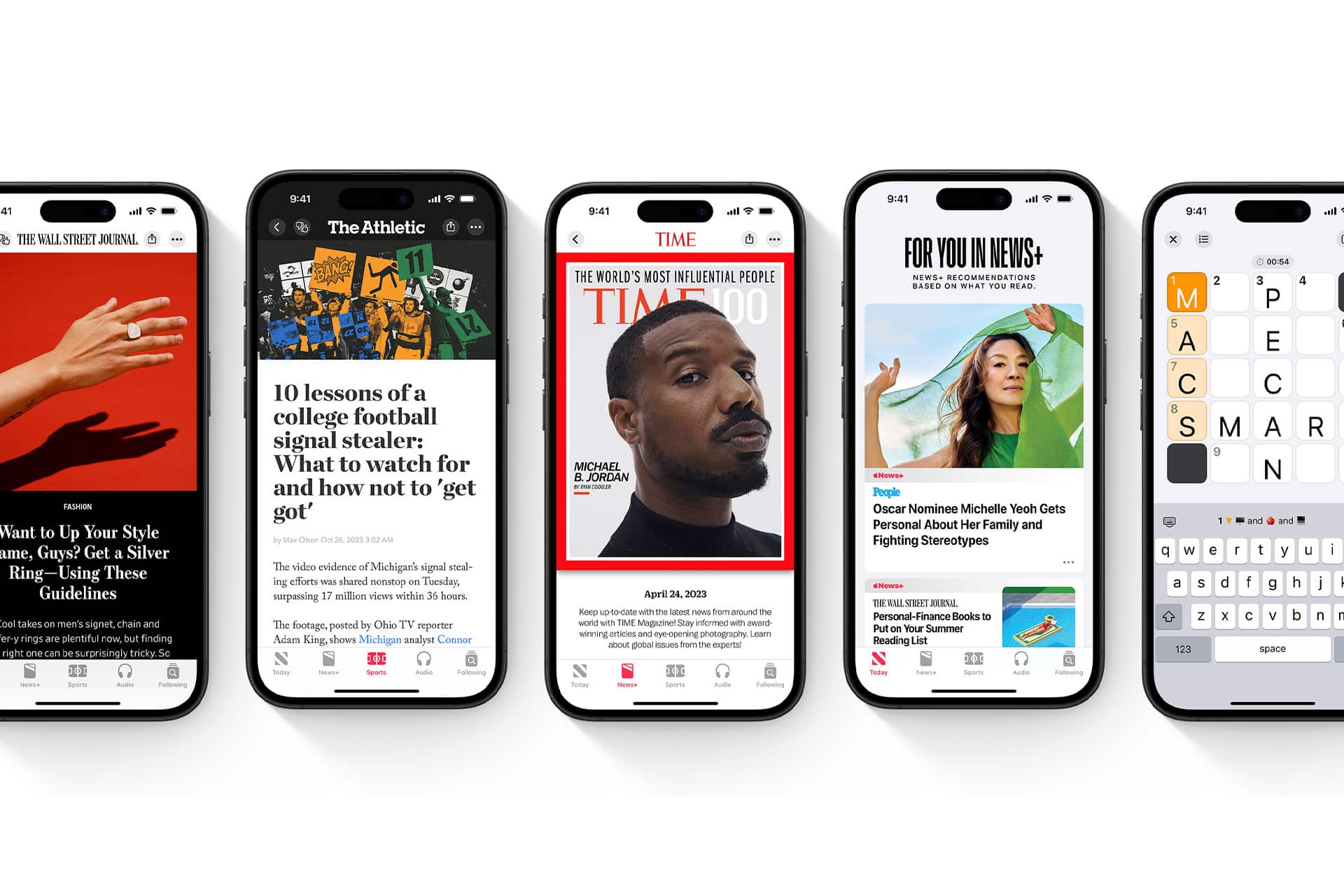
How Apple News Content Selection Works
Apple News integrates content from thousands of publishers across multiple countries, presenting stories through several different mechanisms. Some content appears through algorithmic personalization, while other articles are highlighted in editorial collections designed to surface major global events, investigative reporting, or regional developments. The company has historically stated that editorial selections are based on journalistic quality, relevance, and reader interest rather than political alignment.
Publishers participating in Apple News agree to platform guidelines that define eligibility for featured placements, advertising participation, and subscription offerings.
Visibility within the app may therefore depend on a range of factors including publication frequency, editorial quality metrics, engagement performance, and technical integration with Apple’s publishing tools. Because many of these factors operate behind the scenes, debates around platform neutrality often focus on the degree of transparency available to participating publishers.
The current discussion has also renewed attention on the broader structure of modern news distribution, where readers increasingly encounter journalism through curated feeds rather than direct homepage visits. In these environments, editorial placement decisions can influence which stories receive broader exposure, making platform governance policies a recurring subject of public discussion.

Industry Context and Publisher Concerns
Concerns about news-platform bias are not unique to Apple. Search engines, social media feeds, and aggregation apps across the technology sector regularly face similar scrutiny as governments and academic researchers study how algorithmic and editorial ranking systems affect information discovery.
Several technology companies have responded by publishing transparency reports, expanding publisher appeals processes, or providing clearer documentation describing how featured placements are determined.
Within the Apple News ecosystem, participating publishers retain direct distribution through their own websites, subscription apps, and newsletters while also using the Apple platform as an additional discovery channel. For many organizations, featured placements can significantly increase readership, making curation policies an important operational consideration. As a result, publishers frequently advocate for greater visibility into ranking systems and clearer communication regarding editorial selection criteria.
Apple has not indicated any immediate changes to the Apple News editorial framework but has acknowledged ongoing dialogue with regulators and publishing partners regarding platform governance practices.
Technology platforms across the industry are increasingly formalizing internal review mechanisms to address similar concerns, including publisher feedback channels and content-selection audits designed to evaluate whether editorial guidelines are being applied consistently across participating outlets.
The regulatory inquiry arrives at a time when digital news distribution continues shifting toward multi-platform ecosystems in which mobile apps, subscription bundles, and personalized recommendation systems play a central role in how audiences access journalism. As readership patterns continue evolving, the structure of editorial curation inside major news platforms is likely to remain a recurring area of oversight and policy discussion.