When I opened my restaurant, I didn’t think payment systems would become one of the most important decisions I’d make. I cared about flavors, about music in the background, about the way sunlight hits the tables in the late afternoon. But once we were operating at full speed, I realized that checkout shapes the entire experience. The way people pay can either keep the energy flowing or create tension in seconds.
We started with a traditional card terminal and a separate register. It worked, technically. But during busy nights, it felt like the weak link. The line would build. The machine would hesitate. Someone’s card wouldn’t read. Staff would restart the device while guests waited. It wasn’t dramatic, but it chipped away at the atmosphere we were trying to create.
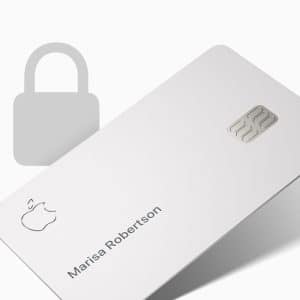
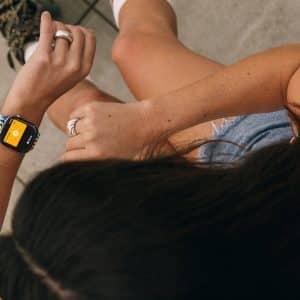
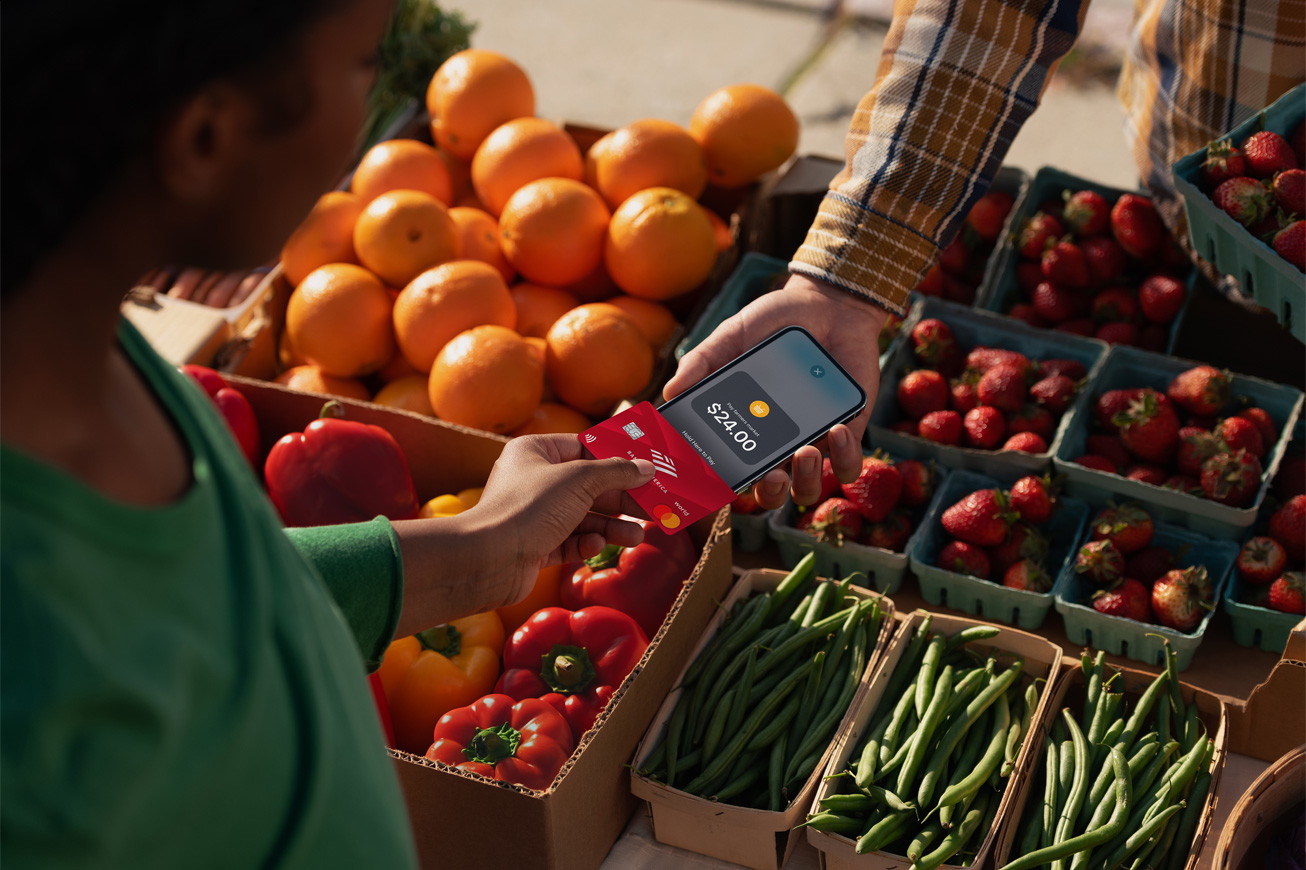
Switching to Apple Pay was less about modern branding and more about removing friction. Customers tap their iPhone or Apple Watch, authenticate with Face ID or Touch ID, and the payment is complete. The transaction happens almost at the same speed as unlocking a phone. That natural motion changed the tempo at the counter. People don’t fumble with wallets as often. There’s less delay, less awkward waiting.

How Apple Pay Changed Our Front Counter
Once Apple Pay became part of our checkout, the difference showed up quickly. Lines moved faster, especially during lunch rush. Tourists didn’t need to ask whether we accepted their specific card brand. Regulars who already lived inside the Apple ecosystem paid in one smooth step.
The visual side also matters. A guest tapping an iPhone to pay is quick and clean. No printed carbon copies. No signature slips sliding around the counter. Digital receipts go straight to email or Wallet. Fewer paper rolls to replace. Less clutter.
For staff, the simplicity matters even more. Instead of explaining a complicated terminal, we train new team members on an iPad interface that feels familiar from day one. Most of them already use iPhones daily. That familiarity reduces mistakes. It shortens training time. It builds confidence during peak hours.
iPad Ordering and Kitchen Flow
The iPad didn’t just replace the register. It reorganized the way orders move through the restaurant. Orders entered at the counter go straight to the kitchen display. No paper tickets clipped on a rail. No misread handwriting. If we update a price or remove an item that sold out, the change reflects immediately across every screen.
That synchronization saves time. It also reduces tension between front-of-house and kitchen staff. When systems are aligned, conversations become clearer. Fewer “Did you get this order?” moments. Fewer lost tickets. It’s a cleaner workflow.
We also started using Tap to Pay on iPhone during busy evenings. Instead of bringing a separate payment terminal to the table, servers can accept contactless payments directly on an iPhone. That flexibility matters when every second counts. If a table is ready to leave, we don’t delay them while searching for hardware.
Behind the Scenes: Reports, Security, and Trust
Closing time used to mean stacks of receipts and manual reconciliation. Now, sales summaries, payment breakdowns, and tip tracking are already organized inside the system. I can review the day’s performance on my iPhone before leaving the building. It doesn’t eliminate the responsibility of running a business, but it removes unnecessary steps.
Security became a stronger foundation too. Apple Pay uses tokenization, so actual card numbers aren’t stored or transmitted to us. That lowers exposure and simplifies compliance concerns. Fewer sensitive details moving through our systems means fewer risks.
Tips are integrated clearly into the interface. Staff can see totals accurately at the end of a shift. There’s less guesswork. Less confusion. Transparency helps morale.
The biggest change isn’t technical. It’s emotional. During rush hours, when payments move smoothly, the room stays focused on food and conversation instead of delays. The checkout process fades into the background. That’s where it belongs.
Apple Pay at my restaurant isn’t about looking futuristic. It’s about building a reliable backbone for everyday operations. The kitchen still runs on skill. The recipes still matter most. But when payments, reporting, and ordering systems work in sync, the business side stops interrupting the experience we’re trying to create.
And in a small restaurant, that difference shows up every single day.