

Apple has spent years using its scale to soften the effect of volatile component markets, tariffs, currency swings, and supply chain disruption. That approach is now being tested by one of the least visible parts of every iPhone, Mac, and iPad: memory.
CEO Tim Cook told The Wall Street Journal, according to Reuters, that Apple plans to raise prices on products to offset rising memory and storage chip costs. Cook did not say which devices will be affected first, when the changes will happen, or how large the increases may be. His comments shift the topic from analyst speculation to an Apple-level pricing issue at a time when the global memory market is being pulled toward AI servers.
That places Apple in a difficult position before its next major hardware cycle. iPhone, iPad, Mac, Apple Watch, Vision Pro, Apple TV, and other devices all depend on memory and storage. Even when Apple designs its own processors, it still buys memory and storage components from outside suppliers. If those parts become more expensive, Apple has only a few choices: absorb the cost, redesign products around lower configurations, pressure suppliers, accept lower margins, or raise prices.
Cook’s comments suggest the company has reached the limit of how much it wants to absorb.
AI Servers Are Eating the Memory Market
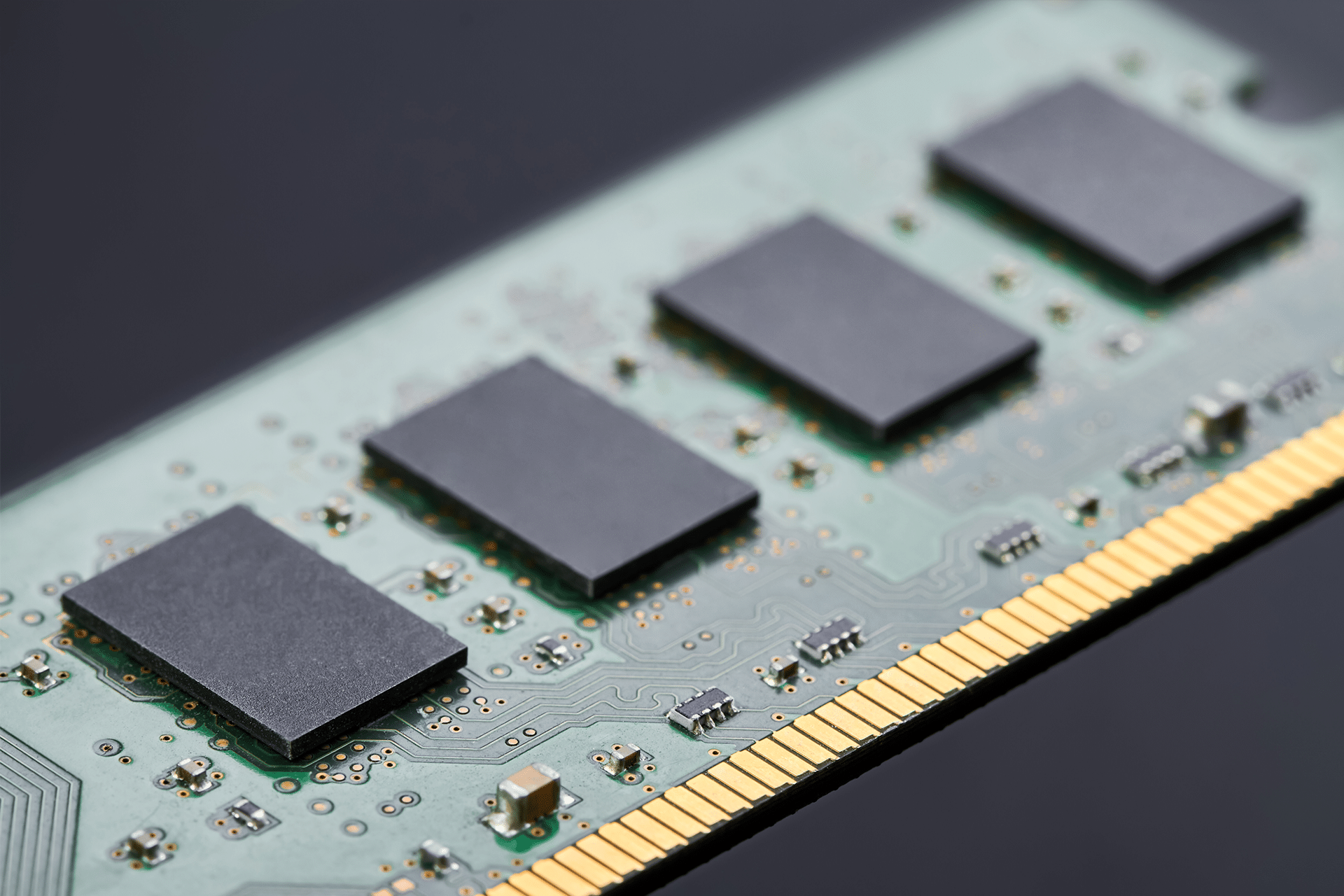
The memory crunch is being driven by the AI boom. Data-center operators need enormous amounts of memory to train and run large AI models. High-bandwidth memory is especially valuable for AI servers because it helps feed data to powerful accelerators quickly.
That demand has changed the economics of the memory business. Suppliers can allocate more production toward AI-focused customers willing to pay higher prices. Consumer electronics companies then compete for less available supply in DRAM and NAND markets that were already tight.
This affects Apple directly. iPhone uses DRAM to keep apps, system processes, camera tools, games, and AI features running smoothly. It uses NAND storage for photos, videos, apps, downloads, system files, ProRes recordings, spatial video, offline music, documents, and backups. Mac and iPad also need large amounts of memory and storage, especially as Apple Intelligence and local AI features become more demanding.
Apple may be one of the most powerful buyers in consumer technology, but it cannot ignore a market where AI servers are pulling so much capacity.

iPhone Could Feel the Pressure First
The iPhone is the product most people will watch. Apple’s September launch cycle is the company’s highest-profile pricing moment, and any increase on iPhone 18 models would be noticed immediately.
The pressure may be especially strong on Pro models. Pro iPhones use more advanced camera systems, larger storage options, more memory, and more expensive components. If Apple also expands Apple Intelligence and Siri AI features that require stronger local processing, the need for more memory becomes even harder to avoid.
The Wall Street Journal cited TechInsights estimating that passing higher memory and storage costs through while preserving margin could add about $270 to the next iPhone Pro model. That does not mean Apple will raise the price by that exact amount. Apple may adjust storage tiers, regional pricing, trade-in offers, carrier promotions, financing, or configuration strategy instead. But it shows the size of the pressure.
Apple has often preferred to protect headline pricing when possible. It can shift customers toward higher storage tiers, adjust base configurations, or absorb part of the cost. Cook’s comments suggest those tools may no longer be enough.
Mac and iPad May See Faster Moves
Mac and iPad could see price adjustments before or alongside iPhone because they rely heavily on memory and storage configurations.
Mac pricing is especially sensitive to memory. Apple Silicon Macs use unified memory, which is integrated closely with the chip architecture and affects performance across CPU, GPU, Neural Engine, and media workflows. More memory is valuable for professional apps, coding, video editing, AI tools, photography, design, and multitasking.
If DRAM costs remain high, Apple’s Mac upgrade pricing may come under more scrutiny. The company already charges premium prices for memory and storage upgrades, and users often criticize the jump from base configurations to higher tiers. A memory-driven price increase could make those complaints louder.
iPad sits between iPhone and Mac. Entry-level iPads need aggressive pricing, but iPad Pro and iPad Air models increasingly act like portable computers. They need more memory, more storage, and stronger chips to support Apple Intelligence, multitasking, creative apps, and long software support. Apple may be more willing to adjust prices on higher-end iPads than on the entry model.
The Price Story Is Not Only About Apple
Apple is not alone. The memory shortage is hitting PCs, smartphones, gaming devices, cars, servers, and other electronics. Reuters reported earlier this year that Samsung and SK Hynix warned of squeezed chip supplies as AI demand pulled memory production toward data-center customers.
That means Apple’s price increases may arrive in a market where other brands are also raising prices. The company may take less damage if consumers see similar pressure across laptops, phones, tablets, and gaming hardware.
Apple still faces a unique challenge because its products already sit at premium price points. A higher iPhone or Mac price can become a headline quickly, especially when consumers are sensitive to inflation, subscription costs, and upgrade fatigue.
The company will need to explain the change carefully. Cook’s comments do some of that work by putting the blame on supplier costs rather than product strategy. But customers usually care less about component markets than the final price on the shelf.
Apple May Use Its Balance Sheet
Cook also indicated that Apple is willing to use its financial strength to help address supply constraints. The Straits Times reported from the WSJ interview that Cook said Apple is willing to use its balance sheet to be part of the solution, while also saying more capacity is needed.
That could mean several things. Apple could support long-term supply agreements, prepay for capacity, invest in supplier expansion, secure priority allocations, or help finance production commitments. Apple has used similar supply-chain tactics before when critical components were scarce or strategic.
The company is unlikely to build its own memory factories. Memory manufacturing requires enormous capital, specialized expertise, and industry cycles very different from Apple’s core business. Apple designs chips, devices, software, and services. It does not want to become a DRAM or NAND manufacturer.
But Apple can use cash, purchasing scale, and long-term commitments to improve its position. That may not stop near-term price hikes, but it could help stabilize future supply.
China Supply Question Adds Another Layer
Cook’s comments also touched a sensitive supply-chain question: whether U.S. restrictions should be loosened enough to allow American companies to work with Chinese memory suppliers.
The Wall Street Journal reported that when asked about that possibility, Cook said “everything needs to be on the table” and that Apple should look at all supply. That is a careful answer, but it shows how serious the shortage has become.
Memory supply is not only a business issue. It is tied to national-security policy, U.S.-China tensions, export controls, technology restrictions, and government efforts to build domestic semiconductor capacity. Apple operates in the middle of those forces.
The company wants reliable, affordable supply. Governments want secure supply chains and strategic control over advanced technology. Memory shortages force those goals into conflict.
Apple can call for more supply, but it cannot unilaterally change trade rules. That makes the pricing problem harder to solve quickly.
The Base Storage Question Returns
A memory and storage crunch could revive an old Apple debate: base configurations.
Customers have long criticized Apple for conservative base storage or memory on some devices. A Mac or iPhone may feel affordable at the starting price, but the configuration many users actually want can cost much more.
If component prices rise, Apple may become even more careful with base models. The company could keep lower entry prices by limiting base storage, while charging more for upgrades. It could also raise base prices but offer more storage to make the increase feel justified.
Both approaches carry risk. Low base storage can make devices age poorly, especially as photos, videos, apps, games, AI features, and system files grow. Higher entry prices can slow upgrades and push customers toward older models, refurbished devices, or longer replacement cycles.
Apple’s pricing teams will have to decide where the pain is least visible.
Apple Intelligence Needs More Memory, Not Less
The timing is awkward because Apple is moving deeper into AI just as memory gets more expensive.
Apple Intelligence, Siri AI, on-device models, image editing, voice processing, Visual Intelligence, developer AI tools, and local inference all benefit from more memory. AI features do not only need fast chips. They need enough RAM to hold models, context, app state, and system processes without hurting performance.
That makes memory cuts harder. Apple cannot easily move into a richer AI era while starving devices of memory. The company already limits some Apple Intelligence features to newer hardware. Future features may require even more capable devices.
This creates a pricing problem with no easy answer. Apple wants powerful on-device AI because it supports privacy and performance. Powerful on-device AI needs stronger hardware. Stronger hardware needs more memory. Memory is now more expensive because cloud AI companies are buying so much of it.
AI is raising Apple’s costs from both directions: customers expect more AI features, while AI data centers make the components for those features more expensive.

Margins Are Under Pressure
Apple’s gross margins are one reason investors watch pricing so closely. The company has built a premium hardware business with strong profitability. If component costs rise sharply and Apple does not raise prices, margins can shrink.
That can affect investor expectations, product planning, and Apple’s ability to maintain its current balance between hardware and services. Services revenue helps Apple, but hardware still drives the ecosystem. Every iPhone sold can lead to Apple Music, iCloud+, Apple TV, App Store spending, AppleCare, subscriptions, accessories, and future upgrades.
Apple does not want hardware pricing to slow that flywheel. At the same time, it does not want rising memory costs to eat too deeply into profit.
Cook’s comments suggest Apple has tried to shield customers but sees the current market as unsustainable. That sets up price increases as a financial necessity rather than a simple margin grab.
Customers May Change Upgrade Behavior
Higher prices could change how customers buy Apple products.
Some may upgrade sooner before new pricing takes effect. Others may hold onto current devices longer. Some may choose lower storage tiers. Some may buy refurbished products. Some may wait for carrier deals, education discounts, seasonal promotions, or trade-in offers.
Apple will likely use financing and trade-ins to soften the impact. Monthly payments can make a higher price feel less abrupt. Trade-in credits can reduce the visible upgrade cost. Carrier promotions can hide price increases inside long-term service agreements.
Still, higher prices are higher prices. A $100 or $200 increase can change buying decisions, especially for families buying multiple devices or professionals upgrading several Macs.
Apple’s challenge is to raise prices without making customers feel punished for a supply-chain problem they did not create.
A Supply Crunch With No Quick Fix
Memory shortages usually take time to solve. Building new capacity is expensive and slow. Suppliers need to decide where demand will be strongest years in advance. If AI demand keeps growing, memory makers may continue prioritizing high-margin data-center products.
TechInsights told the WSJ that memory and storage prices have quadrupled since last year and may continue rising into 2027. If that proves accurate, Apple’s pricing pressure may last longer than one product cycle.
That means Apple’s September pricing may be only the first visible step. Mac, iPad, and other product lines could follow as component contracts roll over and inventory buffers run down.
The most likely outcome is not a single dramatic increase across everything at once. Apple may adjust by product category, region, configuration, and launch timing. Some increases may appear as higher base prices. Others may appear as more expensive upgrades or fewer discounts.
Apple’s Premium Era Gets More Expensive
Apple has spent years convincing customers that its devices are worth premium pricing because they last longer, receive years of software support, run powerful custom chips, protect privacy, and work tightly across the ecosystem.
The memory crunch tests that argument. If prices rise, Apple will need the products to feel worth the increase. Better cameras, longer battery life, stronger Apple Intelligence features, faster chips, improved displays, and longer support will all help. But component inflation is not the same as a feature upgrade. Customers may not feel they are getting more just because memory costs more.
That is why Cook’s warning matters. It prepares the market before new prices appear. Apple rarely talks this directly about raising prices unless the cost pressure is significant.
The company can manage the message, but it cannot make the memory market disappear. AI servers have changed the supply equation, and Apple’s devices are now competing against the infrastructure behind the AI boom.
For customers, the practical takeaway is simple: the next Apple upgrade cycle may cost more, and memory is the reason.