For years, fixing an Apple device meant visiting an Apple Store or an authorized repair provider, handing over the device, and waiting for the return. That system created consistency, but it also defined the company’s reputation as tightly controlling the repair process. Over time, expectations changed. Devices became more central to everyday life, repair awareness grew, and discussions about ownership rights gained momentum across several markets. Apple’s repair strategy began shifting quietly, step by step, introducing new programs, broader access to parts, and clearer maintenance pathways.
Early Repair Systems and Controlled Service Models
In the early decades of iPhone and Mac growth, Apple maintained a highly centralized repair ecosystem. Repairs were performed almost exclusively through Apple Stores or certified partners trained under strict technical guidelines. The goal was consistency: ensuring replacement parts met exact specifications and that repairs did not compromise safety, performance, or warranty conditions.
While the model ensured high-quality outcomes, it also meant that independent repair access remained limited. As smartphones and laptops became long-term daily tools, users began expecting more flexibility — quicker repairs, broader service options, and the ability to replace common components such as batteries or displays without lengthy service appointments.

The Arrival of Self-Service Repair Programs
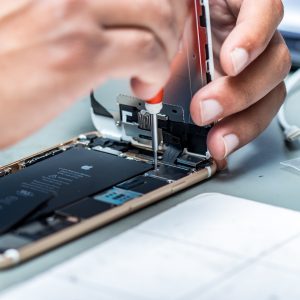
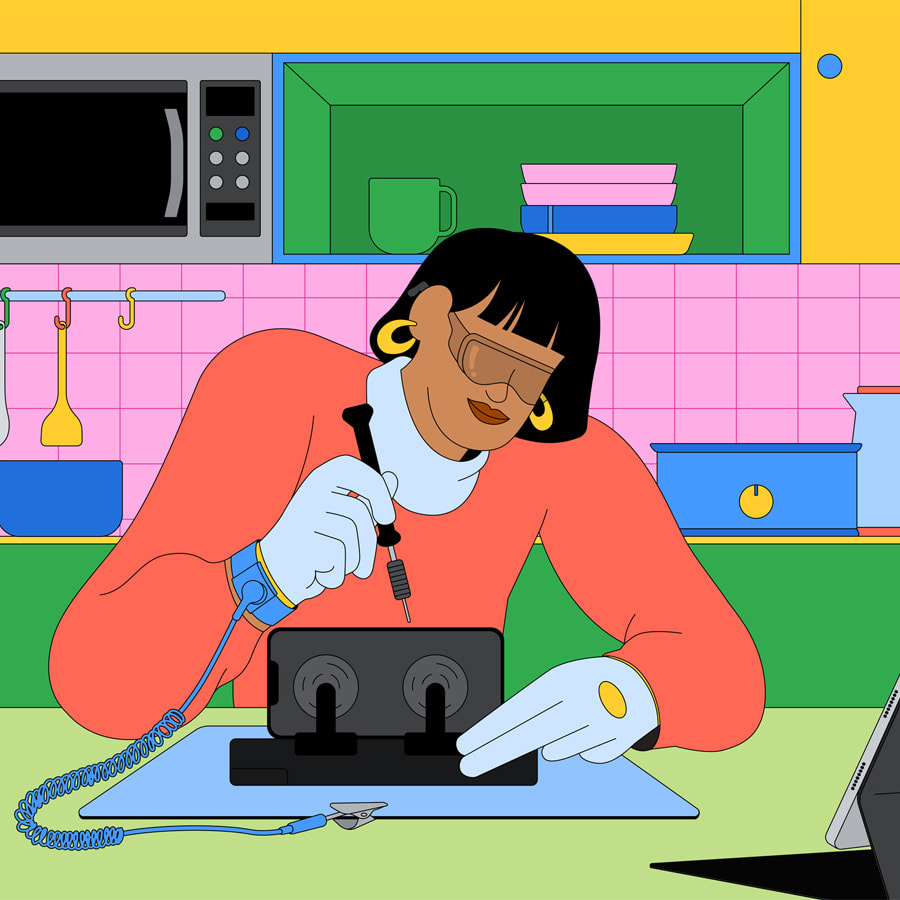
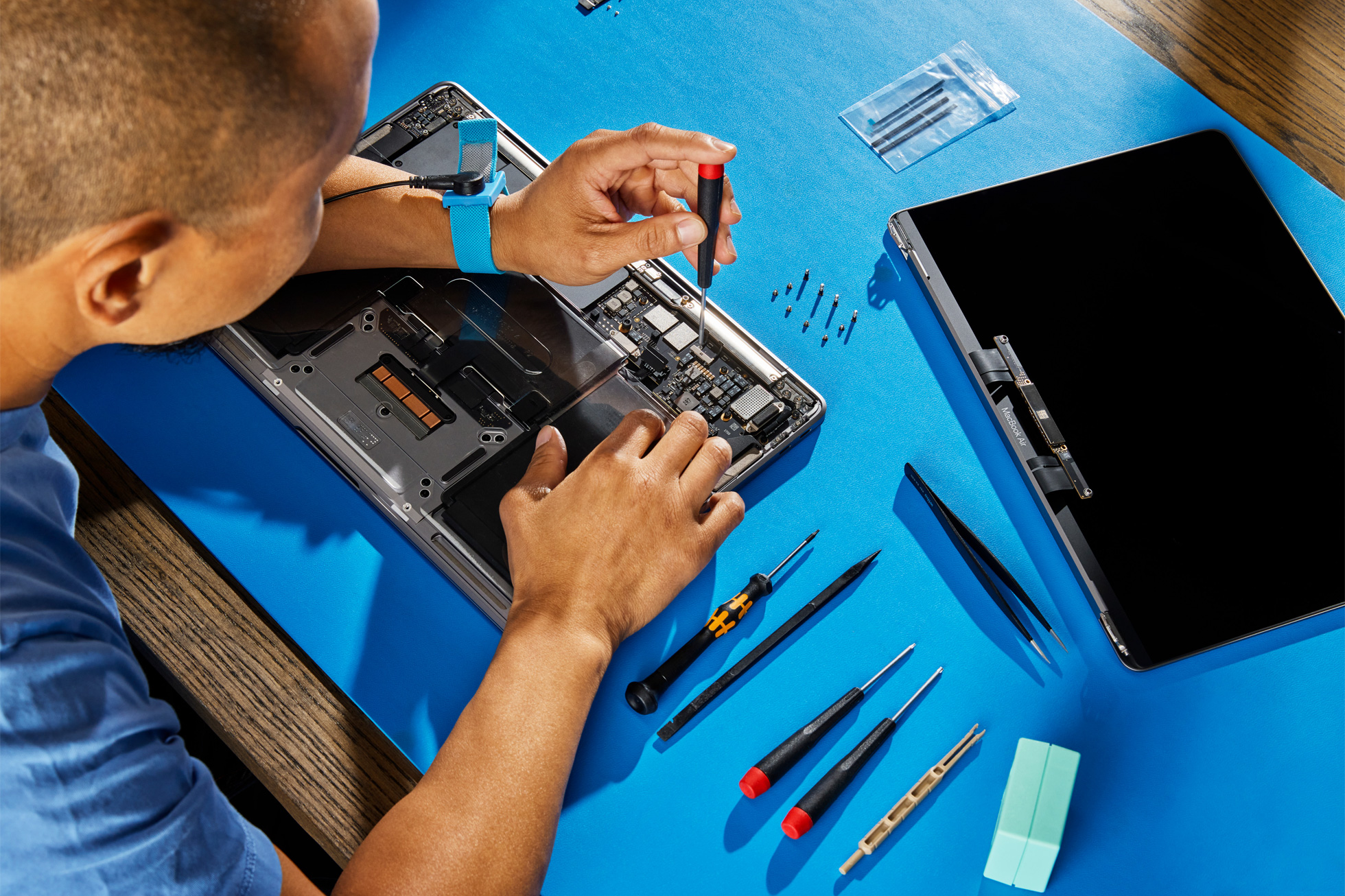
The most visible turning point arrived when Apple launched Self Service Repair, allowing individuals to order official components, tools, and repair manuals directly from Apple. Owners could replace batteries, displays, and other key components using the same parts supplied to authorized service providers. This program marked a notable shift in repair philosophy, acknowledging that some users prefer hands-on maintenance when reliable parts and guidance are available.
The initiative also created a new relationship between Apple and technically skilled customers. Instead of relying entirely on third-party parts or unofficial repair methods, owners gained access to factory-certified components, maintaining device reliability while extending usable life spans.
Repair Expansion Driven by Device Longevity
Modern Apple devices last significantly longer than early smartphone generations. Extended software support, durable hardware construction, and battery replacement programs contribute to this longer lifecycle. As products remain functional for five, seven, or even more years, repair access becomes more important than ever. Battery replacements, keyboard repairs, and display replacements now play a central role in maintaining devices rather than replacing them prematurely.
At the same time, environmental goals also influence repair expansion. Extending product life reduces electronic waste and supports sustainability commitments, making repair programs part of a broader long-term device strategy.
How Regulations Are Shaping Repair Accessibility
Regulatory changes in multiple regions encouraged technology manufacturers to provide clearer repair pathways and broader access to service documentation. Rather than reacting abruptly, Apple gradually adapted, expanding repair programs, publishing parts availability frameworks, and increasing authorized repair coverage in several markets. These developments did not transform the system overnight, but they steadily widened repair access while maintaining quality standards tied to official components and safety requirements.
The introduction of calibration tools and post-repair diagnostics also became part of the process, ensuring repaired devices continue operating at factory performance levels after component replacement.
The Future of Apple Device Maintenance
The repair landscape continues evolving as devices become more modular internally and diagnostic systems grow more automated. Software-based calibration, remote diagnostics, and repair verification tools now accompany hardware replacement processes, allowing devices to confirm component authenticity and restore full functionality after service. These technologies make repairs more reliable while reducing the complexity traditionally associated with component replacements.
Repair accessibility is no longer limited to service counters. Authorized repair networks, mail-in programs, enterprise repair logistics, and self-service options now form a layered ecosystem supporting different user needs. Some owners prefer in-store service, others rely on local authorized technicians, and technically experienced individuals may choose self-service replacement supported by official parts.
Across this gradual transition, the relationship between ownership and maintenance continues to evolve. Devices remain sophisticated engineering systems, yet the pathways to maintain them are broader than they were a decade ago. As product lifecycles extend and software support lasts longer, repair programs increasingly become part of the long-term ownership experience rather than an occasional emergency solution tied only to warranty periods.