


Apple Silicon shift began almost experimentally, when Apple introduced the first M-series chips to Macs. Early adopters quickly noticed that the machines behaved differently from anything that had come before: instant wake, almost silent operation, dramatic battery endurance, and consistent performance even during demanding tasks.
That early moment now reads as the starting point of a long structural transformation across personal computing, one that continues to unfold as each new generation of Apple-designed processors arrives.
Mac users who once compared processor clock speeds and thermal limits now often notice different indicators of performance: how long the system maintains peak speed without throttling, how efficiently it handles multiple creative applications simultaneously, and how smoothly it performs machine-learning tasks locally.
Apple Silicon was designed around these practical realities rather than legacy benchmarking traditions, which explains why many workflows changed almost overnight.
The transition also altered how software developers design applications. Because Apple controls both hardware and operating systems, optimization cycles shortened.
Developers can target a known architecture, predictable GPU structure, and unified memory model, reducing compatibility layers that previously introduced inefficiencies. Over time, this has produced a noticeable shift in application behavior, particularly in professional creative tools, video editing pipelines, and data-analysis workflows.


The Architecture Behind Apple Silicon
At the center of Apple Silicon is the unified memory architecture, which allows the CPU, GPU, and neural engine to share the same high-bandwidth memory pool. Instead of duplicating data across separate processing units, tasks move faster because information is immediately accessible to every core. For workloads such as photo editing, 3D rendering, and real-time video processing, this structure shortens processing time while lowering energy consumption.
Another defining element is the integration of specialized processing blocks. Apple Silicon chips include media engines for encoding and decoding video, neural engines for machine-learning workloads, and high-efficiency cores dedicated to lightweight background operations.
This division of responsibilities helps the system maintain responsiveness even when multiple demanding processes are running simultaneously. Rather than pushing a single processor to handle everything, the chip distributes tasks across purpose-built engines.
As Apple introduced M1, M2, M3, and newer variations, the architecture scaled across laptops, desktops, and professional workstations. Higher-tier chips increased GPU core counts, memory bandwidth, and AI processing capacity while maintaining the same foundational design principles. Consistency allows software improvements to carry forward across generations without requiring major redesigns.


Local AI Processing and Everyday Computing
One of the most significant long-term effects of Apple Silicon lies in local artificial intelligence processing. Tasks that previously depended on remote servers — language processing, image recognition, voice transcription, and contextual search — increasingly run directly on the device. This shift shortens response times and reduces the amount of information transmitted externally during everyday operations.
Local processing also changes how applications behave offline. Photo libraries can organize themselves, search results can appear instantly, and writing or editing tools can suggest improvements without waiting for cloud computation.
Because the neural engine operates continuously alongside the CPU and GPU, these features function as background capabilities rather than separate tasks that interrupt workflow.
Creative environments benefit in particular. Video editors can perform real-time effects previews, photographers can apply advanced filters instantly, and musicians can run complex virtual instrument chains without external processing hardware. The hardware and software layers operate together, allowing sustained performance across long sessions without the thermal spikes that once affected portable machines.
Energy Efficiency and Device Longevity
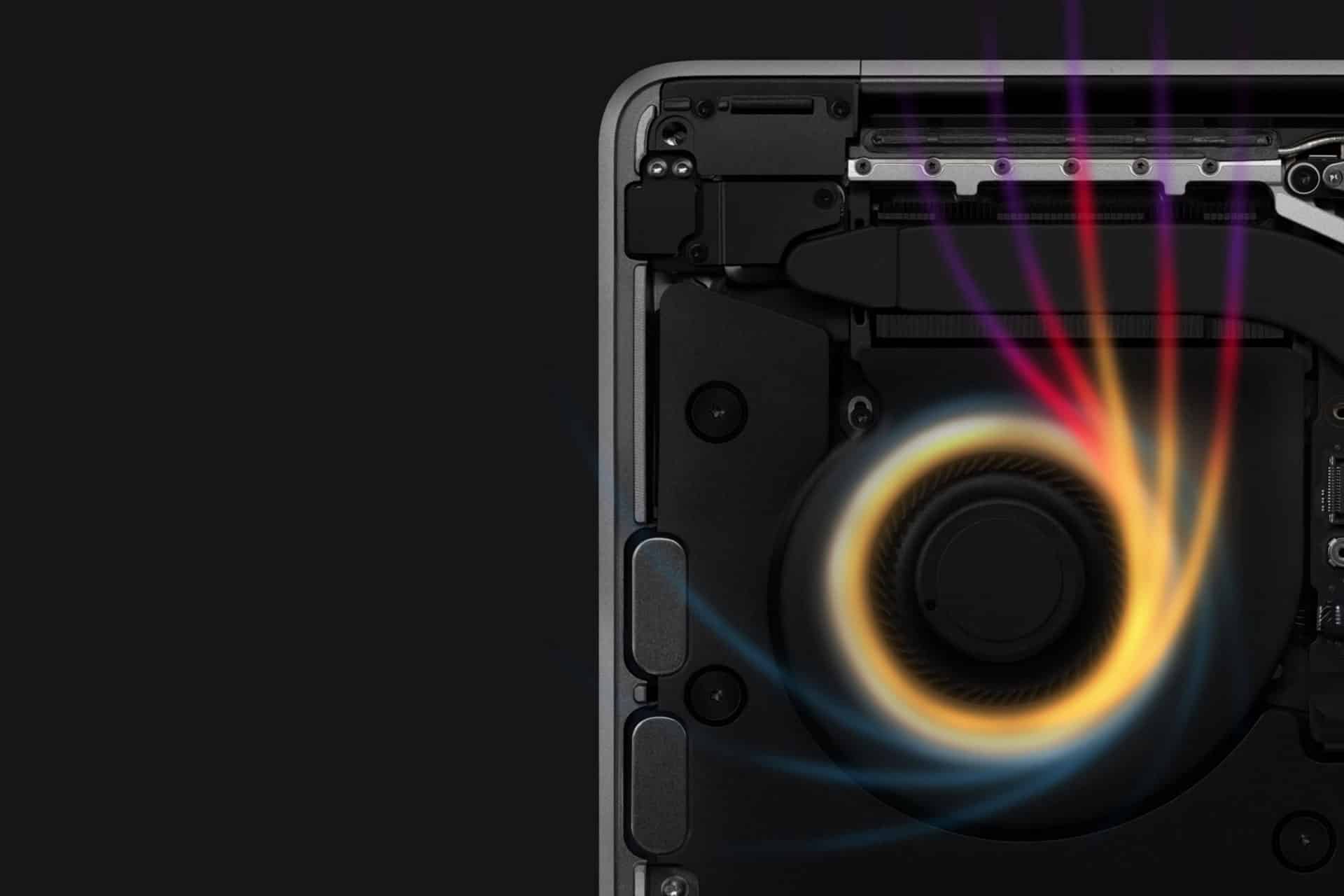
Apple Silicon chips were designed with energy efficiency as a core priority. High-efficiency cores handle lighter workloads, preserving battery life during everyday browsing, messaging, and document editing.
Performance cores activate only when required, such as during rendering, compilation, or simulation tasks. This balance explains why many recent MacBook models maintain long operating times even under mixed workloads.
Lower thermal output also contributes to longer component lifespan.
Systems that operate at cooler temperatures experience less long-term stress on internal components, which can extend device usability over multiple years. As each chip generation refines efficiency, users often notice that newer systems maintain consistent performance even after prolonged usage cycles.
The Road Ahead for Apple Silicon
Future chip generations are expected to expand neural processing capacity, GPU performance, and memory bandwidth while continuing the same integrated design philosophy.
Apple’s silicon roadmap suggests ongoing scaling across portable devices, desktops, and cloud-connected environments, where local processing collaborates with remote infrastructure rather than replacing it entirely.
The result is an ecosystem where hardware, operating systems, and applications evolve together. Instead of adapting to third-party processor timelines, Apple now defines its own development cadence, shaping how personal computing devices handle performance, efficiency, and artificial intelligence workloads over the coming decade.

