

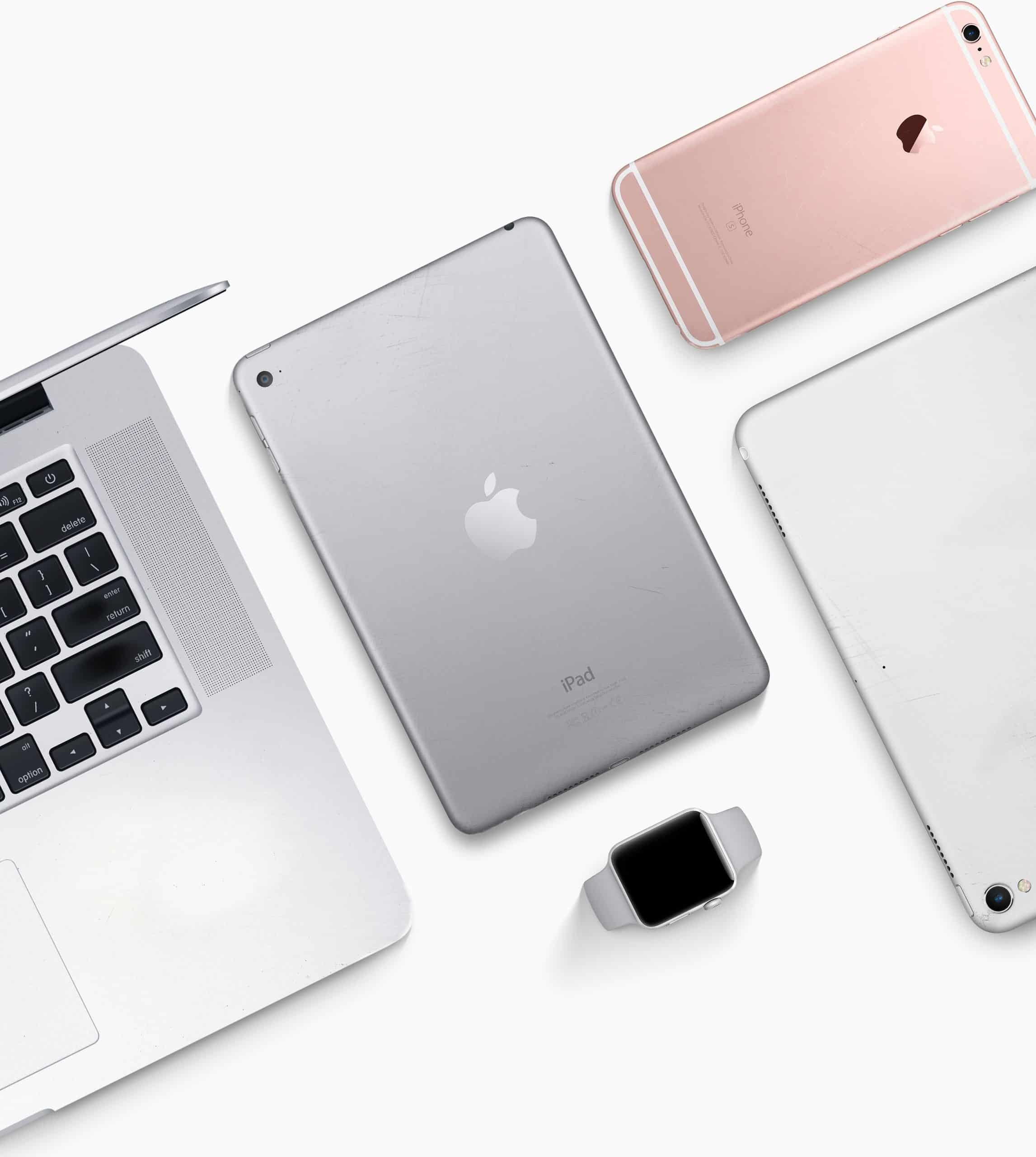
Apple’s fall software cycle is drawing a harder hardware line across the ecosystem. Sixteen Apple devices are being left out of the latest operating-system releases across iPad, Mac, Apple Watch, and Apple TV, with the largest cut hitting Apple Watch.
The shift arrives as Apple moves its platforms toward Siri AI, Apple Intelligence, faster app performance, stronger local processing, and newer chip requirements. iPhone avoids a new compatibility cut this year, but other product lines are not getting the same treatment.
For many users, the affected devices will still work. They can keep running their current software, use existing apps, stream media, browse the web, and handle daily tasks. The difference is that they will not receive the newest platform features arriving this fall. Over time, app support, security coverage, and feature availability will move toward newer hardware.
Apple Watch Sees the Sharpest Cut
Apple Watch is taking the hardest hit. watchOS 27 supports Apple Watch Series 9 and later, Apple Watch Ultra 2 and later, and Apple Watch SE 3.
That leaves out five models that still feel recent in daily use:
- Apple Watch Series 6
- Apple Watch Series 7
- Apple Watch Series 8
- Apple Watch Ultra
- Apple Watch SE 2
The first-generation Apple Watch Ultra will attract the most attention because it was sold as a premium, rugged model and launched in 2022. Apple Watch Series 8 and Apple Watch SE 2 also arrived in 2022, making this a shorter support window than many owners expected.
The change suggests Apple is moving watchOS around newer chips and future AI features. Siri AI, faster local responses, smarter interactions, and more demanding app behavior are harder to support across older watch hardware. Apple Watch has less thermal room, battery capacity, and memory flexibility than iPhone or Mac, so software support can tighten quickly when the platform becomes more ambitious.
That does not make the cut painless. A watch can feel personal in a way a phone or tablet does not. It tracks workouts, sleep, health trends, notifications, payments, timers, alarms, and daily routines. Losing the latest watchOS version can feel like the device aged suddenly, even if the hardware still looks and works well.

iPadOS 27 Leaves Five iPads Behind
iPadOS 27 also raises the floor. Apple’s compatibility list starts with iPad 9th generation, iPad mini 6, iPad Air 4, iPad Pro 11-inch 2nd generation, and iPad Pro 12.9-inch 4th generation, along with newer models.
That leaves out five iPads:
- iPad Air 3
- iPad mini 5
- iPad 8th generation
- iPad Pro 11-inch 1st generation
- iPad Pro 12.9-inch 3rd generation
The iPad Pro cuts may frustrate some users because the 2018 models still feel capable for browsing, reading, writing, drawing, streaming, and general productivity. They were also part of the major iPad Pro redesign that introduced the flat-edge body, USB-C, Face ID, and the second-generation Apple Pencil experience.
The cutoff shows the split between “still useful” and “ready for the next software layer.” iPadOS 27 can run on several A-series iPads, but Apple Intelligence features remain tied to newer hardware, including M-series iPads and iPad mini with A17 Pro. That means compatibility alone does not guarantee the full iPadOS 27 experience.
For owners of older iPads, the practical question is not whether the device stops working. It does not. The real question is whether the missing software features matter enough to justify an upgrade. For basic reading, streaming, note-taking, and web use, many of these iPads can remain useful. For Apple Intelligence, newer multitasking behavior, and future app support, the gap will grow.
macOS 27 Moves Fully to Apple Silicon
macOS 27 Golden Gate completes the Mac’s move away from Intel for the latest operating system. Apple’s compatibility list is now centered on Apple silicon Macs, leaving the remaining Intel models outside the newest macOS release.
Four Macs lose latest-version support:
- MacBook Pro 16-inch 2019
- MacBook Pro 13-inch 2020 with four Thunderbolt 3 ports
- iMac 2020
- Mac Pro 2019
The Mac Pro 2019 is the most symbolic name on the list. It was Apple’s high-end modular Intel workstation, built for professional users and sold at premium prices. It can still handle demanding tasks in the right configuration, but macOS 27 marks the end of its place in Apple’s newest software cycle.
The reason is easy to see. Apple’s Mac future is built around M-series chips, unified memory, Neural Engine performance, Apple Intelligence, battery efficiency, and tighter control between hardware and software. Keeping Intel inside the newest macOS release would add complexity at a time when Apple wants a cleaner foundation for AI-driven features and app performance.
Intel Macs will not disappear overnight. Many will continue working for years in studios, offices, schools, and home setups. But macOS 27 makes Apple silicon the new baseline for Mac software. For developers, businesses, and users who need the newest macOS features, the transition point has arrived.
tvOS 27 Drops Two Apple TV Models
Apple TV also loses two older models with tvOS 27:
- Apple TV HD
- Apple TV 4K 1st generation
Apple TV HD dates back to 2015, so its removal from the newest software cycle is expected. The first-generation Apple TV 4K from 2017 is the more noticeable cutoff because it brought 4K streaming into Apple’s living-room lineup and remains active in many homes.
tvOS 27 now focuses on newer Apple TV 4K hardware. That fits Apple’s direction in the living room, where Apple TV is no longer only a streaming box. It can serve as a smart-home hub, connect with HomeKit Secure Video, support Apple Arcade, handle AirPlay, run Apple TV, and tie into Siri and future home features.
Older Apple TV models may continue streaming for some time, but the gap will become more visible as apps, smart-home features, and Apple services move toward newer hardware.

iPhone Gets Another Year
iPhone is the exception in this compatibility cycle. iOS 27 continues to support iPhone 11 and later, plus iPhone SE 2 and later. That means no newly dropped iPhone models this fall.
The iPhone support list is broad, but the feature list is not equal. Apple Intelligence remains limited to newer hardware, starting with iPhone 15 Pro models and later, while the most demanding Siri AI features are expected to lean further into the newest iPhone chips and memory configurations.
That creates a two-level iPhone story. Many devices can install iOS 27, but only newer models get the most advanced AI experience. Apple can keep older iPhones current while still using AI features to push demand for newer hardware.
For iPhone 11 owners, this is still good news. The device gets another year of current iOS support, even if it does not become an Apple Intelligence showcase.
The Full List of Devices Losing the Latest Updates
- Apple Watch Series 6
- Apple Watch Series 7
- Apple Watch Series 8
- Apple Watch Ultra
- Apple Watch SE 2
- iPad Air 3
- iPad mini 5
- iPad 8th generation
- iPad Pro 11-inch 1st generation
- iPad Pro 12.9-inch 3rd generation
- MacBook Pro 16-inch 2019
- MacBook Pro 13-inch 2020 with four Thunderbolt 3 ports
- iMac 2020
- Mac Pro 2019
- Apple TV HD
- Apple TV 4K 1st generation
This is a mixed list. Some devices are clearly old. Others still feel close to the current era. Apple TV HD and iPad mini 5 are easier to understand. Apple Watch Ultra, Apple Watch Series 8, and the 2019 Mac Pro will create more debate because they were premium or relatively recent products.
AI Is Changing the Support Equation
Apple has supported many devices for long periods, but AI is changing the math. Siri AI and Apple Intelligence depend on local processing, memory, neural engines, power efficiency, and model performance. A feature that looks simple on stage may require hardware that older devices cannot provide smoothly.
This is especially true for Apple Watch and Mac. Apple Watch has strict battery and thermal limits. Mac is now built around Apple silicon. iPad sits somewhere between the two, with some older models still receiving iPadOS 27 but missing the full Apple Intelligence layer.
The result is a more complicated upgrade landscape. Users cannot judge support only by whether a device receives the new OS. They also need to ask which features the device will actually get.
That is going to be the new reality for Apple software. The operating system may support more devices than the AI layer does.
What Owners Should Do Now
Owners of affected devices should start by confirming the exact model.
- iPhone or iPad: Settings > General > About > Model Name
- Mac: Apple menu > About This Mac
- Apple Watch: Watch app on iPhone > General > About
- Apple TV: Settings > General > About
After that, the decision depends on use. A device that remains fast, reliable, and secure enough for its role does not need to be replaced immediately. An older iPad can become a reading, streaming, kitchen, or school device. An Intel Mac can remain useful for software that still supports it. An older Apple TV can keep serving a secondary room. An unsupported Apple Watch can still track workouts and notifications for now.
Users who rely on newer apps, Apple Intelligence, developer tools, business security policies, or smart-home features should plan more carefully. The support gap will matter sooner for them.
Before upgrading hardware, back up data, check trade-in value, review battery health where available, and decide whether the device can shift to a secondary role.
Apple’s Fall Updates Mark a Hardware Reset
This fall’s software cycle is less about one dramatic cut and more about Apple resetting the baseline across the ecosystem. iPhone gets another year. iPad trims older models. Mac moves fully to Apple silicon. Apple TV leaves older hardware behind. Apple Watch takes the biggest leap.
The pattern is direct: Apple wants its platforms ready for Siri AI, Apple Intelligence, faster local processing, and tighter hardware-software integration. That gives newer devices more room to grow, but it also shortens the feeling of freshness for some products that owners still consider modern.
The Apple Watch Ultra cutoff will likely be the most controversial. The Intel Mac cutoff will be the most symbolic. The iPad Pro 2018 cutoff will be the most frustrating for users who still see those tablets as capable. Apple TV owners may notice the change slowly, as streaming apps and smart-home features age at different speeds.
Apple’s next software era is arriving this fall, but not every device is coming with it.