

Apple Sports has moved well beyond its original footprint. What began in the United States, Canada, and the United Kingdom has now reached 80 markets worldwide, with 36 additional countries across Latin America and the Caribbean joining the lineup. Argentina, Brazil, Chile, Colombia, Costa Rica, the Dominican Republic, Jamaica, Peru, and many others are now part of the network. For regions where sport is woven into daily conversation, that expansion matters.
In many of these countries, football is not background entertainment. It shapes weekends, family gatherings, and even workday schedules. Supporters follow domestic leagues with the same intensity they reserve for international tournaments. By expanding Apple Sports into these markets, Apple places the iPhone directly inside that rhythm.
A Cleaner Way to Follow the Match
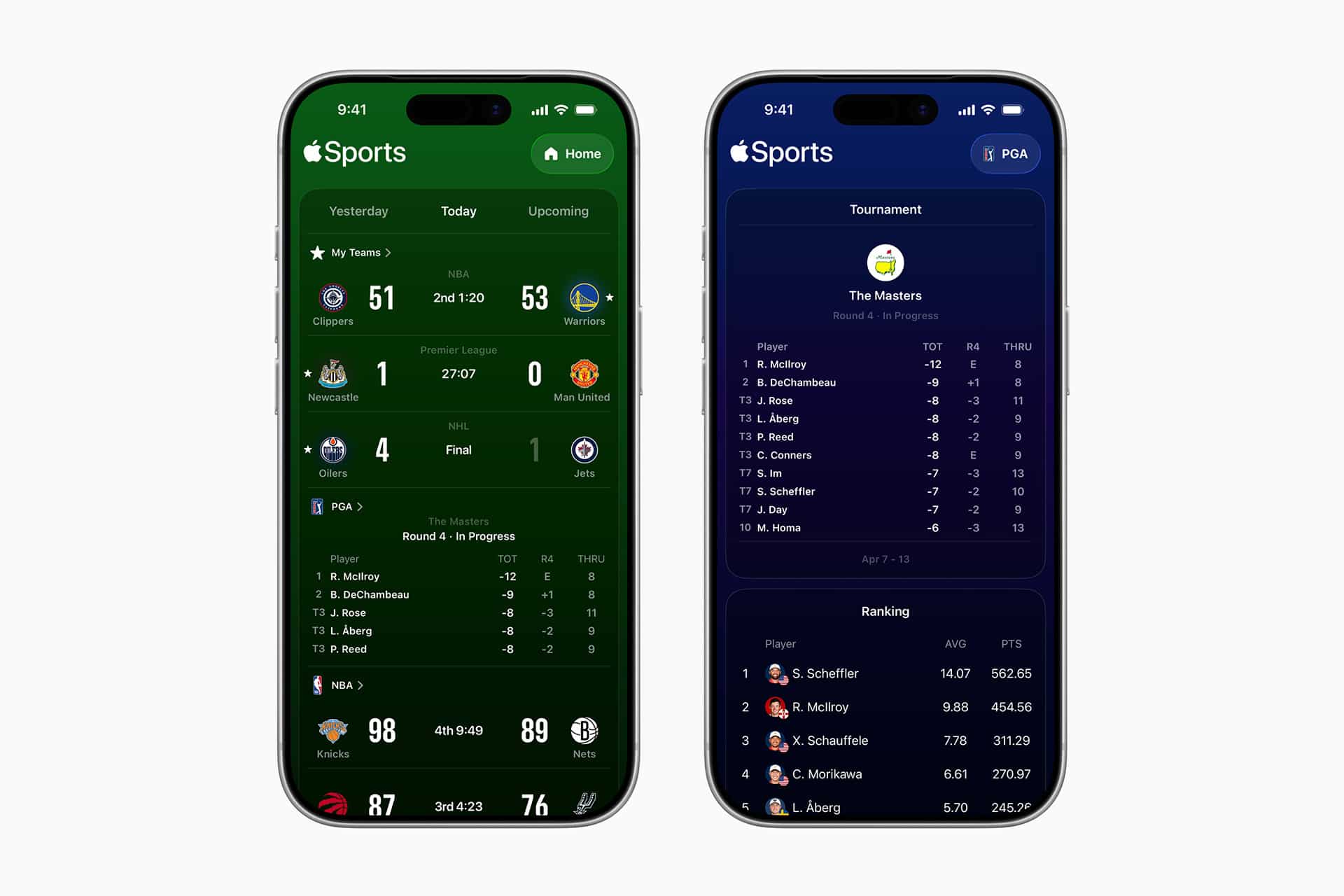
Apple Sports keeps the experience focused. Open the app and the information that matters most appears immediately: live scores, standings, match schedules, and detailed statistics. There are no layers of menus to dig through and no unnecessary distractions competing for attention.
For fans tracking multiple competitions at once, clarity is essential. A Saturday night in South America might include domestic league matches, continental fixtures, and international friendlies all unfolding within hours. Apple Sports reduces the friction of switching between different sources. Teams can be selected and followed, and the home screen adapts to those preferences.
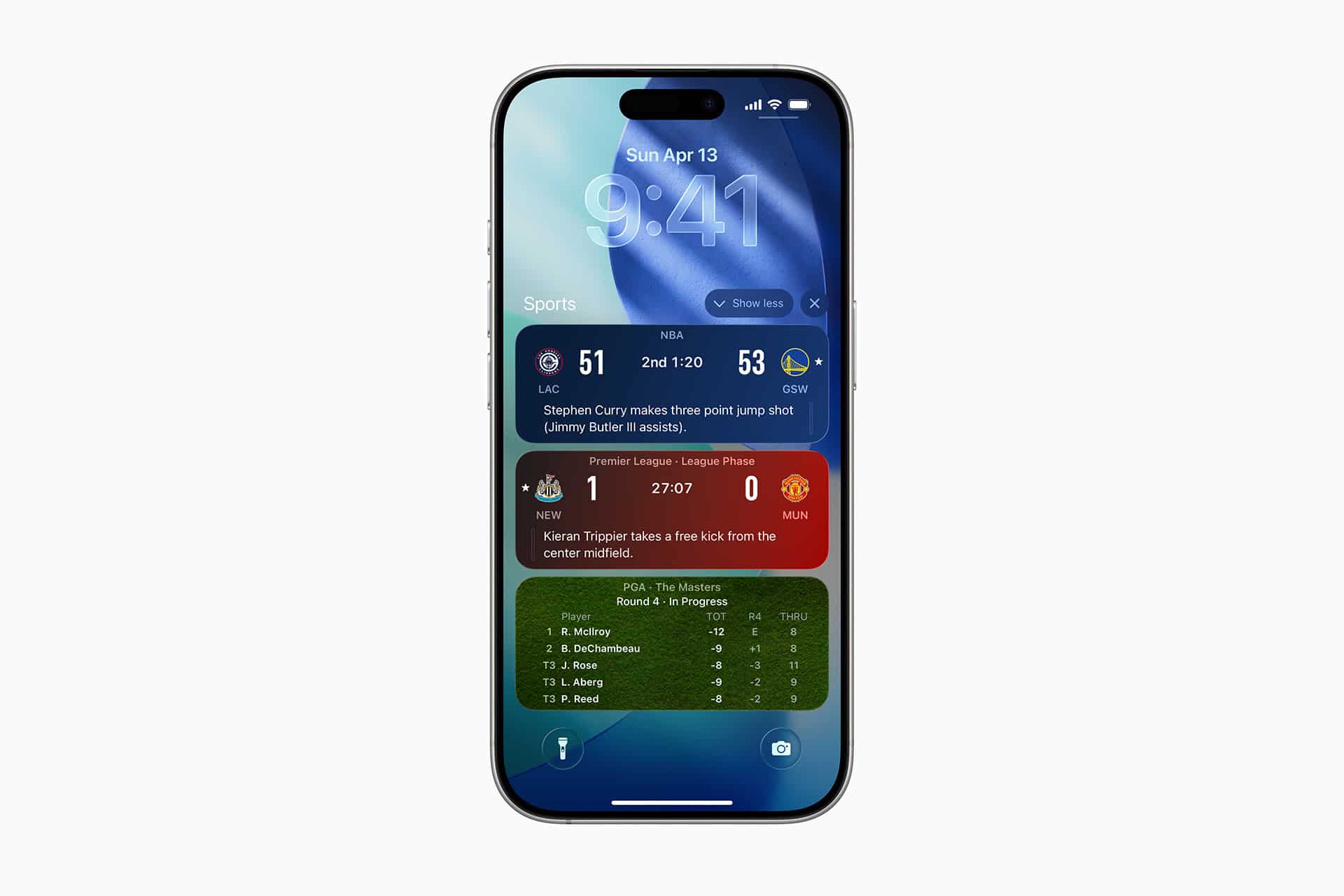
Live notifications extend that connection. A goal alert arrives seconds after the ball crosses the line. A reminder appears shortly before kickoff. For supporters who cannot watch every minute on television, the iPhone becomes the constant companion, delivering updates wherever they are.

Local Leagues Stand Beside Global Competitions
One of the strongest signals in this expansion is the addition of leagues that define regional identity. Chile’s Primera División joins the platform, reinforcing the importance of local championships that anchor national sports culture. In Argentina and Brazil, domestic clubs carry decades of history. Their rivalries are part of everyday life.
Apple Sports does not isolate these competitions from global tournaments. Instead, domestic leagues appear alongside international fixtures, creating a unified experience. A supporter can review local standings, then switch to a European match or an international cup without leaving the app.
That blend reflects how fans actually consume sport. They care about their home team, but they also follow global events. Bringing both into one interface respects that pattern.
The iPhone as a Daily Sports Hub
Mobile access is central in Latin America and the Caribbean. For many users, the smartphone is the primary digital device. Sports updates are checked on public transportation, in cafés, at work, and during family gatherings. A streamlined app designed specifically for iPhone fits naturally into those routines.
Apple Sports remains free to download, lowering the barrier to entry. It operates independently while sitting comfortably inside the broader Apple ecosystem. The experience aligns with how users already move between apps throughout the day.
As Apple continues to develop its services portfolio, apps like Apple Sports contribute to regular engagement. Checking scores becomes habitual, part of the same daily rhythm as checking messages or weather. Expansion into 36 new countries strengthens that pattern.
Eighty Markets and Growing
Reaching 80 markets worldwide signals sustained commitment. Adding 36 countries in one expansion is not incremental; it is deliberate. Latin America and the Caribbean represent communities where sport drives social interaction. Being present there is about relevance.
From Santiago to São Paulo, Kingston to Lima, matchday spills into streets and living rooms. Apple Sports does not attempt to replace the atmosphere. It supports it by delivering reliable, fast information at the exact moment it is needed.
The expansion reinforces a simple reality: when the match begins, the iPhone is already in hand. With Apple Sports now active across these new regions, scores, stats, and standings travel with the fan, wherever the game unfolds.

