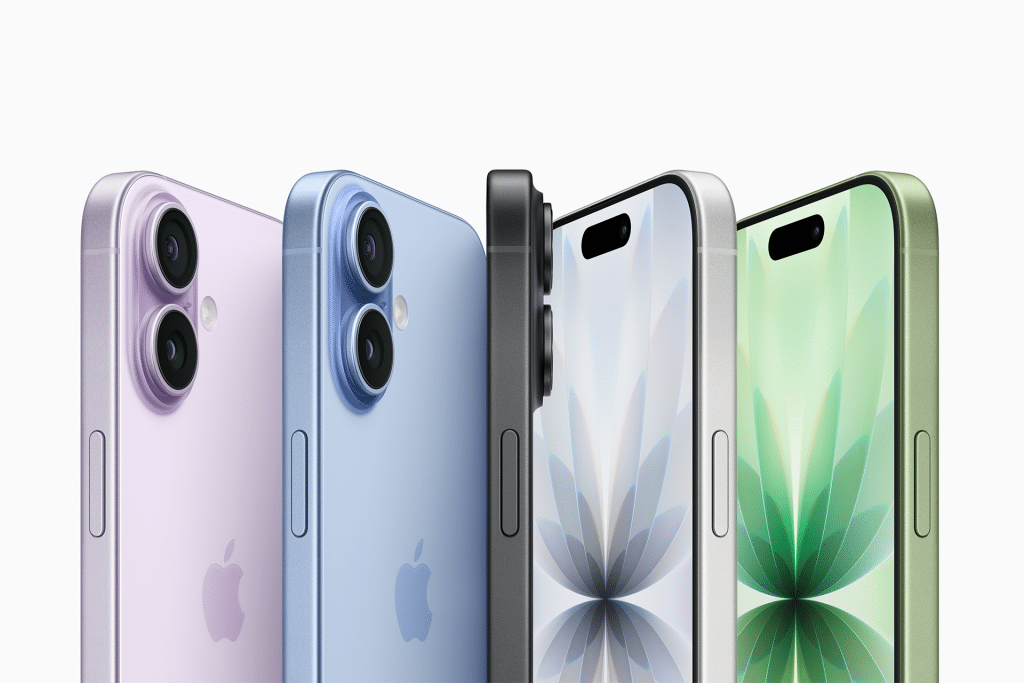
Apple’s move to secure memory for the iPhone 17 underscores the significant pressures facing semiconductor supply chains in late 2025 and into 2026. As artificial intelligence accelerates demand for high-bandwidth memory (HBM) used in data centers and AI accelerators, producers such as SK Hynix and Micron have shifted much of their capacity away from mobile DRAM to higher-margin server components. In response, Samsung — one of the world’s largest DRAM manufacturers — is stepping in to supply a larger share of low-power LPDDR5X memory modules that are optimized for mobile device efficiency and thermal stability.
Rising RAM prices have forced Apple to reconsider its supplier mix. Reports indicate that the price of a 12GB LPDDR5X memory module has jumped from about $30 earlier in the year to around $70, contributing to a challenging cost environment for smartphone manufacturers. By leaning more heavily on Samsung, Apple aims to secure large, predictable volumes that support iPhone 17 production while mitigating the effects of volatile memory markets.

Challenges in the Memory Market
The broader memory shortage reflects a confluence of factors. Demand for AI-oriented memory has surged, driven by data center expansion and AI workloads that require greater throughput and capacity. Memory makers have responded by reallocating production toward HBM and other advanced memory types, effectively tightening supply for consumer-grade LPDDR used in phones and tablets.
Samsung remains one of the few manufacturers still able to meet Apple’s stringent quality and volume requirements for mobile DRAM, even as its own divisions contend with similar supply constraints. That has reinforced its position as a key player in Apple’s component strategy, despite historically being both a supplier and a competitor in other markets.
Potential Impacts on Apple Products
This shift could have implications beyond the iPhone 17. Higher memory costs and constrained supply may ripple into broader hardware pricing and availability, including future iPhones and other Apple products. Apple’s longstanding supply agreements have traditionally smoothed such variations, but the scale of the current shortage — potentially persisting into 2027 — could challenge even well-negotiated contracts.
For Apple, maintaining performance standards in areas such as multitasking and on-device AI capabilities hinges on secure access to efficient memory modules. Consolidating a larger share of DRAM orders with Samsung may stabilize production, but it also increases reliance on a single supplier, which presents strategic risks if disruptions occur.