

Apple has quietly expanded the reach of Apple TV on Android by adding native Google Cast support, allowing users to stream shows and movies directly from their phones to Chromecast-enabled televisions and other Cast-compatible devices. The update marks a notable shift in how Apple approaches distribution for its streaming service, which has traditionally leaned on AirPlay and tight integration with Apple hardware to reach the living room.
The change does not affect pricing, subscriptions, or the Apple TV catalog. Instead, it removes a practical barrier for Android users who want to watch Apple TV originals on a larger screen without owning Apple hardware or depending on a native Apple TV app on their television. For a service competing in a crowded streaming market, reducing friction at the point of playback can matter as much as launching new content.
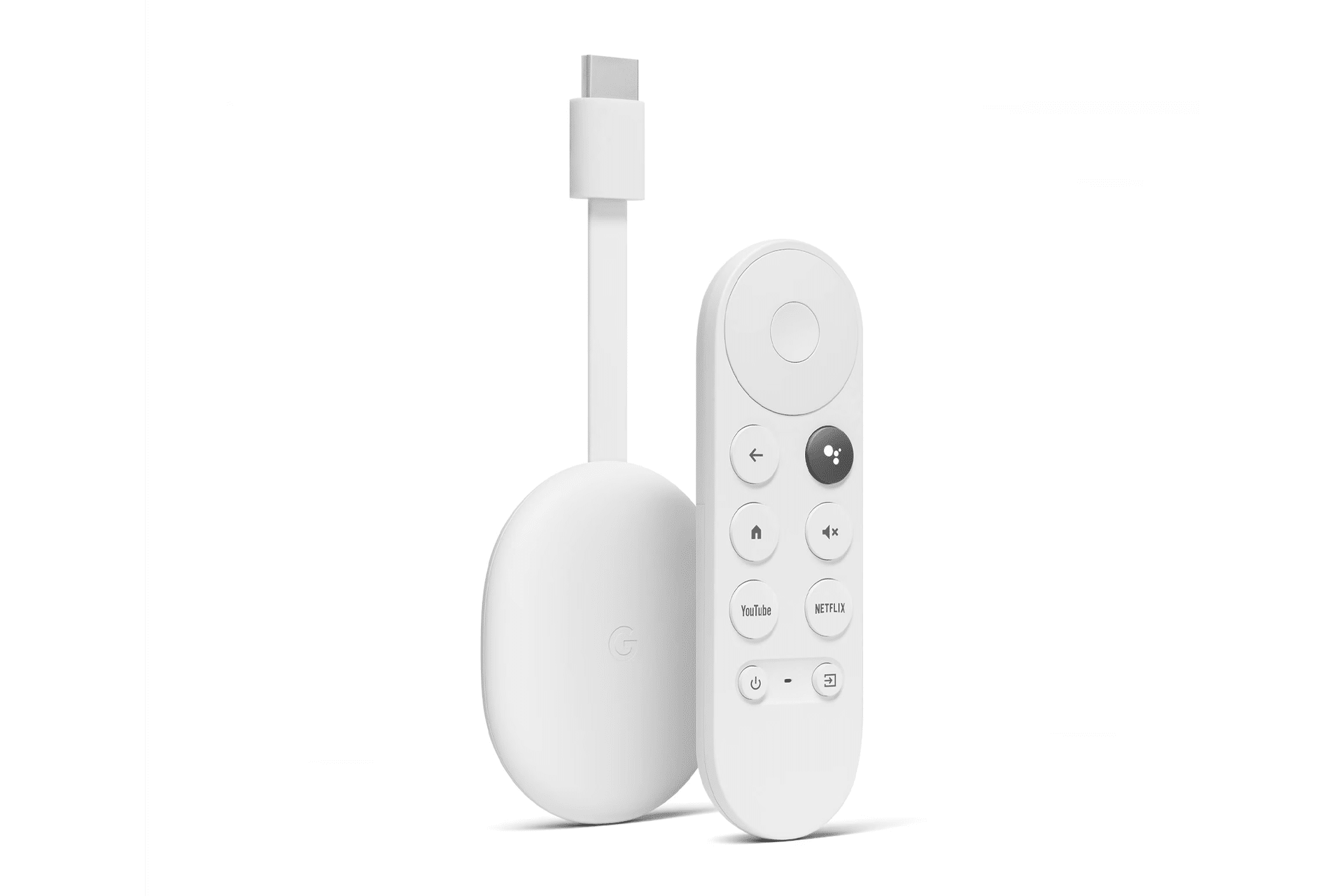
How Google Cast Works With Apple TV on Android
With the update in place, Android users can open the Apple TV app and tap the familiar Cast icon to send video to supported devices. This includes Chromecast dongles, televisions running Android TV or Google TV, and other displays that support Google Cast natively. Playback behaves like standard Cast streaming, with the video playing directly on the television while the phone functions as a remote control.
This approach avoids screen mirroring, which can drain battery life and limit usability. Users can lock their phone, switch apps, or step away while playback continues uninterrupted. Controls such as pause, resume, and scrubbing remain accessible from the device, following established Google Cast behavior that Android users already expect from other streaming apps.
Until now, Apple TV stood out for lacking this basic Android feature. Without Cast support, Android users were limited to watching on their phones or tablets unless their TV manufacturer offered a native Apple TV app. The update brings Apple TV in line with common streaming expectations on the platform.

Apple TV has spent years expanding beyond Apple’s own devices, gradually appearing on smart TVs, game consoles, and streaming boxes. Adding Google Cast support on Android fills one of the last practical gaps in that expansion. Unlike AirPlay, which is limited to Apple’s ecosystem, Google Cast is widely supported across Android devices and modern televisions.
For Apple, this reduces dependence on individual TV manufacturers maintaining native apps and lowers the barrier for households that primarily use Android devices. For users, it means Apple TV content becomes easier to access in shared living rooms, rentals, and environments where Apple hardware is not the default.
The move also reflects a broader trend in Apple’s services strategy. While hardware remains closely integrated, services like Apple Music and Apple TV have steadily become more platform-agnostic. The goal appears less about reinforcing device lock-in through limitations and more about maximizing reach for subscription services.
Distribution Over Exclusivity
The addition of Google Cast does not differentiate Apple TV technologically from its competitors. Most major streaming services on Android have supported Cast for years. Instead, the update removes a disadvantage that became more noticeable as Android TV and Google TV adoption increased.
Apple TV’s competitive position continues to depend primarily on its original programming rather than playback mechanics. Shows such as Pluribus, Slow Horses, and Severance drive interest, while compatibility determines how easily that interest translates into regular viewing. By making playback simpler on Android, Apple increases the likelihood that subscribers actually use the service rather than letting it lapse.
The update also provides flexibility in markets where smart TV app availability varies. If a television supports Google Cast, Apple TV can now reach it indirectly, even if a dedicated app is missing or outdated.

What Has Not Changed
Despite the expanded compatibility, Apple TV on Android remains distinct from its experience on Apple devices. System-level integrations, deeper ecosystem features, and hardware-specific enhancements are still tied to iOS, iPadOS, and tvOS. Google Cast support focuses on playback, not broader integration.
Apple has not added offline viewing through Cast, deeper Google Assistant integration, or changes to account management. Subscriptions and billing continue to run through Apple’s systems, and AirPlay remains the default option on Apple hardware. The update is targeted specifically at aligning Apple TV with Android platform norms rather than redefining the service.
Adding Google Cast support is a distribution-focused decision rather than a content or pricing shift. It suggests Apple is prioritizing ease of access and reduced friction as competition in streaming increasingly revolves around retention and habitual use.
For Android users, the update removes a long-standing inconvenience, as streaming services compete not just on what they offer but on how easily it can be watched, small technical changes like this can quietly influence long-term engagement.


