



Apple TV has never tried to win by volume. Its catalog is built around a smaller set of series that are meant to feel finished, considered, and rewatchable, with episodes that lean on writing and performances instead of constant noise. That approach matters most when you’re trying to pick something that’s worth your time, not just something that fills it.
If you’re looking for the best Apple TV series to watch right now, these five titles capture what the service does best: a big new swing that people can’t stop talking about, a modern comfort classic, a glossy comedy with teeth, a flagship drama that still drives conversation, and a thriller that aimed for scale and left a complicated aftertaste.
The five series featured here are Pluribus, Ted Lasso, Palm Royale, The Morning Show, and The Last Frontier.
Pluribus

Pluribus arrives with the kind of momentum Apple TV usually reserves for its most ambitious launches. It’s the show people reference in group chats with minimal context because the concept is the hook, but the reason it sticks is tone control. It plays with mood shifts that would feel risky on a louder platform, letting scenes linger long enough to build discomfort, then snapping into something unexpectedly funny or strangely tender.
A big part of the appeal is how the series trusts the viewer to keep up. It doesn’t overexplain its rules, and it doesn’t turn every twist into a headline. Even when the story leans into high-concept territory, it’s still grounded in character choices and the quiet tension of watching someone realize they’re the only person in the room who sees what’s happening. That’s Apple TV at its best: a strange premise that doesn’t become a gimmick because it’s treated like drama first.
If you’re coming to Pluribus after hearing the name everywhere, it helps to give it the kind of attention you’d give a novel, not a casual background watch. This is a show that builds its pull through accumulation. You notice patterns. You remember a line from two episodes ago and realize it wasn’t throwaway. You start expecting the show to change the meaning of earlier scenes, not by rewriting them, but by revealing what you didn’t know yet. That kind of storytelling is exactly why Apple TV’s slower release cadence often works in its favor.
Ted Lasso
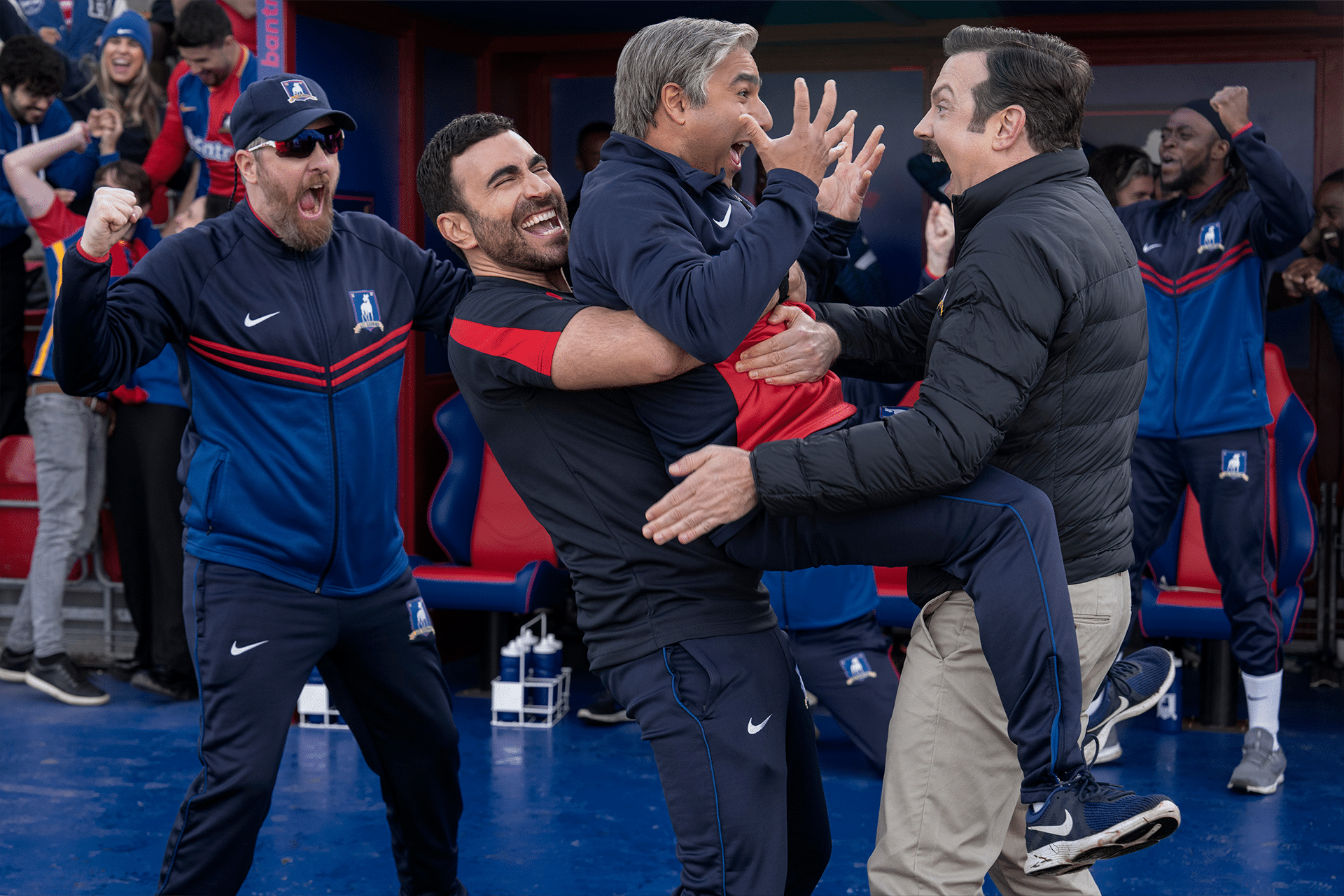
Ted Lasso remains the easiest Apple TV recommendation for a reason: it’s warm without being shallow, funny without needing to be mean, and sincere without turning into a lecture. Even if you already know the cultural footprint, the experience of watching it is still surprisingly personal. It’s a series that makes small moments matter, with characters who evolve in ways that feel earned rather than plotted.
What makes Ted Lasso endure on Apple TV is that it doesn’t treat kindness as a gimmick. The writing is structured around relationships and consequences, so the emotional beats land because they come after real messiness, not because the show insists you feel something. It also understands rhythm. Episodes know when to breathe, when to be silly, and when to stop talking and let an actor carry the scene.
If you’re using Apple TV as your “end of day” app, Ted Lasso is still the best proof that comfort viewing can be high quality. It doesn’t require you to memorize lore. It doesn’t punish you for missing a detail. It gives you the kind of character familiarity that makes you want to keep going, even when you tell yourself you’ll stop after one episode. And for households with mixed tastes, it’s one of the few modern series that can work across generations without feeling like it was designed by committee.
Palm Royale
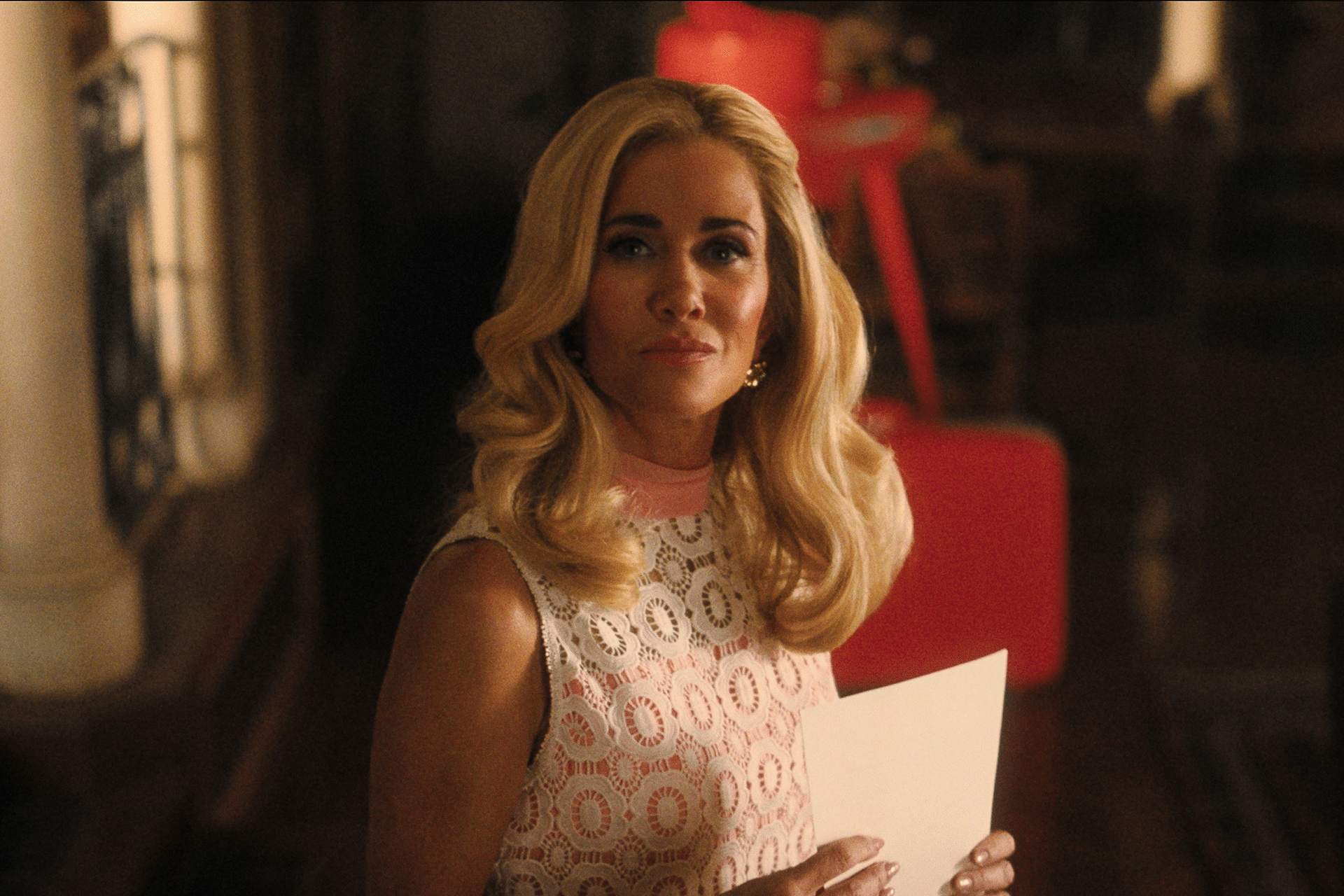
Palm Royale is the kind of show that understands the pleasure of watching people behave badly in expensive rooms. It’s glossy, comedic, and sharply staged, with a social-climbing energy that turns every conversation into a small battle for status. The series leans into its setting and aesthetic, but it’s not just style. The humor works because the characters take their tiny worlds seriously, and the show treats those stakes with just enough respect to make the satire bite.
Part of what Palm Royale does well is pacing. It knows when to linger on the awkwardness of a moment and when to move quickly so the scene doesn’t collapse under its own performance. The tone is confident, which matters with a story built around ambition, exclusion, and social choreography. It’s also a strong “first episode” show, the kind you can put on when you’re not sure what you’re in the mood for, then realize you’re still watching an hour later because you want to see who wins the next round.
For Apple TV, Palm Royale also plays an important role in the lineup because it’s not trying to be prestige in the traditional way. It’s entertainment that’s smart about what it is. That balance is valuable on a service that can sometimes tilt too heavily toward slow burns. Palm Royale gives Apple TV something vibrant and conversational, without drifting into empty spectacle.
The Morning Show

The Morning Show is still one of Apple TV’s defining series because it sits right at the intersection of star power and sustained storytelling. It’s the show that helped set expectations for what Apple TV wanted to be, and it remains a flagship because it has room to be messy. The writing isn’t afraid to follow storylines into uncomfortable territory, and the series keeps finding ways to reflect the pressure and performance of modern work life without flattening its characters into symbols.
One of the reasons The Morning Show continues to work is that it understands the backstage world it’s built around. The setting isn’t just a backdrop. It’s a machine that shapes behavior. That gives the show a constant undercurrent of tension, even in scenes that are quiet on the surface. People are always managing perception, negotiating power, and trying to stay upright while the ground shifts under them.
It’s also a show that benefits from watching at the right time. If you’re in the mood for something that feels current, with characters who make complicated choices and live with the fallout, it’s one of the most reliable options on the service. The performances do a lot of the heavy lifting, but the series keeps its momentum by remembering that workplace drama is never only about the workplace. It’s about what people want, what they fear, and what they’re willing to trade to keep control.
The Last Frontier

The Last Frontier is the most divisive pick on this list, but it belongs here because it represents a side of Apple TV that’s easy to overlook: the service is willing to try straightforward genre television, even when it risks being judged more harshly than its prestige offerings. The Last Frontier leans into a rugged action-thriller setup, with a premise designed to create pressure quickly and keep it there. It’s not subtle, and it doesn’t pretend to be.
For viewers who want a tense, plot-forward series with a physical setting that does some of the storytelling, The Last Frontier can still be a compelling watch. It moves with urgency, it’s built for cliffhangers, and it has the kind of episodic structure that makes it easy to keep pressing play. At the same time, it’s also a reminder that not every Apple TV swing will land equally for every audience.
What makes it relevant right now is the conversation around it. When a show ends after one season, it changes how people approach it. Some viewers avoid it because they don’t want to invest. Others watch precisely because it’s self-contained and doesn’t require a multi-year commitment. In a streaming era where “catching up” can feel like homework, a single-season thriller can be appealing in its own way, especially when you want something that moves fast and doesn’t demand emotional endurance.
Apple TV’s lineup shifts quickly, but these five series represent the service at several different temperatures: big new energy, comfort, glossy comedy, flagship drama, and pure genre tension. If you’re building your Apple TV watchlist right now, starting here gives you a clean map of what the platform is offering at its most talked-about, most accessible, and most defining.

