Apple TV is stepping into a new arena. Through a distribution agreement with EverPass Media, Apple TV will now bring its live sports programming into bars, restaurants, hotels, and gyms across the United States. It’s a move that quietly changes how Apple’s sports strategy shows up in everyday life.
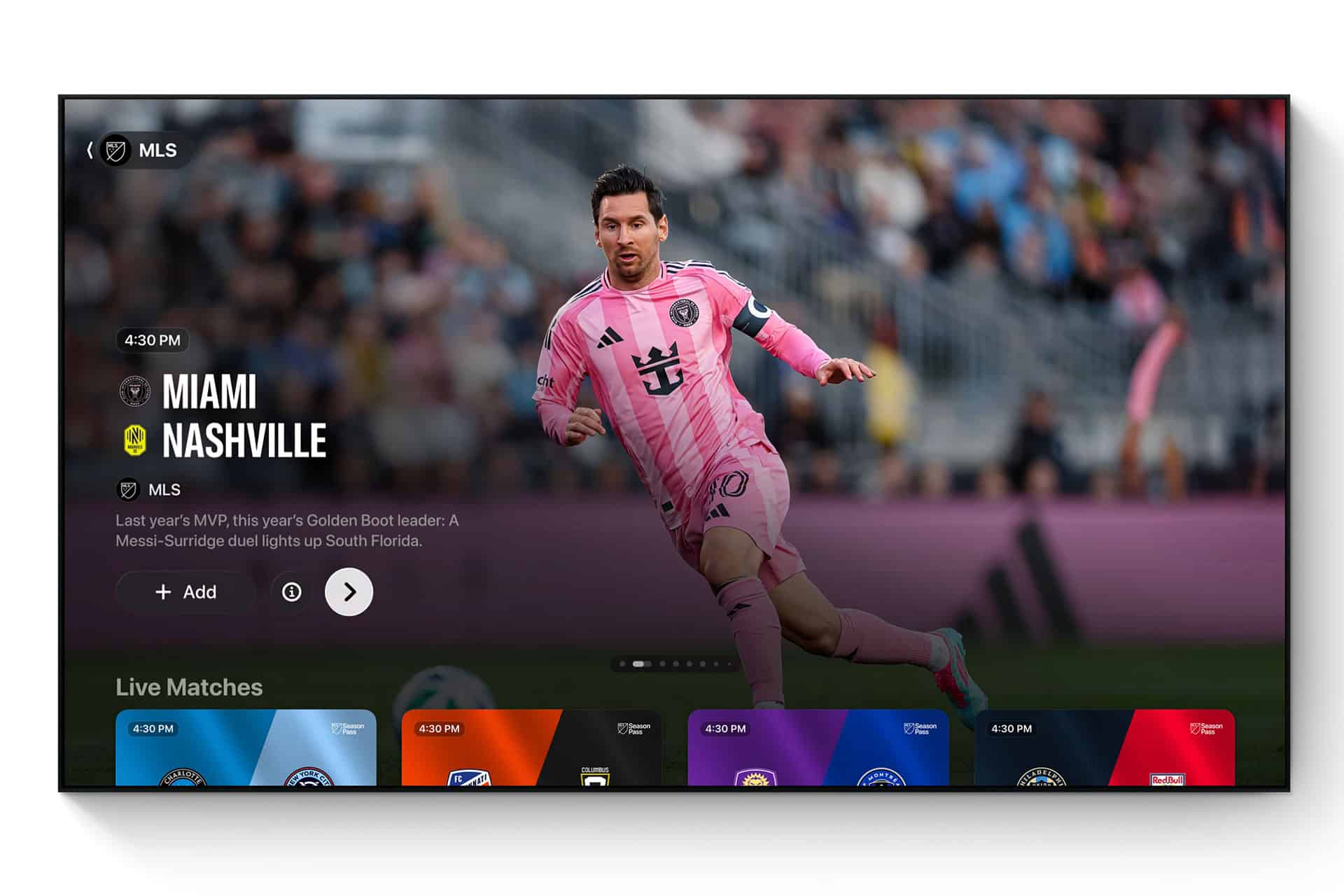
Until now, much of Apple TV’s sports push has centered on individual subscriptions inside the home. MLS Season Pass, Friday Night Baseball, and other live offerings were designed primarily for personal streaming. With EverPass, that same content can now appear on big screens in crowded sports bars, hotel lounges, and fitness centers where games are social events rather than solo viewing sessions.
A New Chapter for Public Sports Viewing
EverPass Media specializes in commercial distribution of live sports content. The partnership means business owners can legally license Apple TV sports broadcasts for their venues, ensuring compliance with commercial streaming rights. That matters. Consumer subscriptions don’t automatically grant permission for public broadcasts, and hospitality venues require proper licensing to show games to large groups.
For Apple, this is about presence. A Major League Soccer match streaming in a packed sports bar creates visibility in ways home viewing can’t. The energy of group watching turns a broadcast into an experience. A hotel lobby filled with fans during a playoff game becomes an extension of the platform.
It also aligns with Apple’s broader sports ambitions. MLS remains central to that effort, with Apple holding global streaming rights. Expanding distribution into public venues increases exposure for the league and the service. When people see the Apple TV logo consistently attached to live sports in real-world settings, brand familiarity grows.
Why EverPass Matters for Apple’s Sports Strategy
EverPass already works with leagues such as the NFL and NBA to distribute commercial streaming packages. Adding Apple TV to its lineup integrates the streamer into a network that hospitality businesses already trust.
Apple is no longer confined to living rooms.
Sports thrive in shared environments. Bars, restaurants, and gyms provide exactly that — large displays, communal excitement, and repeat weekly attendance. For subscription-based services, that visibility can drive awareness and influence future sign-ups at home.
Apple has steadily built its sports catalog. MLS coverage expanded in 2026, making all matches available to Apple TV subscribers. With EverPass, those matches now gain another layer of accessibility. Instead of asking fans to watch alone, Apple positions itself within the culture of public viewing.
The timing fits a broader industry shift. Streaming platforms increasingly compete for premium sports rights as live events remain one of the few formats audiences consistently watch in real time. By securing commercial distribution early, Apple ensures its sports programming occupies valuable screen space beyond private households.

Apple TV’s Licensed Sports Framework
For venue owners, the appeal is straightforward. A single agreement opens access to Apple TV’s sports catalog under a licensed framework. That can attract customers during match days and special events. Hotels gain a stronger entertainment offering. Gyms can display live matches during peak hours.
The arrangement also simplifies operations. Rather than relying on individual consumer logins, businesses receive structured commercial access through EverPass. That protects venues from compliance risks while ensuring stable broadcast quality.
As Apple continues building its live sports portfolio, additional events could join the commercial distribution lineup. The partnership sets infrastructure in place for future expansions, whether that involves international tournaments, additional leagues, or special event programming.
Apple’s move with EverPass is less about headlines and more about positioning. Streaming platforms have learned that sports are not only about digital reach but also about cultural visibility. By placing Apple TV sports on big screens in public spaces, the company extends its footprint into the social rituals that define live competition.
In crowded bars, hotel lounges, and gyms where fans gather, Apple TV is no longer confined to personal screens. It becomes part of the shared noise, the high-fives, and the collective anticipation that only live sports can create.