

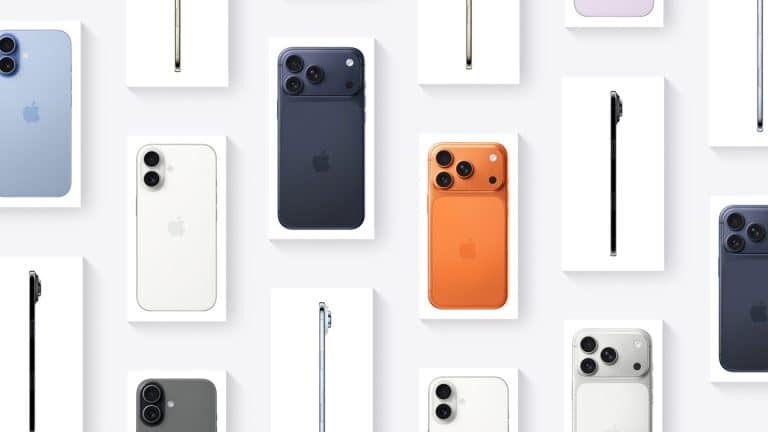
Apple Upgrade could become the largest change to device financing at Apple in years, extending a leasing-style payment model beyond iPhone to eligible Mac, iPad and Apple Watch models.
The reported program is expected to launch in the United States on July 28 through the online store and physical retail locations. Apple has not formally announced the service, while financial partner Klarna is expected to provide the infrastructure behind the agreements.
Customers would make monthly payments over a defined term while retaining the ability to pay the remaining balance, switch to a newer product early or keep the device after completing the agreement. Apple reportedly plans to promote the service through lower monthly costs than those available under its existing financing choices.
The arrangement resembles a vehicle lease more closely than a conventional installment purchase. A lower monthly payment can make premium hardware easier to access, but the customer may not immediately own the product outright and could face a final payment or return decision at the end of the term.
Apple Upgrade Expands Beyond iPhone
Apple already operates the iPhone Upgrade Program, which divides the cost of an eligible iPhone and AppleCare+ across 24 monthly payments. Customers can trade in the device and begin a new agreement after making 12 payments.
Apple Upgrade would replace new enrollments in that program and standard iPhone financing, according to the report. Existing customers would not necessarily lose their current agreements, but future purchases would move toward the new structure.
The broader product selection is the major difference. Most current iPhone, iPad, Mac and Apple Watch models are expected to qualify, allowing customers to manage several expensive devices through a similar payment system.
Lease terms would reportedly run for 24 months on iPhone and Apple Watch, while Mac and iPad agreements would extend to 36 months. Longer terms reduce the amount due each month, particularly for products such as MacBook Pro and iPad Pro, but they also keep customers connected to the financing arrangement for a greater period.
Several entry-level products are expected to remain outside the program. Reported exclusions include iPhone 16, the standard iPad, Apple Watch SE and MacBook Neo. Business and education purchases would also be ineligible at launch.
Those restrictions suggest Apple Upgrade is primarily designed for higher-priced consumer products rather than the least expensive route into each category. Customers considering a base model may continue using Apple Card Monthly Installments, carrier financing, third-party credit or a direct purchase.
The program would also give Apple more control over the upgrade cycle. Carrier promotions often tie customers to long bill-credit periods, while a company-managed lease can encourage users to return directly to an Apple Store or the online store when they are ready for another device.

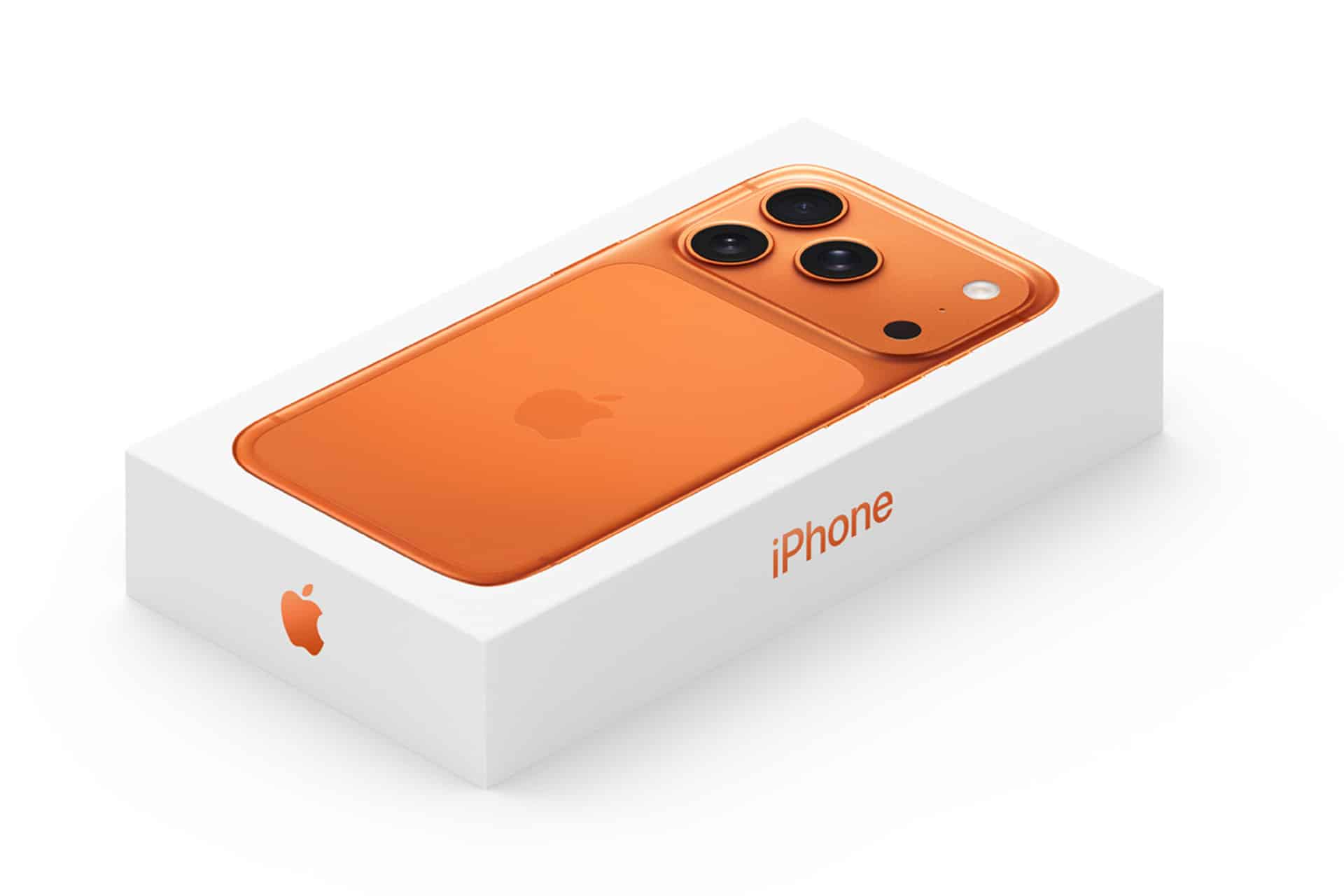
Lower Payments Come With Trade-Offs
Lower monthly payments will likely provide the strongest selling point, particularly after price increases across parts of the Mac and iPad lineups.
The immediate figure shown at checkout can make a device appear more affordable than a traditional financing plan. A customer comparing a monthly lease with a full retail price may focus on the smaller recurring amount, even when the total cost and ownership conditions require closer examination.
Apple Upgrade will reportedly use a soft credit check through Klarna. A soft inquiry generally does not affect a credit score in the same way as a hard application, although final eligibility, payment conditions and account management will depend on the published program terms.
AppleCare coverage represents another major distinction. The existing iPhone Upgrade Program includes AppleCare+ with Theft and Loss, while the new leasing service reportedly will not include an AppleCare plan automatically.
Customers who want accidental-damage coverage, theft protection or extended service will need to add it separately. Removing the bundle may help Apple display a lower starting monthly payment, although the difference becomes less dramatic when a customer adds AppleCare+.
Device condition may also become more relevant when customers choose an early upgrade or return the hardware. Final terms will need to explain acceptable wear, damage charges, missing accessories and how Apple calculates any remaining obligation.
Ownership is another consideration. Traditional installment financing gradually pays down the full purchase price until the customer owns the device. A leasing arrangement may prioritize flexibility and lower payments, but people who keep hardware for five or six years could find a direct purchase less complicated.
The program may appeal most to customers who already replace an iPhone every year or two, move quickly between Mac configurations or prefer predictable monthly expenses over a large upfront payment. It may be less attractive to buyers who use a device long after the financing period ends.
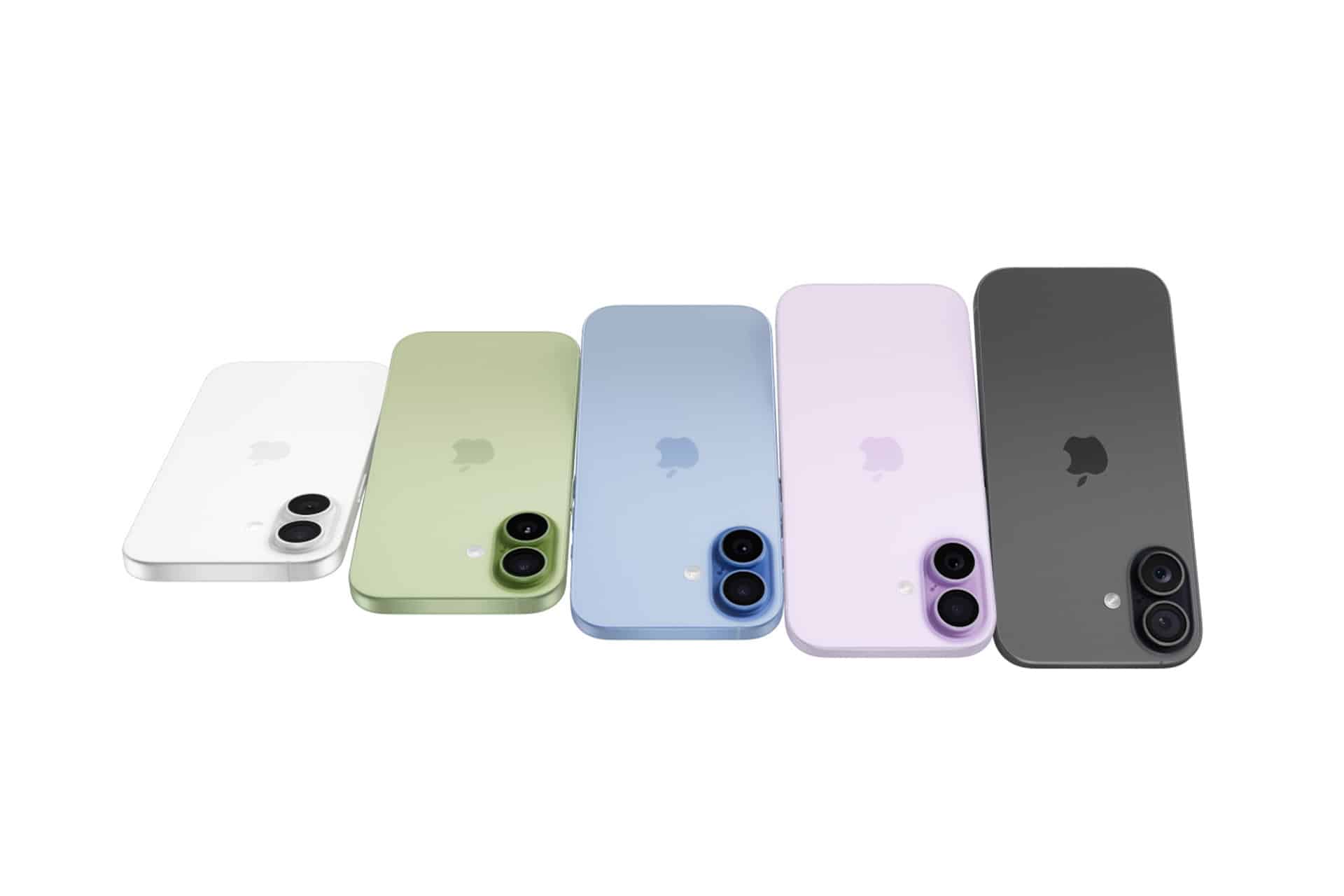
A Sales Tool for More Expensive Hardware
Apple Upgrade arrives as the company looks for new ways to sustain hardware demand while component costs and retail prices place additional pressure on customers.
A leasing program does not reduce the retail price of a Mac, iPad or iPhone. It changes how that price appears and how quickly customers can move to another model.
That distinction could help Apple maintain upgrades without relying on aggressive permanent discounts. Instead of lowering the price of a $1,000 device, the company can emphasize a monthly figure that competes more directly with phone bills, streaming subscriptions and other recurring household costs.
The approach may also increase the number of devices returning to Apple. Products surrendered during upgrades can enter trade-in, refurbishment, resale or recycling channels, giving the company another source of inventory and material recovery.
Klarna provides the financial infrastructure behind the reported service, limiting the need for Apple to build and manage every part of the lending operation internally. The partnership follows a wider industry shift toward installment payments and buy-now-pay-later services embedded directly into digital checkout experiences.
Apple previously explored a broader hardware subscription in which customers could pay a recurring fee for an iPhone and potentially move to a new model regularly. That project was reportedly abandoned after development delays and regulatory complications.
Apple Upgrade appears to revive part of that concept through a more conventional lease-to-own structure supported by an established financial provider.
The reported launch date places the program ahead of the next major iPhone sales cycle. Customers entering a lease during the summer could later see Apple promote early-upgrade paths when new models reach stores, creating a financing relationship that continues across multiple product generations.
The most revealing details will appear in the final agreement rather than the headline monthly payment: total cost, early payoff rules, upgrade timing, device-condition standards and the price required to keep the hardware.
Those terms will determine whether Apple Upgrade offers meaningful flexibility or simply presents rising device prices through a smaller monthly number.