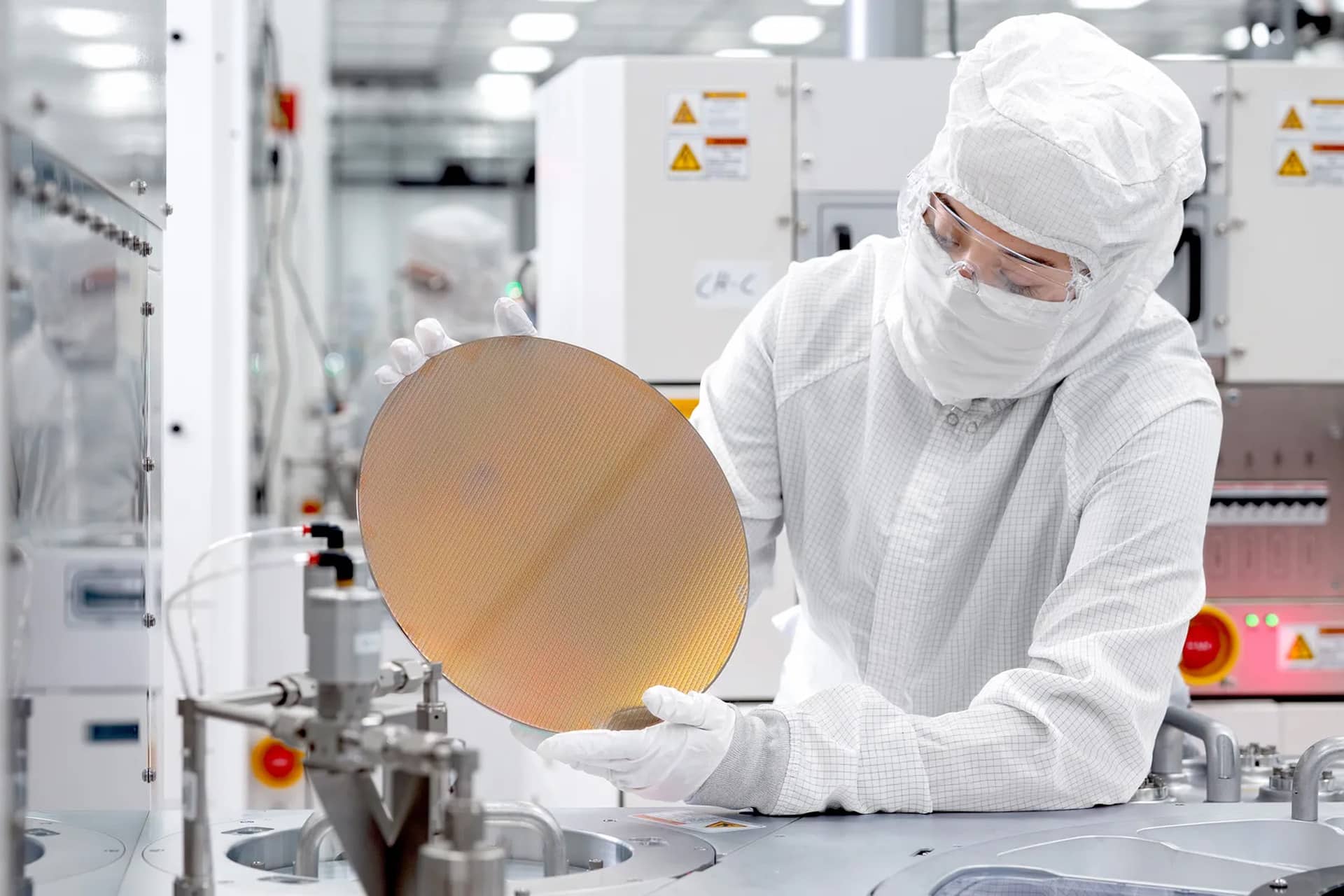
Apple US Production is entering a new phase as GlobalWafers Co. begins operations at its $4 billion silicon wafer plant in Sherman, Texas. The facility is now producing advanced wafers used in semiconductor manufacturing — foundational components that ultimately power devices across Apple’s ecosystem.
The Sherman plant represents one piece of a broader shift in Apple’s supply chain strategy. Over the past year, the company has increased the volume of chips manufactured on U.S. soil, surpassing $20 billion in domestically produced silicon. The scale of this expansion stretches across 24 factories in 12 states, with partners including TSMC, Broadcom, Texas Instruments, and GlobalWafers.


Sherman Plant Adds Capacity to Domestic Supply Chain
GlobalWafers’ Sherman facility focuses on producing silicon wafers that are later processed into advanced chips. While consumers rarely think about wafers, they are essential to everything from Apple silicon processors to wireless components and power management chips.
The investment reflects rising demand for localized semiconductor production. Over the last few years, geopolitical tensions and supply chain disruptions highlighted the vulnerability of concentrated manufacturing hubs overseas. By increasing wafer and chip fabrication inside the United States, Apple reduces exposure to external risk while reinforcing long-term supply stability.
Texas has become a strategic location for semiconductor growth, supported by state incentives and federal initiatives aimed at strengthening domestic chip production. Sherman joins a growing network of facilities contributing to Apple’s hardware pipeline.
Mac mini Assembly Expands in the United States
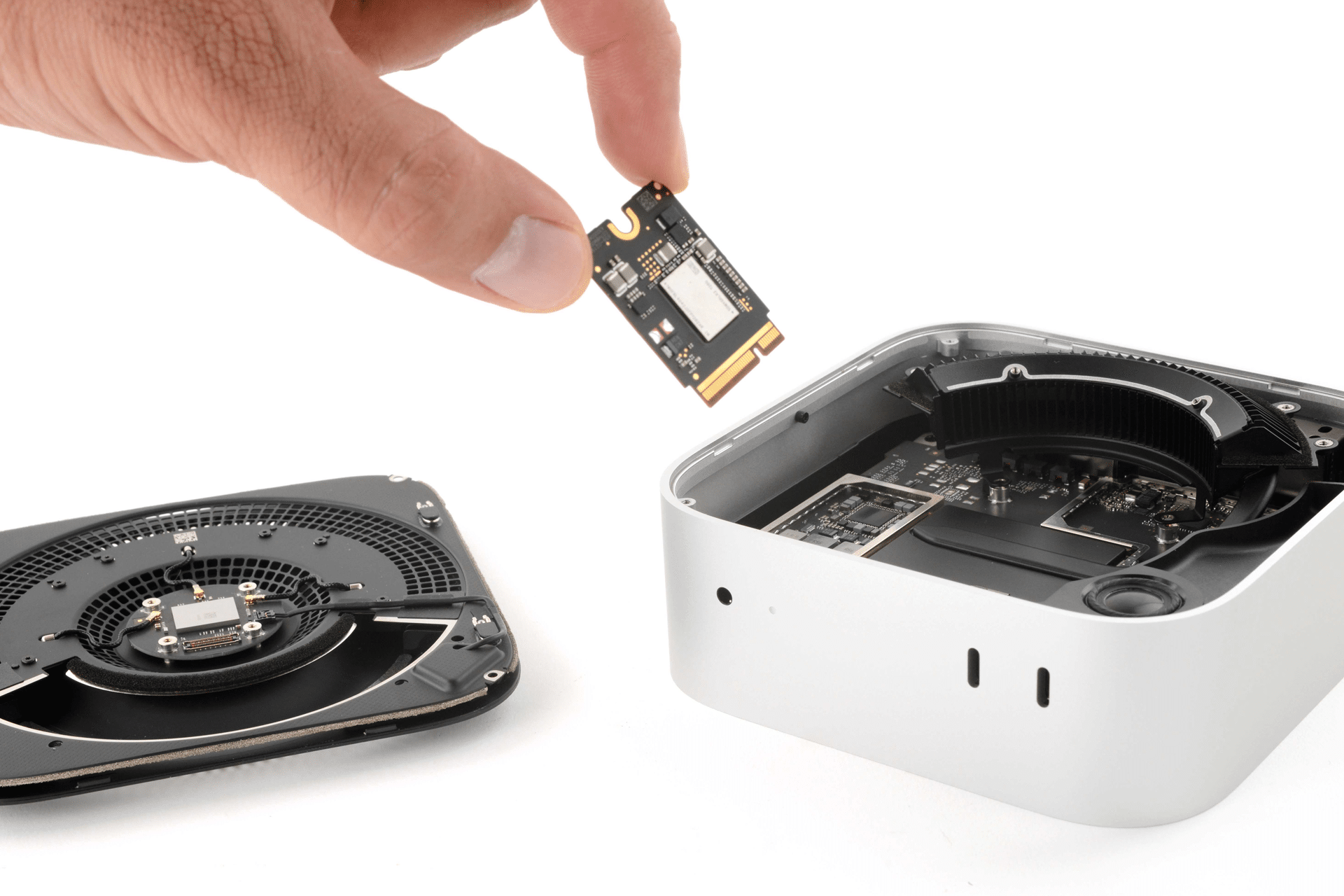
Apple’s U.S. production strategy extends beyond wafers and fabrication. The company has confirmed that Mac mini assembly will accelerate domestically by the end of 2026. This move aligns finished product assembly closer to the chip supply chain, creating tighter integration between component manufacturing and device production.
Mac mini serves as a practical example of how Apple balances performance and manufacturing scale. Powered by Apple silicon, the compact desktop reflects the company’s vertical integration model — designing chips in-house while coordinating fabrication and assembly across trusted partners.
The growth in domestic assembly complements the expansion of chip fabrication at facilities such as TSMC’s Arizona plants. Together, these operations reinforce a supply ecosystem that spans wafer production, chip fabrication, packaging, and final assembly.
Strategic Partnerships Across 12 States
Apple US Production now relies on a distributed manufacturing model inside the country. TSMC’s Arizona fabs contribute advanced node fabrication. Texas Instruments supplies analog and power management chips. Broadcom develops wireless and connectivity components. GlobalWafers provides the silicon foundation on which these chips are built.
This layered ecosystem reduces single-point dependency. Instead of relying exclusively on overseas fabrication, Apple integrates American-based capacity into its long-term silicon roadmap.
The $20 billion milestone in domestically manufactured chips illustrates the scale of the commitment. Rather than a symbolic gesture, the numbers reflect measurable production volume flowing into Apple’s devices.
Semiconductor Landscape
Domestic semiconductor investment has accelerated across the industry. Federal policy initiatives have supported fabrication expansion, while major technology companies commit capital to secure supply continuity. Apple’s role in this shift centers on high-volume, high-performance silicon demand.
Apple silicon, including M-series and A-series processors, requires advanced manufacturing techniques and high wafer quality. As partners scale U.S. capacity, more of that foundational work can occur within American facilities.
The Sherman plant contributes at the beginning of that chain. Silicon wafers move from GlobalWafers into fabrication plants, then through packaging and integration, before reaching final device assembly.

Strengthening Long-Term Production Stability
Apple’s manufacturing adjustments appear designed for resilience. Expanding U.S. chip production does not replace international operations, but it adds redundancy and geographic diversification.
With facilities active across multiple states, Apple distributes operational risk while supporting domestic semiconductor growth. The strategy combines chip design leadership with supply chain balance.
Apple US Production is now tied not only to final assembly but to upstream silicon development. As wafer capacity increases in Sherman and advanced fabrication expands in Arizona and other states, the company’s domestic footprint becomes more substantial.
The result is a supply framework that spans design, wafer creation, fabrication, and assembly — linking American facilities directly to the devices millions use every day.