

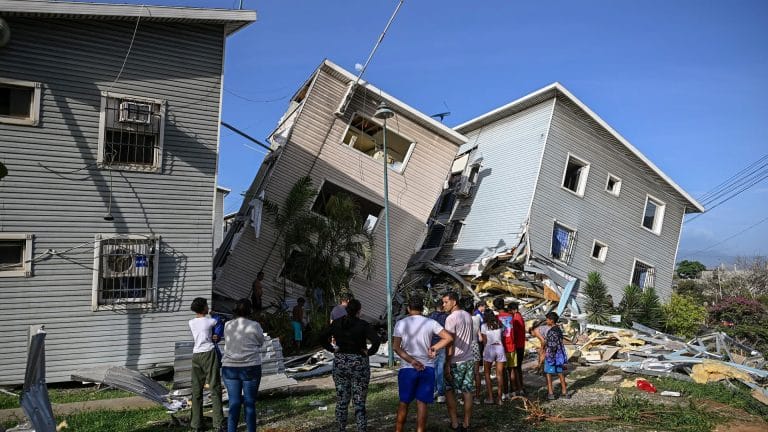
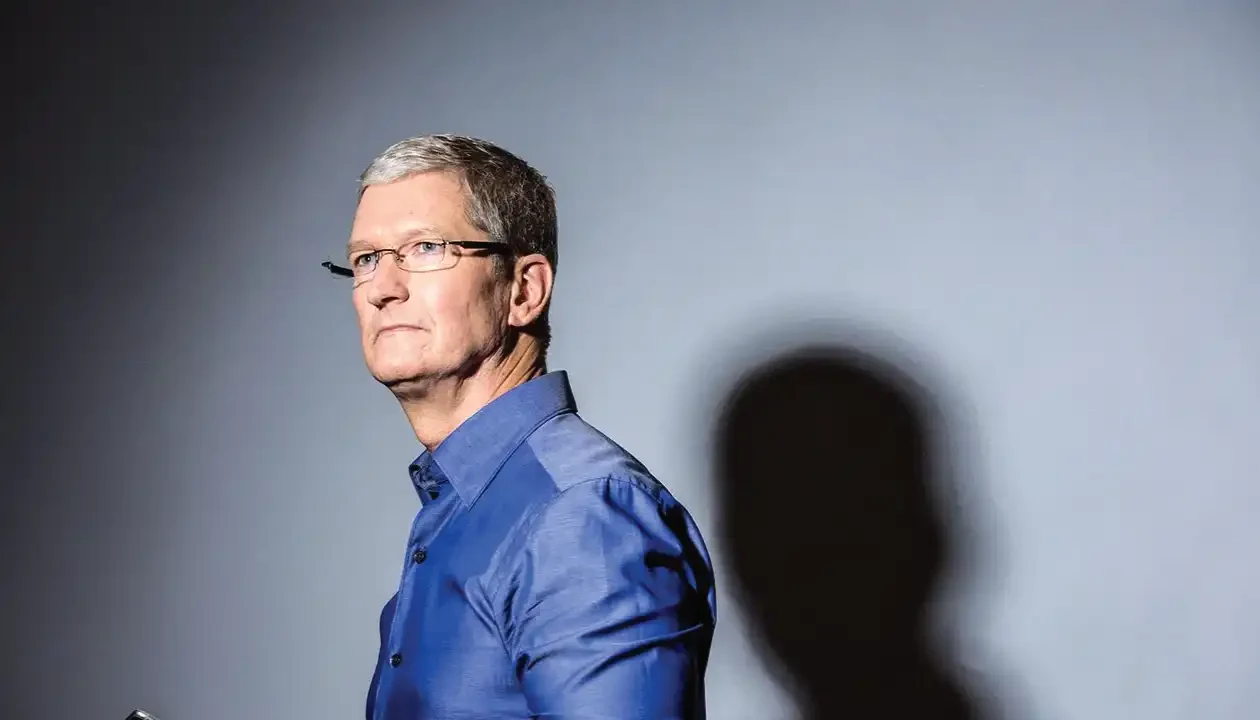
Apple Venezuela relief support is now part of the international response to two catastrophic earthquakes that struck the country this week. In a social media post, Apple CEO Tim Cook said those affected by the earthquake are in the company’s thoughts and thanked first responders helping people in harm’s way. He also said Apple will donate to relief efforts on the ground.
Cook did not disclose the amount of Apple’s donation or name the specific organizations receiving support. That is common for Apple’s disaster-relief announcements. The company has frequently committed funds after earthquakes, hurricanes, floods, wildfires, and other emergencies, often using Cook’s public posts to confirm support while keeping operational details limited.
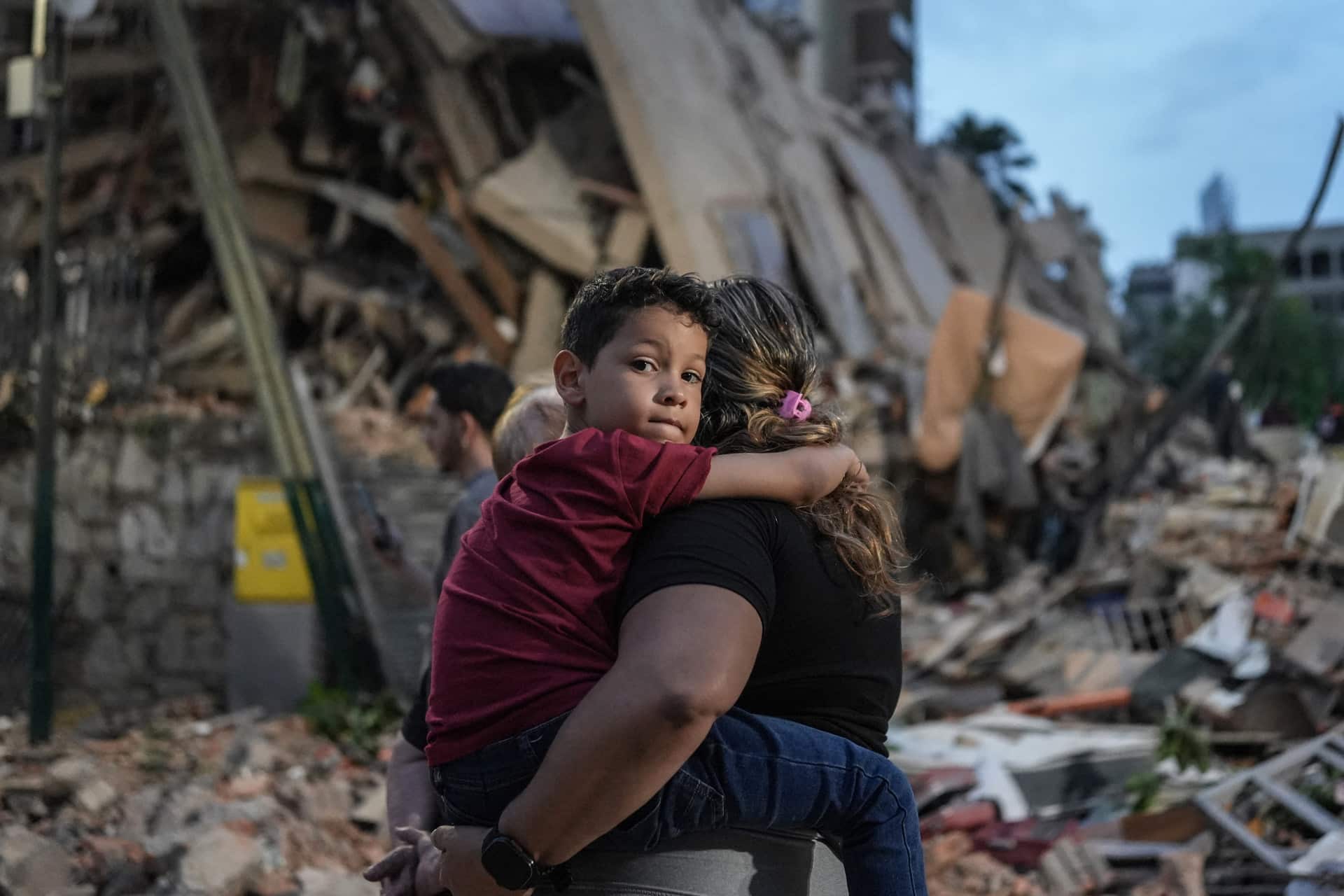
The Venezuela donation comes after two powerful earthquakes hit the country on June 24, 2026, causing severe damage across northern areas, including Caracas and the coastal state of La Guaira. Reports from international outlets and relief organizations described collapsed buildings, damaged infrastructure, overwhelmed hospitals, aftershocks, rescue operations, and a growing need for medical care, shelter, water, food, and search-and-rescue support.
The situation remains fluid, with casualty figures and damage assessments changing as rescue teams reach affected areas. Apple’s statement does not change the scale of the disaster, but it adds one more corporate contribution to a fast-moving humanitarian response that now includes governments, aid groups, diaspora communities, medical organizations, and first responders.

Apple’s Disaster Relief Pattern
Apple’s response in Venezuela fits a familiar pattern for the company. When major disasters strike, Cook often posts a brief message of sympathy and confirms that Apple will donate to relief or recovery efforts. The company has used similar language after earthquakes in Mexico, Turkey and Syria, Japan, Morocco, and other regions, as well as after hurricanes and floods.
Those posts are usually simple. They do not turn a disaster into a corporate campaign. They acknowledge victims, thank responders, and say Apple will contribute. That restraint is useful because humanitarian crises require support, not branding.
Apple’s donations can also carry symbolic weight because of the company’s global profile. A public commitment from one of the world’s largest technology companies can help keep attention on a disaster after the first news cycle. It can also encourage customers, employees, and other companies to support established relief organizations.
The company has sometimes enabled donation campaigns through its platforms, including App Store or Apple services prompts for major humanitarian appeals. There is no indication from Cook’s post that Apple has launched such a customer-facing campaign for Venezuela at this time. The current commitment is a direct donation to relief efforts on the ground.
That distinction matters. Apple is not selling a product, announcing a feature, or asking users to take action through its devices. It is publicly joining the relief response while leaving the operational work to organizations already active in the region.
Venezuela’s Humanitarian Challenge
The earthquakes struck a country already facing strained public services, infrastructure challenges, migration pressures, and long-running economic hardship. That makes disaster recovery more difficult. Even when international aid is mobilized quickly, damaged roads, airports, hospitals, communications systems, and local supply chains can slow the response.
La Guaira, north of Caracas, has been identified in several reports as one of the hardest-hit areas. Damage to buildings, transport routes, and emergency services has complicated rescue work. Hospitals and clinics may face a surge of trauma injuries, including fractures, crush injuries, dehydration, infection risks, and urgent surgical needs. Displaced families also need shelter, clean water, food, medicine, sanitation, and safe spaces for children.
UNICEF said children and families affected by the earthquakes need urgent support, including healthcare, safe water, protection, and psychosocial assistance. The organization also noted that its humanitarian appeal for Venezuela was already underfunded before the disaster. That makes new contributions more urgent because the earthquake response is landing on top of existing needs.
The Red Cross, Direct Relief, Convoy of Hope, UN agencies, and other groups have also moved to support emergency response or fundraising. Governments across the region and beyond have announced or prepared aid, including rescue teams, medical supplies, logistics support, and equipment.
Apple’s donation will likely be one small part of a much larger response, but major disasters are rarely addressed by one donor or one organization. The response depends on many contributions moving in the same direction.

Why Corporate Donations Help
Corporate disaster donations are sometimes criticized as public relations gestures, especially when companies do not disclose amounts. That skepticism is reasonable when announcements are vague or promotional. But corporate giving can still be useful when it sends money to experienced organizations with local capacity.
In the early days after an earthquake, the needs are immediate: search and rescue, emergency medical care, temporary shelter, food, water, communications, and logistics. Later, the needs shift toward rebuilding, school access, mental health support, family reunification, housing, and restoration of basic services. Flexible donations help aid organizations adapt as those needs change.
Apple’s advantage is scale. The company can move funds quickly, and its public statement can draw attention from a global audience. Its employees may also support relief internally, though Apple has not announced any specific employee-matching program for this event.
The most useful donations in disasters usually go to organizations that already understand the region, have active partners, and can coordinate with official response systems. Venezuela’s political and logistical complexity makes coordination especially important. Aid needs to reach communities without becoming trapped in bureaucracy, bottlenecks, or fragmented delivery.
This is why Cook’s phrase “on the ground” matters. Relief work is most effective when support reaches organizations operating near affected communities, not only high-level announcements far from the disaster zone.
The Role of Technology in Crisis Response
Apple’s donation is financial, but the broader crisis also shows how technology shapes disaster response. Families use phones to locate missing relatives, share urgent information, confirm safety, and organize community support. Diaspora communities coordinate supplies and fundraising through messaging apps and social media. Emergency teams rely on maps, satellite data, translation, medical records, and communications tools to manage response.
In an earthquake, connectivity can be fragile. Cell towers may fail, electricity may go out, roads may be blocked, and official information may move slowly. Devices become lifelines when they can connect people to relatives, responders, shelters, and aid groups. They can also become limited by battery life, damaged networks, or misinformation.
Apple has built emergency features into its devices, including Emergency SOS, Medical ID, satellite communication in supported regions, crash detection, location sharing, and emergency alerts where available. Those features are not a substitute for disaster infrastructure, but they show how personal technology increasingly participates in crisis moments.
Venezuela’s situation also highlights the limits. Not every emergency feature is available in every country. Not every person has a current device, reliable service, battery power, or access to networks. Relief work still depends on people, logistics, medical teams, local knowledge, and physical supplies.
Technology can help coordinate survival. It cannot rebuild a collapsed building or replace a hospital.
A Careful Public Message
Cook’s post follows Apple’s usual tone in humanitarian situations: brief, direct, and centered on victims and responders. That tone is appropriate because disaster communication can easily become insensitive if a company draws too much attention to itself.
The company also avoided turning the donation into a product message. That restraint matters. Apple’s role here is not to lead the relief response, but to support people and organizations doing urgent work. The public value of the post is awareness and confirmation of support.
For Apple, this type of response also fits a broader corporate responsibility identity. The company often frames itself around privacy, environment, accessibility, education, and community support. Disaster relief sits inside that wider public role, especially because Apple operates globally and sells devices in markets touched by natural disasters.
Venezuela is not an ordinary news story for many Apple customers. It is personal for Venezuelan families, migrants, relatives abroad, and communities across Latin America. A statement from Apple does not solve the crisis, but it recognizes the human scale of what happened.
What to Watch Next
The next phase will depend on rescue progress, aftershock activity, damage assessments, and the arrival of aid. Early casualty numbers may change, and recovery needs will become clearer as local authorities, hospitals, and relief organizations assess affected communities.
For Apple, the main question is whether the company will provide more details about its donation, identify partner organizations, or open a customer donation channel through its services. The company may also keep the contribution private beyond Cook’s statement, which would be consistent with some of its past relief commitments.
For those looking to help, established humanitarian organizations with active Venezuela operations are usually safer than informal donation links circulating on social media. Relief groups with medical, child protection, logistics, food, and shelter capacity are better positioned to respond effectively.
Apple’s donation adds to that support network. It is not the center of the story. The center remains the people affected by the earthquakes, the first responders searching through dangerous conditions, and the families waiting for news.
The company’s statement is a reminder that even in a week dominated by product updates, chip roadmaps, and pricing debates, Apple’s global presence also carries a public responsibility when disasters strike. In Venezuela, that responsibility now means helping relief efforts reach people facing one of the country’s most devastating emergencies in years.