



Recent reports show that Apple has significantly scaled back Vision Pro headset production following disappointing sales performance. Market research estimates indicate that only about 45,000 units of the Vision Pro were shipped in the fourth quarter of 2025, a steep drop from earlier figures, prompting the manufacturing partner Luxshare to halt assembly lines amid weak orders.
Marketing Spend Slashed as Demand Falters
Alongside production cuts, analytics data suggest that Apple drastically reduced digital advertising and promotion for Vision Pro in 2025, with marketing expenditures reportedly down more than 95% in major markets like the United States and the United Kingdom compared with the headset’s launch year. Analysts interpret this as a clear sign that Apple is dialing back its push for the device as mainstream interest remains muted.
Price and Adoption Barriers
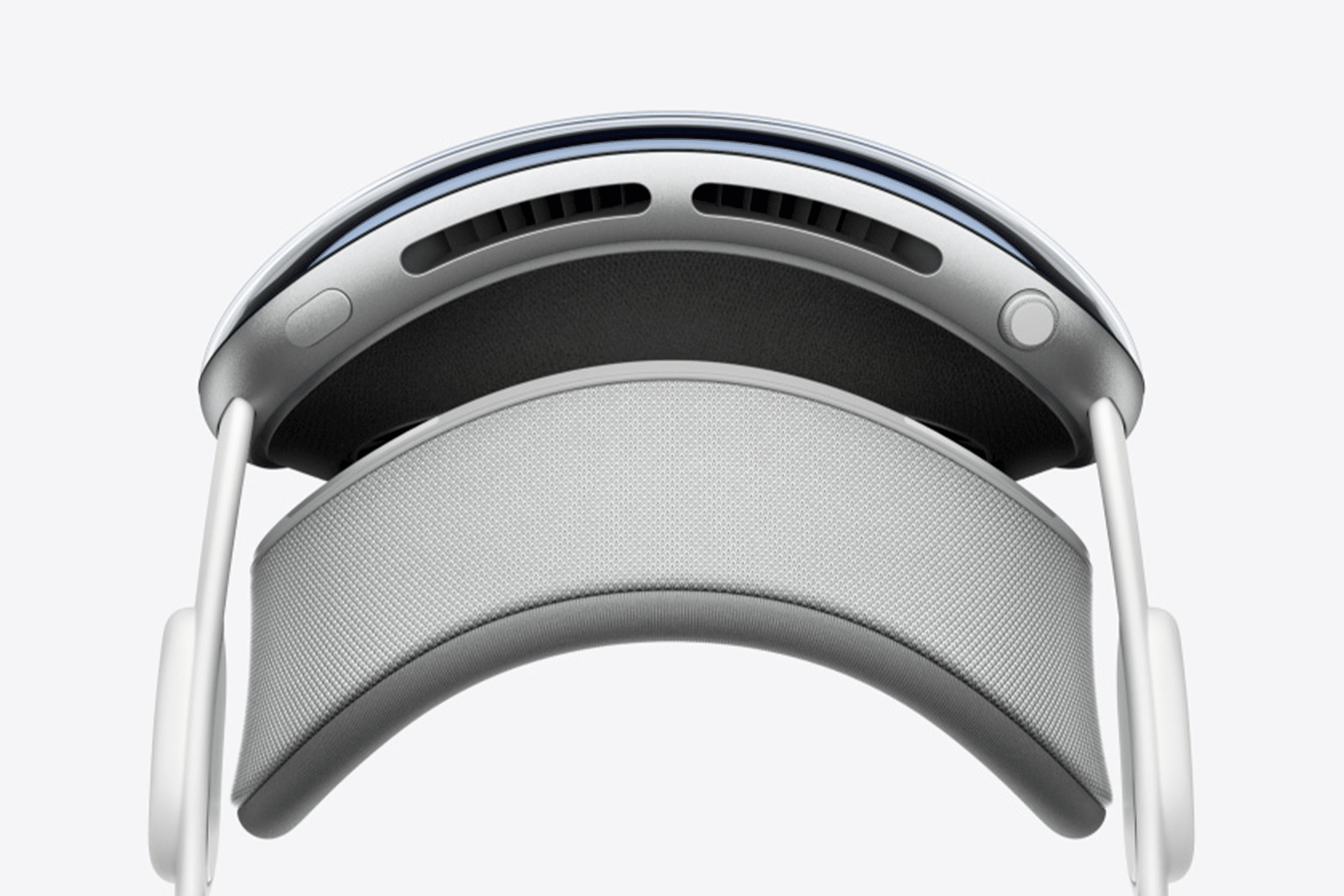
Observers and industry analysts cite several factors contributing to Vision Pro’s slower adoption. The headset’s $3,499 price tag places it well above most consumer VR and AR products, which limits its appeal primarily to early adopters or specialized enterprise users. Additional reported concerns include the device’s weight, comfort issues, limited battery life, and a smaller ecosystem of VisionOS native applications compared with smartphone or tablet platforms.
Limited Geographic Expansion and Market Context
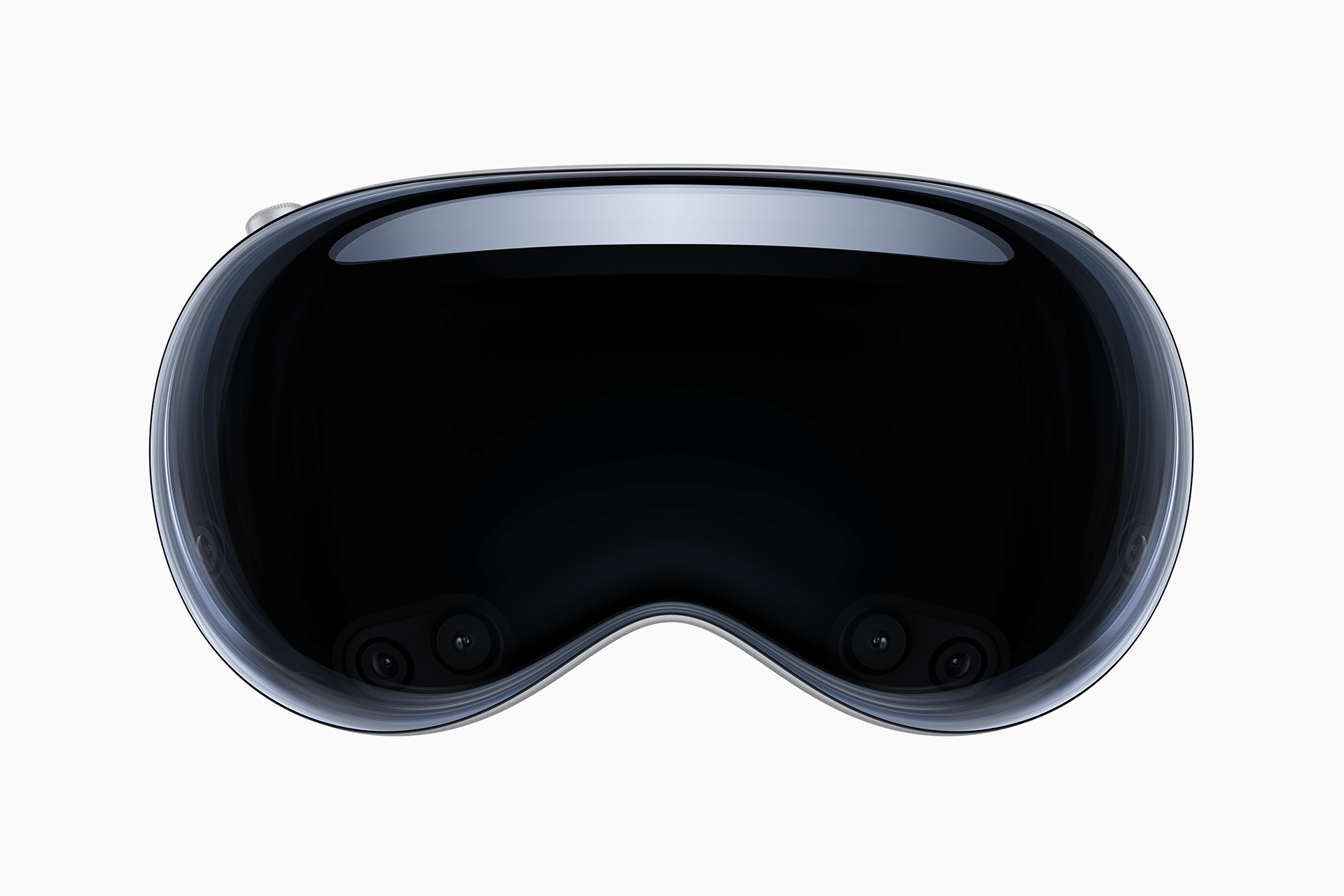
The Vision Pro has remained available only in a modest number of countries since its introduction, which has further constrained potential sales volume. Market data indicate that broader global expansion did not occur in 2025, reinforcing the headset’s niche status. Meanwhile, competitor VR headsets such as Meta’s Quest series continue to dominate market share at significantly lower price points, which analysts see as another challenge for Apple’s high-end headset segment.
Category Trends
Overall, the VR and mixed reality category appears to have softened in recent quarters, with some reports suggesting a year-over-year decline in headset shipments industry-wide. Within this context, Apple’s decision to scale back Vision Pro production and marketing reflects broader market headwinds as well as strategic recalibration. Some industry observers note that Apple may continue to evaluate less expensive or more comfort-focused XR devices as future iterations.
Apple has not issued an official statement regarding these reported production and marketing changes for Vision Pro. The company continues to sell iPhones, iPads, Macs, and other products at scale, and its broader software and platform ecosystem efforts remain central to its long-term plans, even as the Vision Pro’s early commercial performance falls short of initial ambitions.

