

The Apple Watch line continues to evolve not just as a timepiece but as a comprehensive health and connectivity hub that works seamlessly with iPhone, iPad, and the broader Apple ecosystem. In 2026, watchOS 26 delivers deeper health insights and smarter workouts, while Apple improves battery efficiency and display durability across the newest models. These improvements make the Apple Watch not only more useful in daily life but increasingly central to health monitoring and fitness tracking for users of all ages.
Flagship All-Around: Apple Watch Series 11
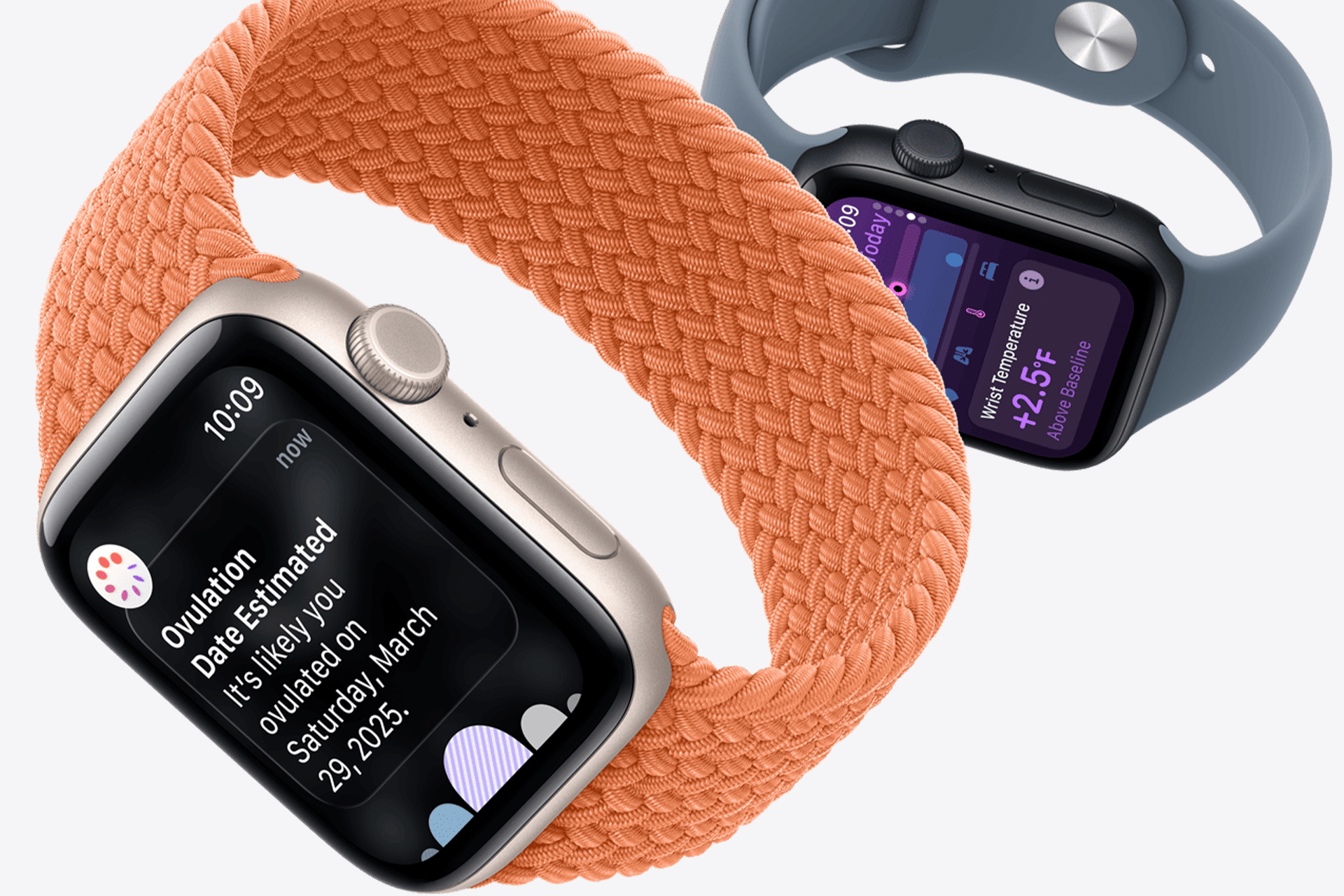
At the center of Apple’s 2025-2026 smartwatch strategy is the Apple Watch Series 11, widely regarded as the best choice for most users. It builds on the strengths of its predecessors with a slimmer design, robust health features including ECG and pulse oximetry, and enhancements like 5G support for faster data when untethered from iPhone. The Series 11 also marks a step forward in battery life, with official ratings showing roughly a full day of active use and extended low-power longevity, making it ideal for everyday wear and work routines.
Series 11’s display remains bright and easily readable in sunlight, and its updated durability features — including a more scratch-resistant front — help it stand up to daily wear. 5G connectivity and advanced health metrics like hypertension alerts and sleep scoring further position it as a smartwatch capable of both lifestyle convenience and wellness insights.

Best Value and Everyday Smartwatch: Apple Watch SE 3
For buyers focused on value without sacrificing a smooth Apple experience, the Apple Watch SE 3 hits a sweet spot in 2026. It shares the same S10 chip as more expensive models, delivering responsive performance and support for the latest watchOS capabilities, including always-on display and gesture controls. While it lacks advanced sensors such as ECG and blood oxygen, the SE 3 delivers core activity tracking, heart rate monitoring, and essential notifications at a significantly lower price point than flagship models.
Battery life on the SE 3 typically matches other standard Apple Watch models with around one day of normal use, with low-power modes extending that for travel or light usage. Its familiar aluminum case and durable Ion-X glass make it a solid daily companion for most Apple users — especially those new to the Apple Watch ecosystem or seeking a secondary device for family members.
Ultimate for Adventure and Endurance: Apple Watch Ultra 3
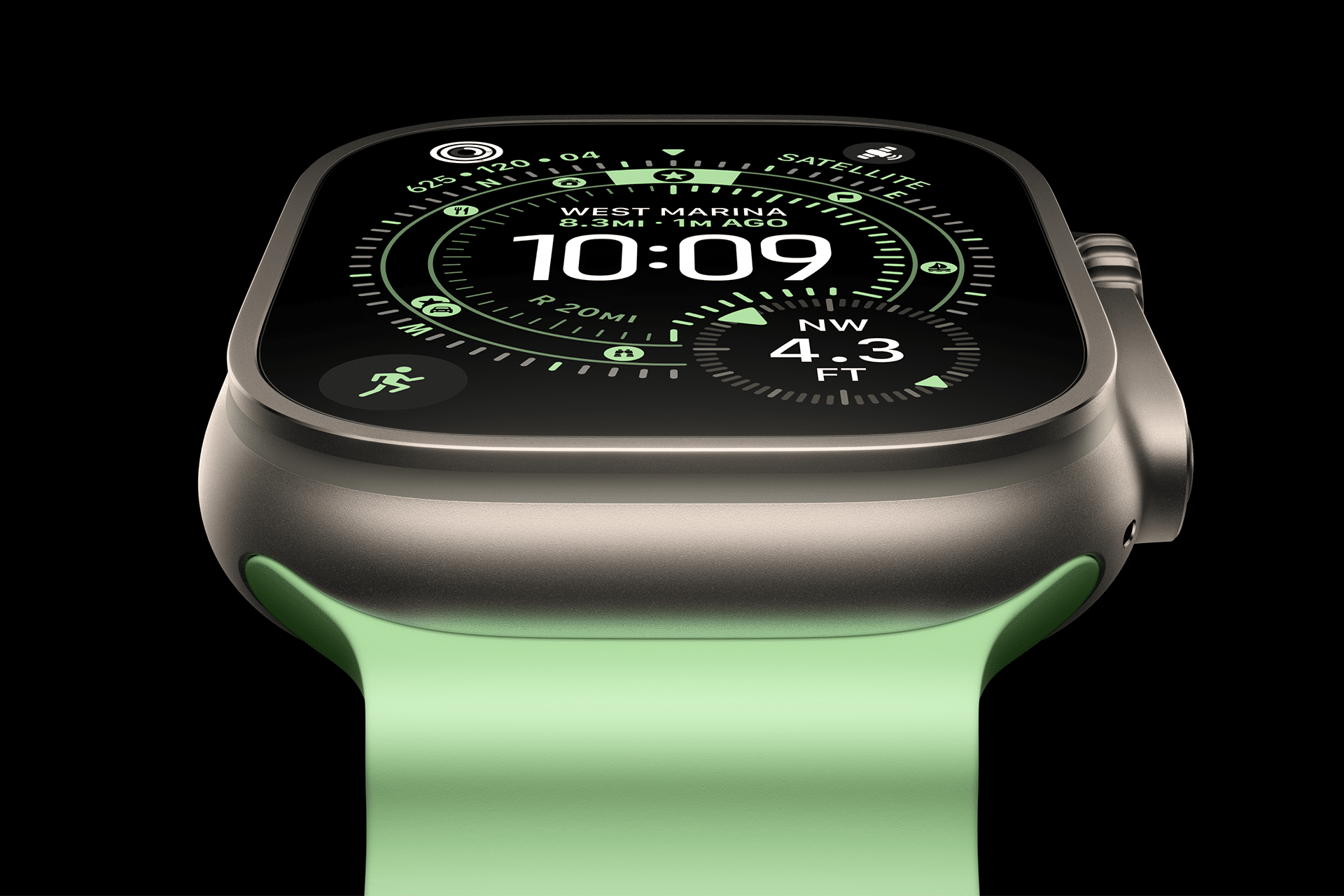
For outdoor adventurers, athletes, and users who push their gear hard, the Apple Watch Ultra 3 continues to define the rugged end of the Apple Watch spectrum. With the longest battery life of any Apple Watch — often exceeding two days in real-world testing and up to 72 hours in low-power mode — Ultra 3 supports extended trips without charging. Standard 5G and satellite connectivity enable communication even when you’re off the grid, while precision dual-frequency GPS improves accuracy for trail and marine navigation.
The titanium case and widened display give Ultra 3 a commanding presence on the wrist, with enhanced water resistance and a dedicated Action button that quickly launches workouts or safety tools like emergency siren and compass waypoints. These features make it a top choice for serious fitness enthusiasts and explorers who demand more from their smartwatch hardware.
Choosing the Right Apple Watch for You
Deciding which Apple Watch to buy in 2026 largely comes down to your use case. If you want the most balanced combination of features, performance, and daily comfort, Series 11 is the standout choice. If you’re seeking value with essential health and connectivity features, the SE 3 offers a compelling proposition. And if battery life, ruggedness, and specialized adventure features matter most, Ultra 3 remains unparalleled in Apple’s lineup. No matter which you choose, each integrates deeply with iPhone and Apple services, reinforcing the ecosystem advantage that Apple users expect and appreciate.


