

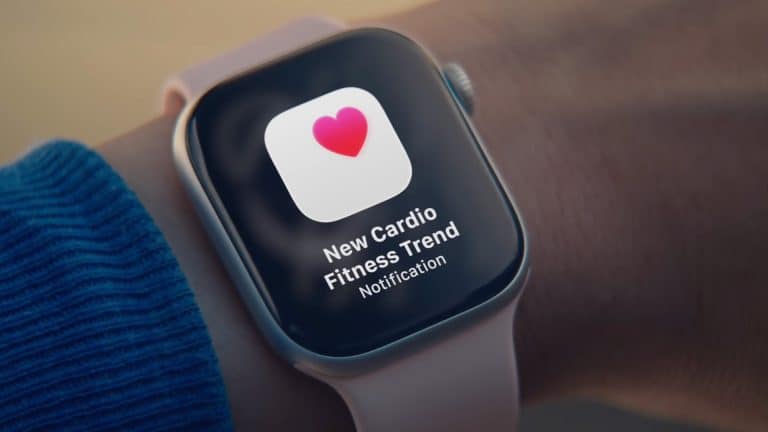
Apple Watch health sensors have turned the device into one of Apple’s most important health tools because it does something traditional checkups cannot do on their own: it watches trends across time. A doctor’s office visit can capture a single moment. Apple Watch can capture heart rate, sleep patterns, movement, temperature changes, oxygen trends, respiratory rate, rhythm alerts, and safety events across days, weeks, months, and years.
That timeline is the real value. A single high heart rate, poor night of sleep, or low cardio fitness estimate may not mean much by itself. A repeated pattern can tell a different story. Apple Watch is not a replacement for a physician, medical testing, or emergency care, but it can help users notice changes earlier and bring clearer information to a healthcare provider.
Apple’s current health features include heart rate tracking, high and low heart rate notifications, irregular rhythm notifications, the ECG app, AFib History, blood oxygen tracking where available, sleep tracking, Sleep Score, sleep apnea notifications, wrist temperature, respiratory rate, Cycle Tracking with retrospective ovulation estimates, cardio fitness estimates, noise alerts, medications, mindfulness, fall detection, and crash detection. Availability varies by model, country, region, and age, and some features are not intended for people with certain existing diagnoses. Apple’s watchOS feature availability page lists health features such as ECG, Blood Oxygen, AFib History, hypertension notifications, irregular rhythm notifications, retrospective ovulation estimates, and sleep apnea notifications by region.
The best way to understand Apple Watch health is not as a diagnosis machine. It is a continuous monitoring layer that helps build a health timeline from the wrist.
Heart Monitoring Is the Watch’s Strongest Health Foundation
Heart tracking is the core of Apple Watch health. The optical heart sensor measures heart rate throughout the day, during workouts, and during rest. The watch can send high and low heart rate notifications when readings cross thresholds while the user appears inactive. It can also send irregular rhythm notifications that may suggest signs of atrial fibrillation, or AFib.
The ECG app adds another layer on supported models. Apple says the ECG app can generate a single-lead electrocardiogram by using electrodes in the Digital Crown and the back crystal. The result can be shared as a PDF with a doctor. The ECG app is not the same as a 12-lead clinical ECG, but it can help identify signs of AFib in supported regions and age groups.
AFib is one of the most important conditions in this category because it can increase stroke risk and may come and go without obvious symptoms. Apple Watch cannot identify every heart rhythm problem, but irregular rhythm notifications, ECG recordings, and AFib History can give users more structured information to discuss with a clinician.
Heart rate trends also matter beyond AFib. Resting heart rate, walking heart rate, workout recovery, and cardio fitness can reflect changes in conditioning, stress, illness, medication effects, dehydration, sleep quality, or overtraining. A rising resting heart rate across several days may be worth noticing if it appears with fatigue, fever, poor sleep, or other symptoms. A sudden chest pain, fainting, severe shortness of breath, or symptoms of stroke should be treated as urgent medical situations, not as something to wait for the watch to confirm.
The timeline is what gives the data context. A user can see whether a change is temporary, repeated, improving, or worsening. That pattern can help a healthcare professional decide whether more evaluation is needed.

Blood Oxygen, Breathing, and Sleep Apnea Signals
Apple Watch can track blood oxygen in supported models and regions, though availability has changed in some markets because of legal and regulatory issues. Blood oxygen, or SpO2, estimates how much oxygen is carried in the blood. It can be affected by sleep, altitude, respiratory illness, fitness, circulation, and measurement conditions.
Apple’s Vitals app can show overnight metrics such as heart rate, respiratory rate, wrist temperature, blood oxygen where available, and sleep duration. Apple says the app establishes a typical range for each metric and can notify users when multiple overnight metrics are outside their usual range, with context such as illness, medication, or other factors.
Respiratory rate during sleep can be useful because breathing changes may appear before a person fully realizes something is wrong. Repeated changes can be relevant for sleep quality, respiratory infections, asthma discussions, fitness recovery, or other medical conversations. Apple Watch does not diagnose lung disease, but it can make breathing trends easier to see.
Sleep apnea notifications are another major health feature. Apple says sleep apnea notifications are intended to detect signs of moderate to severe sleep apnea in people 18 or older who have not already been diagnosed with sleep apnea. The feature is available on Apple Watch Series 9 and later, Apple Watch Ultra 2 and later, and Apple Watch SE 3, depending on region. It is not a diagnosis. It is a prompt to seek evaluation.
Sleep apnea matters because it can affect daytime fatigue, concentration, cardiovascular health, blood pressure, and long-term wellness. Many people do not know they have it because the breathing disruptions happen during sleep. A watch notification can encourage a medical conversation and possible sleep study, which is the kind of follow-up that turns a wrist alert into useful care.
Sleep, Temperature, and Recovery Trends
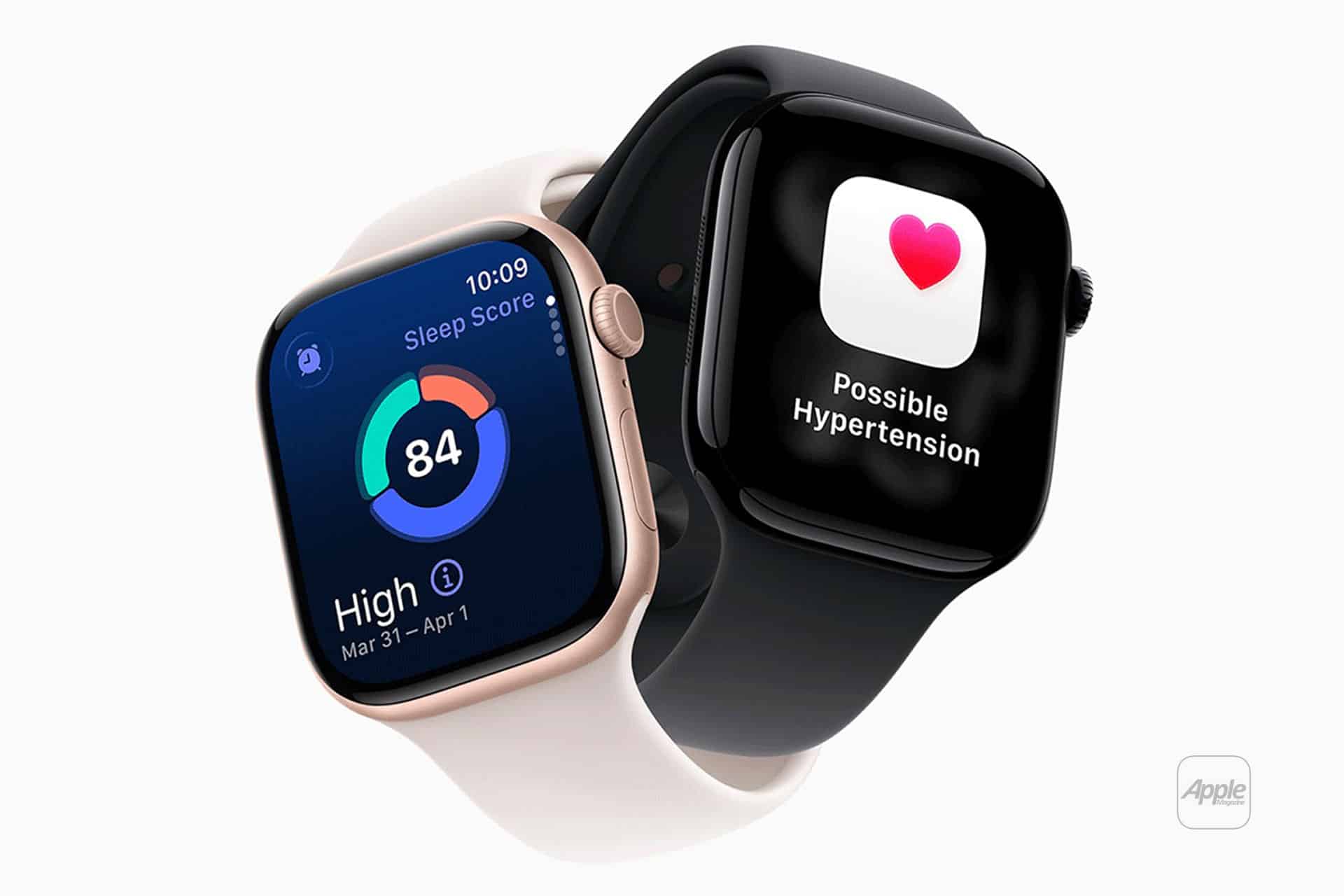
Sleep tracking is one of the most valuable Apple Watch timelines because sleep touches almost every part of health. Apple Watch can track sleep duration, sleep stages, overnight heart rate, respiratory rate, wrist temperature, and blood oxygen where available. With watchOS 26, Apple added Sleep Score to help users understand sleep quality more clearly.
Sleep Score can make the timeline easier to read because many users do not know how to interpret sleep stages on their own. A score is not a medical diagnosis, but it can help people see whether their sleep habits are improving or getting worse. A week of poor sleep after travel may be expected. A month of poor sleep with fatigue, headaches, mood changes, or poor concentration may be worth discussing with a healthcare provider.
Wrist temperature is especially useful because it is tracked overnight against a personal baseline. Apple uses wrist temperature for Cycle Tracking, including retrospective ovulation estimates and improved period predictions. Temperature changes can also appear with illness, alcohol use, travel, poor sleep, or other stressors, though the watch does not diagnose fever or infection.
For menstrual health, the timeline can help users understand cycle patterns over time. Irregular cycles, unexpected bleeding, severe symptoms, or major changes should be discussed with a clinician. Apple’s retrospective ovulation estimates can support family planning awareness, but they should not be treated as a substitute for medical fertility care or contraception guidance.
Recovery is another important use. A person’s overnight temperature, resting heart rate, respiratory rate, and sleep duration can change when the body is under strain. Athletes and active users may use those trends to decide whether to train hard, rest, hydrate, or seek care if symptoms appear.

Hypertension and Long-Term Cardiovascular Risk
Hypertension notifications are one of Apple Watch’s newer major health features. Apple describes the feature as using the optical heart sensor and an algorithm to analyze how blood vessels respond to heartbeats over 30-day periods, looking for patterns that may indicate chronic high blood pressure. Apple notes that the feature is not intended for people under 22, people already diagnosed with hypertension, or pregnant users.
This is important because high blood pressure is often silent. A person can have elevated blood pressure for years without obvious symptoms while risk builds for heart disease, stroke, kidney disease, and other complications. Apple Watch does not replace a blood pressure cuff, and it does not give systolic or diastolic readings. If a hypertension notification appears, Apple and medical coverage around the feature recommend confirming with a standard blood pressure cuff and speaking with a healthcare provider.
The 30-day timeline matters. Blood pressure can vary with stress, caffeine, activity, sleep, medication, illness, and measurement conditions. A long-term pattern is more useful than one isolated moment. Apple’s approach reflects that by looking for chronic patterns rather than trying to turn the watch into a traditional blood pressure monitor.
For treatment, continuous monitoring can support behavior changes even when the Watch is not measuring blood pressure directly. Activity trends, cardio fitness, sleep, heart rate, weight data from compatible sources, medication tracking, and Health app records can help users and clinicians understand whether lifestyle and treatment plans are moving in the right direction.
Movement, Cardio Fitness, and Safety Events
Apple Watch also tracks movement through activity rings, workouts, steps, distance, floors climbed where supported, calories, standing time, pace, heart rate zones, and cardio fitness estimates. These are not only fitness features. They can become health indicators over time.
Cardio fitness is especially important because it estimates how efficiently the heart, lungs, and muscles use oxygen during activity. Low cardio fitness can be associated with higher long-term health risk. Apple Watch can notify users when cardio fitness levels are low for their age and sex. That kind of alert can encourage walking, exercise, medical evaluation, or treatment changes when appropriate.
Movement trends can also reveal decline. A person recovering from illness, surgery, injury, or treatment may see whether walking distance, pace, resting heart rate, or activity minutes are improving. A gradual drop in activity can also signal pain, fatigue, depression, mobility limitations, or other health concerns worth discussing.
Fall detection and crash detection add a safety layer. These features do not track disease, but they can identify emergencies and contact help when the user cannot respond. For older adults, people with mobility issues, cyclists, runners, and drivers, this can be a meaningful part of the health value of the Watch.
Noise monitoring also matters. The Noise app can alert users when environmental sound levels may affect hearing. Hearing loss often builds gradually, and repeated exposure to loud environments can be easy to ignore. A timeline of noise exposure can encourage better hearing protection.

Continuous Monitoring Helps Care, but It Needs Context
Continuous monitoring is useful because health changes often appear as patterns before they become obvious symptoms. Apple Watch can help users see those patterns, share data with doctors, and remember details that would otherwise be hard to recall. That can support conversations about AFib, sleep apnea, hypertension, fitness, recovery, medication effects, stress, sleep, and long-term treatment progress.
The Health app turns those readings into a broader record. Users can review trends, export ECG PDFs, track medications, log symptoms, and share selected health data with clinicians or family members where supported. For chronic conditions, a timeline can help show whether treatment is helping or whether symptoms are returning.
The important limit is that Apple Watch is not a doctor. It does not diagnose most diseases, and some features are screening or wellness tools rather than medical devices. False positives and false negatives are possible. A normal watch reading should not be used to ignore serious symptoms, and an alert should not be treated as a confirmed diagnosis without follow-up.
The best use is collaborative. Wear the Watch consistently, especially during sleep if using sleep and overnight metrics. Keep Health details accurate. Review trends, not only single readings. Share relevant alerts with a clinician. Use medical devices such as blood pressure cuffs, glucose meters, or prescribed monitors when a healthcare professional recommends them.
Apple Watch health sensors are most powerful when they make invisible patterns visible. Heart rhythm changes, poor sleep, possible sleep apnea, low cardio fitness, hypertension patterns, hearing exposure, recovery shifts, and safety events all become easier to track from the wrist. The Watch cannot replace medical care, but it can help people arrive at care earlier, with more context and a clearer timeline of what changed.