


Apple Watch health sensors have become one of Apple’s most inventive hardware stories because the company has repeatedly found simple, human ways to collect meaningful biological signals from the wrist. The ECG app is the clearest example. A user opens the app, rests a finger on the Digital Crown, and Apple Watch creates a closed electrical circuit between the heart and both arms, capturing the electrical impulses that can be analyzed for signs of atrial fibrillation.
That gesture is clever because it turns a medical-style measurement into something ordinary. There is no chest strap, no clinical room, and no complex setup. The watch on the wrist and one finger on the Digital Crown become enough to record a single-lead electrocardiogram in about 30 seconds. It is not a full replacement for medical testing, but it shows how Apple thinks about health technology: take a signal that used to require specialized equipment, simplify the interaction, and make it available during daily life.
That approach has already expanded beyond ECG. Apple Watch now tracks heart rate, irregular rhythm notifications, high and low heart rate alerts, blood oxygen where available, wrist temperature, sleep stages, sleep apnea notifications, cycle tracking, cardio fitness, fall detection, crash detection, and hypertension notifications on supported models. The next stage will likely be less about one dramatic sensor and more about combining better sensors, longer trend data, and Apple Intelligence-style interpretation into a stronger preventive health platform.

Apple Watch Health Sensors Started With the Wrist
Apple Watch works because the wrist is a practical place to measure the body. It is not perfect. The wrist moves constantly, skin tone and tattoos can affect optical readings, fit matters, temperature varies, and medical-grade accuracy is hard to achieve in a consumer device. But the wrist is where a sensor can stay with the user all day and all night.
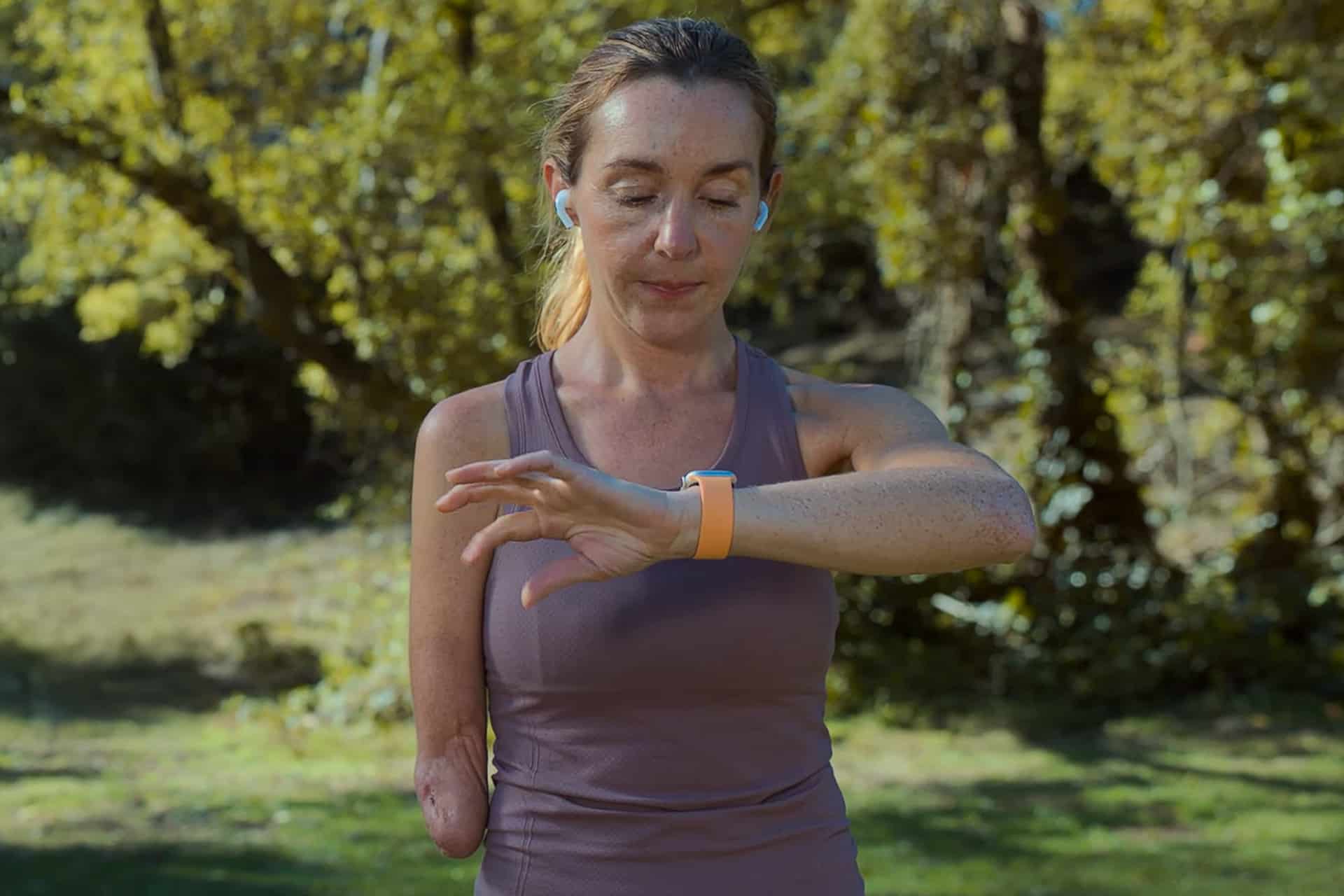
The ECG feature shows Apple’s best version of that idea. The electrical heart sensor is built into the back crystal and Digital Crown. When the user touches the crown, the watch measures electrical signals across the body through the wrist and finger. That creates a simple interaction that feels almost magical, even though the principle is familiar in medicine.
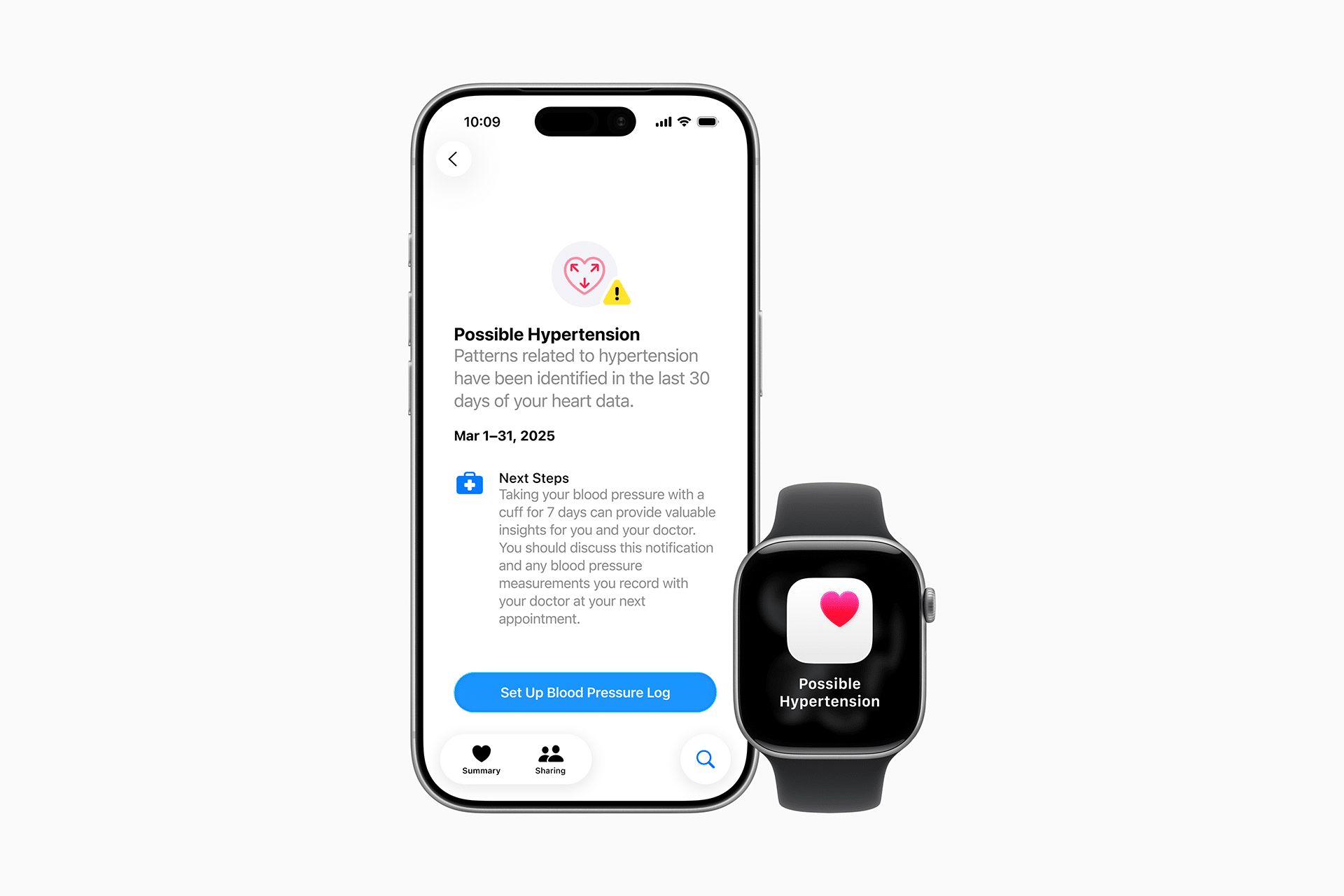
Apple’s optical heart sensor uses a different method. It relies on photoplethysmography, or PPG, which uses light to detect changes in blood flow through the skin. That data supports heart rate readings, workout tracking, irregular rhythm notifications, and newer long-term insights. The same broad approach now supports hypertension notifications on newer models, where Apple looks for patterns that may indicate chronic high blood pressure over time rather than giving a traditional blood pressure reading.
This is where Apple’s health strategy becomes important. The company is not always trying to replace a doctor’s tool directly. It is often trying to identify patterns early enough that users can have better conversations with clinicians. A watch does not need to become a hospital device to be useful. It needs to notice meaningful changes that would otherwise be missed.
Blood Pressure Trends Are the Most Realistic Next Step
Blood pressure is one of the most important areas for Apple Watch because hypertension is common, often symptomless, and strongly connected to heart disease, stroke, kidney disease, and other major health risks. Apple has already moved into this space with hypertension notifications, but the next step would be deeper trend detection and better guidance.
The current approach does not give systolic and diastolic numbers like a traditional cuff. Instead, Apple Watch analyzes long-term optical heart sensor data to identify patterns that may suggest signs of chronic high blood pressure. That is a practical compromise because true cuffless blood pressure measurement from the wrist is technically difficult.
The next big improvement could come from better algorithms, improved optical sensors, more consistent overnight readings, and stronger trend analysis. Apple may eventually help users understand when blood pressure patterns are changing, whether lifestyle shifts appear connected to those trends, and when it may be worth using a traditional cuff or speaking with a clinician.
A full blood pressure reading directly from Apple Watch would be a major breakthrough, but a trend-based system is more realistic in the near term. It fits Apple’s cautious health style: notify users about possible risk without pretending the watch is a diagnostic replacement.

Glucose Monitoring Is the Biggest Long-Term Goal
Noninvasive glucose monitoring remains the most ambitious Apple Watch health target. A watch that could track blood sugar trends without a skin puncture would be one of the most important consumer health breakthroughs in years. It could help people with diabetes, people at risk of metabolic disease, and users trying to understand how food, sleep, stress, and activity affect their body.
Apple has reportedly worked on noninvasive glucose monitoring for many years, but the feature remains difficult and unannounced. The challenge is not only detecting glucose. It is detecting it accurately and consistently through the skin, across different bodies, temperatures, movements, hydration levels, and daily conditions. Medical reliability matters because incorrect glucose information can lead to unsafe decisions.
The more realistic first version may not be a medical glucose reading. Apple could begin with trends, risk signals, or integration with external continuous glucose monitors before moving toward a true noninvasive sensor. Apple Watch can already display data from compatible glucose devices through third-party apps, but built-in noninvasive monitoring would be a different level of product.
If Apple ever solves it, glucose could become the next ECG-level moment for Apple Watch. It would move the device from heart and fitness monitoring into metabolic health, one of the largest areas of preventive care. But it is also the feature that requires the most caution because the stakes are high and regulatory approval would be demanding.
Hydration and Temperature Could Become Recovery Signals
Hydration is another possible direction, though it is rarely discussed with the same excitement as glucose or blood pressure. A watch that could estimate hydration trends, fluid shifts, or dehydration risk would be useful for athletes, older adults, people working in heat, travelers, and anyone managing wellness through sleep and exercise.
This may not require a single “hydration sensor” in the simple sense. Apple could combine skin temperature, heart rate, heart rate variability, sweat-related signals, activity, environmental conditions, and user input to estimate when hydration may be affecting performance or recovery. The challenge is accuracy. Hydration is complicated, and wrist data may only provide indirect clues.
Skin temperature is already part of Apple Watch health tracking, especially for cycle tracking and sleep-related trends. Future models could use temperature data more broadly, helping users understand recovery, illness signals, heat exposure, sleep quality, or changes from normal baselines.
The key will be avoiding overstatement. A watch should not tell users they are sick based only on a temperature shift. But it could show changes from a personal baseline and encourage users to pay attention when several signals move together.
Stress and Nervous System Tracking
Stress monitoring is likely to become one of the next major software-driven health areas for Apple Watch. The device already collects signals connected to the nervous system, including heart rate, heart rate variability, sleep patterns, respiratory rate, activity, and mindfulness sessions. With stronger AI models, Apple could turn those signals into clearer stress, recovery, and resilience insights.
Many wearables already offer stress scores or readiness scores, but Apple has been more cautious. That caution makes sense because stress is not a simple number. A high heart rate can mean exercise, excitement, anxiety, caffeine, heat, illness, or poor sleep. A useful stress feature needs context, not just a score.
Apple could take a more careful path by showing trends rather than labeling emotions. For example, Apple Watch could identify when the body appears under strain, when recovery is poor, when sleep and heart data suggest elevated load, or when breathing and mindfulness exercises may help reset. This would fit Apple’s health style better than a dramatic “stress detected” alert.
Apple Intelligence could eventually make this more useful by connecting health data to routines. If a user sleeps poorly, has elevated resting heart rate, and shows lower recovery, the watch could suggest a lighter workout, earlier bedtime, or a breathing session. The goal would be supportive guidance, not medical diagnosis.
Respiratory Health and Sleep Could Keep Expanding
Sleep apnea notifications already show how Apple can use existing sensors to identify important health patterns. Apple Watch looks at breathing disturbances during sleep and can notify users if signs of moderate to severe sleep apnea appear over time. This is another example of Apple turning passive nightly data into a prompt for medical follow-up.
The next step could be richer respiratory health trends. Apple Watch already estimates respiratory rate during sleep and tracks blood oxygen where available. Combined with motion, heart rate, and sleep data, future versions could provide more insight into breathing quality, recovery, altitude response, illness trends, or changes that appear after travel or exercise.
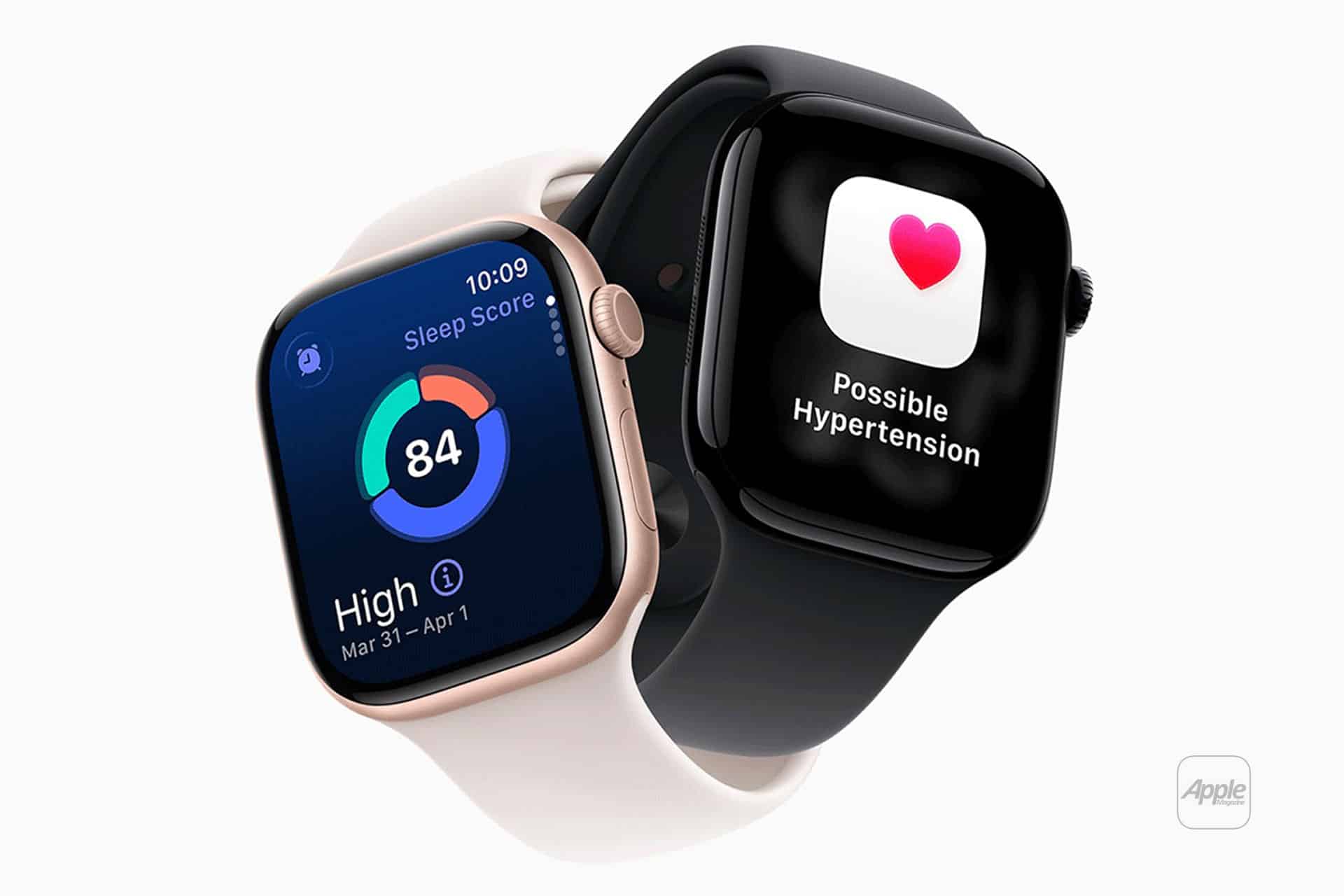
Sleep itself is also becoming a larger health signal. Apple added Sleep Score to help users understand rest more easily, but the next phase could be more personal. Instead of only showing stages and duration, Apple could explain what may have affected sleep: late workouts, irregular schedules, alcohol intake if logged, stress, room temperature, travel, or inconsistent bedtime routines.
The challenge is making the insights useful without becoming preachy. A good Apple Watch health feature should help users understand patterns and make small changes. It should not turn every morning into a lecture.
Blood Oxygen Could Return as a Bigger Story
Blood oxygen has been complicated for Apple because of patent disputes in the U.S., but the sensor remains part of the broader Apple Watch health conversation where available. Blood oxygen can be useful for wellness context, altitude adaptation, respiratory changes, and sleep-related patterns, though Apple’s feature is not intended for medical diagnosis.
Future blood oxygen features could become more integrated with sleep, fitness, and respiratory trends if Apple resolves availability issues and improves sensor consistency. The real value may come less from spot checks and more from how oxygen saturation changes over time, especially during sleep, workouts, or recovery.
This is another area where Apple’s trend-based approach matters. A single reading can be noisy. A pattern over weeks may be more useful. Apple Watch is strongest when it collects enough data to show how a user’s normal baseline is changing.
More Sensors May Matter Less Than Better Interpretation
The next big Apple Watch health breakthrough may not come from a single new sensor. It may come from better interpretation of the sensors already on the wrist. ECG, optical heart rate, blood oxygen, temperature, accelerometer, gyroscope, altimeter, GPS, microphone, and sleep tracking already generate a large amount of data. The hard part is turning that data into something useful and trustworthy.
This is where Apple Intelligence could become important. A future Apple Health experience could explain trends in plain language, connect symptoms or habits to data, summarize long-term changes, and prepare reports that users can share with clinicians. That may be more valuable than adding another raw metric.
For example, instead of showing only heart rate variability, sleep score, and resting heart rate separately, Apple could explain that the user’s recovery has been lower than usual for several days and suggest checking sleep, hydration, stress, or training load. Instead of only sending a hypertension notification, Apple could help the user prepare a blood pressure log for a doctor visit.
The risk is that health AI must be extremely careful. Apple cannot make unsupported diagnoses or give unsafe medical advice. The right approach is guidance, pattern recognition, education, and prompts to seek professional care when appropriate.
The Next Apple Watch Health Moment
The next major Apple Watch health sensors will likely arrive in stages. Blood pressure trend monitoring is the most realistic near-term expansion because Apple has already moved in that direction. Glucose monitoring is the biggest long-term prize, but it remains technically and medically difficult. Stress, recovery, hydration, sleep, respiratory health, and temperature insights may grow through a mix of better sensors and smarter software.
Apple’s advantage is not only miniaturization. It is the ability to turn complex health signals into simple gestures and understandable prompts. The ECG app proved that with one finger on the Digital Crown. Hypertension notifications show the same idea through long-term background monitoring. Sleep apnea notifications show how nightly patterns can become a useful health signal.
The future Apple Watch may not feel like a device covered in new visible sensors. It may look familiar while quietly becoming better at reading the body over time. The real breakthrough will be when the watch can connect heart, sleep, respiratory, temperature, activity, and metabolic signals into a clearer picture of daily health without overwhelming the user.
That is the next Apple Watch health challenge: not only measuring more, but knowing when a small signal from the wrist is important enough to help someone act.