

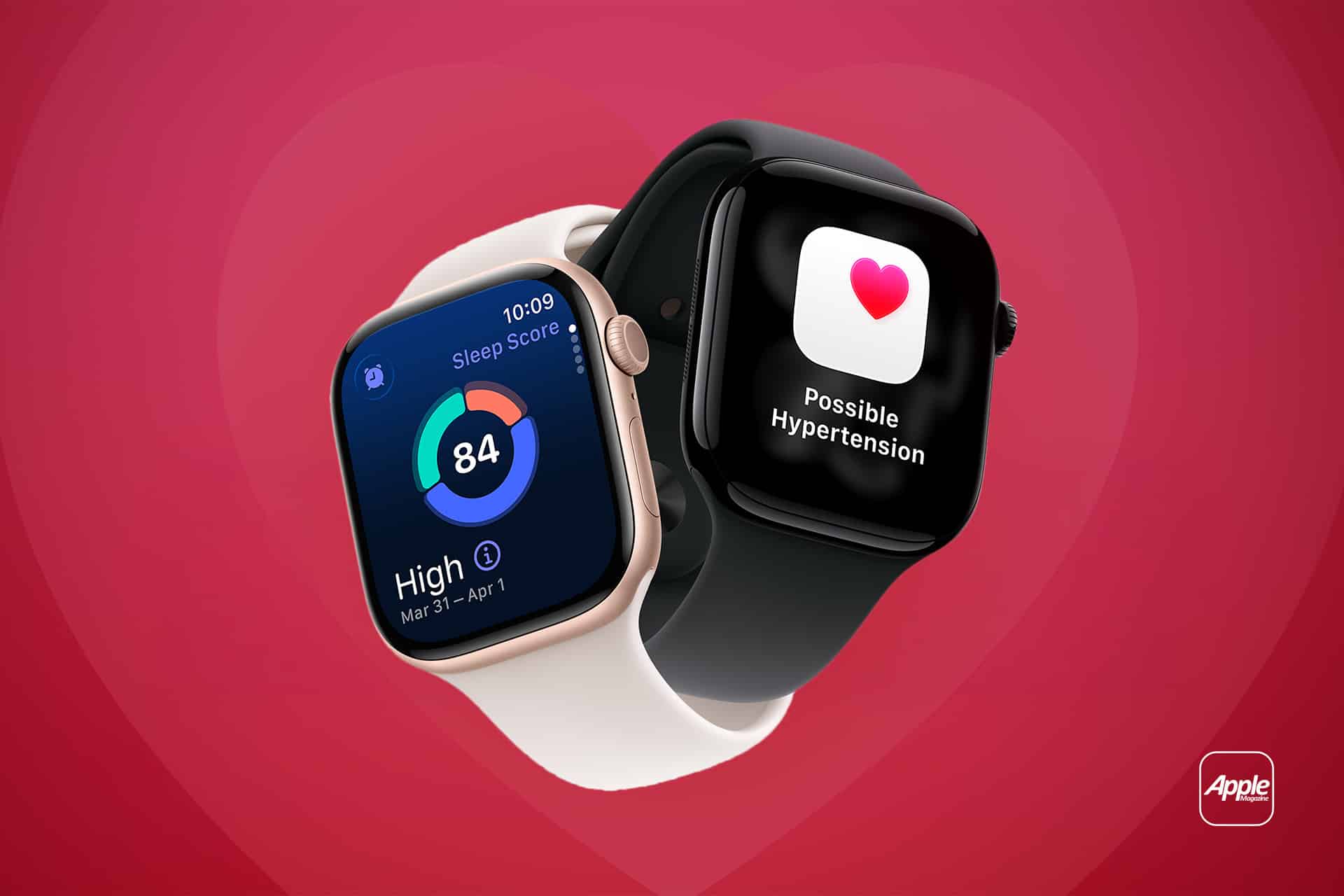
Apple Watch import ban concerns took a major turn in Apple’s favor after the U.S. International Trade Commission declined to review an earlier finding that Apple’s redesigned watches do not infringe Masimo patents tied to blood-oxygen monitoring technology. The decision closed Masimo’s latest case at the trade agency and removed the immediate threat of a renewed U.S. import ban on the updated Apple Watch models.
The ruling matters because the Apple Watch has spent more than two years under legal pressure tied to Masimo’s pulse oximetry patents. In 2023, the ITC found that certain Apple Watch models infringed Masimo patents and issued an import ban affecting Apple Watch Series 9 and Apple Watch Ultra 2. Apple responded by removing the blood oxygen feature from U.S. models at the time, allowing sales to continue while it challenged the broader dispute.
The newest decision is different because it focuses on Apple’s redesigned approach. Apple later reintroduced a revised blood oxygen feature in the U.S. after receiving approval from U.S. Customs and Border Protection. That redesigned implementation moved key processing away from the watch itself and changed how the feature operated.
Masimo argued that the revised watches should still be blocked, but the ITC judge’s preliminary March ruling found that Apple’s updated design did not infringe. On April 17, the commission declined to review that finding, effectively leaving Apple’s win in place.
Apple Watch Avoids a Renewed Ban
For Apple, the decision removes a cloud over one of its most important wearable products. The Apple Watch is not only a fitness accessory anymore. It is part of the company’s health, safety, communication, and services strategy. Any renewed import ban would have created another disruption in the U.S. market, especially for premium models where health sensors remain part of the product identity.
The ITC’s decision does not erase the broader legal battle with Masimo. The two companies remain locked in multiple disputes, and Masimo may still appeal the latest ITC outcome to the U.S. Court of Appeals for the Federal Circuit. Reuters has also reported that Masimo is challenging the Customs decision that allowed Apple to reintroduce the redesigned feature. Still, the latest trade ruling gives Apple a significant operating win because it keeps the redesigned watches available while those other fights continue.
This is exactly the kind of legal distinction that can confuse buyers. The Apple Watch was not banned as a product category. The dispute centered on specific blood oxygen technology and whether certain implementations infringed Masimo’s patents. Apple’s redesigned version is now the center of the current U.S. availability story. The ITC’s refusal to reopen the case means Apple can continue selling updated watches without facing a fresh import block from this proceeding.
The Blood Oxygen Feature Remains the Core Issue
The legal conflict began around pulse oximetry, the technology used to estimate blood oxygen levels. Masimo, a medical technology company known for hospital-grade monitoring systems, has long accused Apple of improperly using its technology and hiring employees with knowledge of its work. Apple has denied wrongdoing and has continued fighting the claims across different legal venues.
The dispute became especially visible in late 2023, when the ITC import ban forced Apple to briefly pause sales of affected Apple Watch models in the U.S. Apple then resumed sales after disabling the blood oxygen feature domestically. For customers, that created an unusual situation: the hardware remained available, but one health feature was missing or altered depending on timing and region.
Apple’s redesigned feature changed that. The updated approach allowed blood oxygen readings to return in a modified form, with processing handled through iPhone rather than entirely on the watch. U.S. Customs approved that redesign, and the ITC has now declined to disturb the March finding that the revised watches do not infringe Masimo’s patents.
This gives Apple a clearer path forward for current and future Apple Watch models. It also shows how Apple can use hardware and software changes to navigate patent restrictions without abandoning a product category. That flexibility is one of Apple’s strengths. When a feature faces legal or regulatory obstacles, the company can often redesign the experience across device, software, and cloud layers.

A Larger Fight Around Health Technology
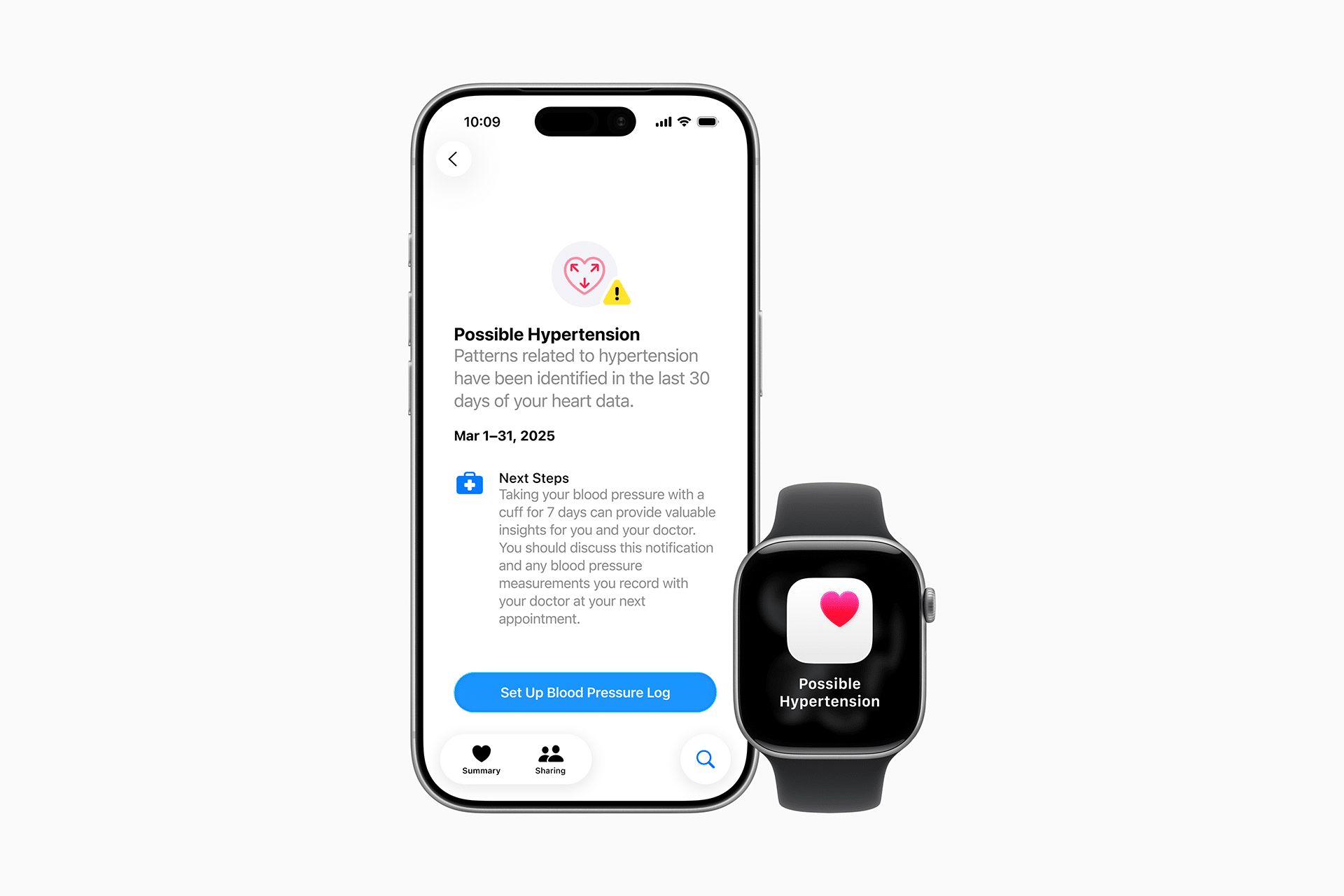
The Apple-Masimo dispute is part of a larger question around consumer health technology. The Apple Watch has moved steadily into territory once dominated by medical and specialized monitoring companies. Heart rate tracking, ECG, irregular rhythm notifications, temperature sensing, blood oxygen readings, fall detection, and emergency features all bring health-adjacent tools to the wrist.
That expansion creates tension. Apple wants to make health features more approachable through consumer devices. Medical technology companies want to protect decades of specialized research and patent portfolios. The overlap is not easy to manage because the Apple Watch sits between categories: it is not a hospital device, but it increasingly touches health behaviors that once required dedicated equipment.
Masimo’s separate federal patent case also remains important. Reuters reported that Masimo won $634 million in damages in a different patent trial, a verdict Apple plans to appeal. That means Apple’s latest ITC win does not end the full legal conflict. It does, however, protect Apple from the most disruptive immediate outcome in this particular trade case: a renewed import ban.
For Apple, avoiding import disruption matters as much as the legal symbolism. The Apple Watch depends on steady retail availability, holiday sales cycles, carrier and retail partnerships, and customer confidence. Another ban would have created uncertainty just as wearables remain an important part of Apple’s device ecosystem.
What the Decision Means for Apple Watch Buyers
For buyers, the practical result is simple: Apple’s redesigned watches can continue being offered in the U.S. under the current legal status. The feature set may still vary by model, region, software version, and the specific implementation Apple is allowed to provide, but the newest ITC decision removes the latest attempt to stop imports of the redesigned watches.
Anyone buying an Apple Watch should still check Apple’s official product pages for the exact features available in their country. Health features often vary by region because of regulation, software approval, and local availability. Blood oxygen functionality has already been an unusual case in the U.S. because of the Masimo dispute.
The bigger picture is that Apple has secured breathing room. The company can keep selling its current watches, keep refining the redesigned blood oxygen approach, and continue developing future health features while the remaining legal battles move through courts and appeals.
The Apple Watch remains one of Apple’s most strategically important products because it brings the company closer to health, safety, fitness, and daily communication than almost any other device. The ITC decision does not close every chapter with Masimo, but it protects Apple’s ability to keep that strategy moving in the U.S. market while the legal fight continues elsewhere.
