

Recovery has become part of everyday fitness language. Instead of focusing only on calories burned or miles logged, many people now look at how prepared their body feels for the next effort. Apple Watch recovery insight builds on that idea by tracking physiological signals continuously rather than asking the user to interpret fatigue alone.
The device does not present a single “recovery score” in the traditional sense. Instead, it gathers data points — heart rate variability, resting heart rate, respiratory rate, sleep duration, and sleep stages — and displays them through the Health app. Interpreting recovery becomes a matter of observing patterns rather than reacting to a single number.
How Heart Rate Variability Signals Recovery
Heart rate variability, often abbreviated as HRV, measures the variation in time between individual heartbeats. Contrary to what many assume, a perfectly steady heartbeat is not the goal. Greater variability generally indicates that the autonomic nervous system is responsive and adaptable. Lower variability may reflect stress, illness, fatigue, or insufficient recovery.
Apple Watch captures HRV using optical heart sensors. Measurements are typically recorded during periods of low activity, such as overnight or during mindful breathing sessions. The data appears inside the Health app under Heart Rate Variability, expressed in milliseconds.
When HRV trends upward over time, it often corresponds with improved recovery and lower systemic stress. When HRV drops consistently, it may suggest that the body is under strain. What matters most is not comparison with others, but comparison with personal baselines.
Because HRV fluctuates naturally day to day, observing weekly or monthly trends provides clearer insight than reacting to a single reading.

Sleep Data and Recovery Interpretation
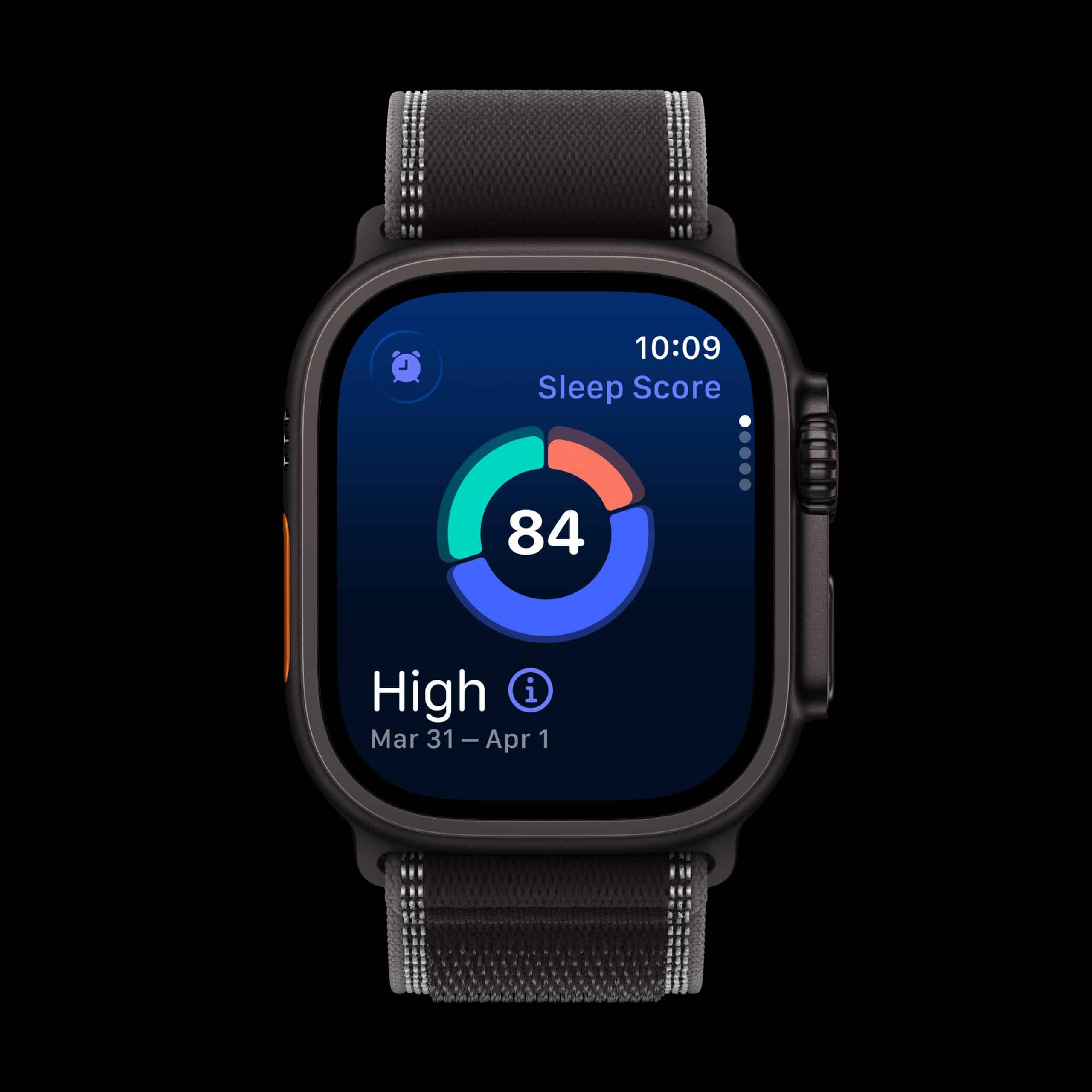
Sleep is the second major pillar of Apple Watch recovery insight. Through wrist-based motion detection and heart rate monitoring, the watch estimates sleep duration and distinguishes between stages such as core sleep, deep sleep, and REM.
Consistent sleep duration supports recovery by allowing hormonal balance, muscle repair, and neurological reset. Deep sleep stages are particularly associated with physical restoration. REM sleep contributes to cognitive processing and emotional regulation.
The Health app combines sleep stage breakdown with overnight vitals. These may include resting heart rate changes, respiratory rate patterns, and wrist temperature variations. Subtle shifts in these signals can reflect how the body responds to stress, illness, or intense training.
For example, elevated resting heart rate combined with reduced HRV and shorter sleep duration may indicate that the body has not fully recovered. Conversely, stable resting heart rate and steady HRV alongside consistent sleep suggest readiness for activity.

Recovery in Context of Activity
Apple Watch also tracks workouts, active calories, and movement trends. While recovery metrics are not displayed as a single composite readiness score, users can interpret them alongside Activity data.
After several days of intense exercise, HRV may temporarily dip while resting heart rate rises slightly. This does not automatically signal a problem. It may reflect normal physiological adaptation. Persistent deviations from baseline, however, could signal overtraining or insufficient rest.
Because Apple Watch collects data continuously, it allows users to observe these patterns without external equipment. The value lies in long-term consistency rather than isolated spikes.
Limitations and Accuracy
HRV measurement at the wrist differs from clinical ECG-based methods, though Apple Watch includes ECG capability for rhythm detection. Optical sensor readings can be influenced by motion, skin contact, and environmental factors.
Sleep stage detection relies on motion and heart rate data rather than direct brainwave monitoring. While useful for trend analysis, it does not replace laboratory sleep studies.
Recovery insight should therefore be treated as directional information. The purpose is to reveal patterns and encourage awareness rather than provide medical diagnosis.

Using Trends Instead of Daily Judgment
Apple Watch recovery insight works best when viewed over time. A single low HRV day does not define readiness. A short night of sleep does not automatically compromise performance. Trends reveal more than isolated values.
By integrating heart rate variability, sleep data, and resting heart rate trends, Apple Watch provides a framework for understanding how the body responds to stress and rest. The interpretation remains personal. The data becomes meaningful when viewed against one’s own historical baseline rather than external benchmarks.
Recovery tracking through Apple Watch reflects a broader shift in wearable technology. Instead of focusing exclusively on output — distance, pace, calories — it highlights the body’s response to effort. That balance between activity and restoration shapes how users approach training, rest days, and daily energy management.


