

AppleCare+ may be Apple’s most overlooked recurring service because it does not look like entertainment, cloud storage, fitness, music, or news. It is not something users open every day. It does not create a playlist, stream a show, store a photo library, or add a new feature to iPhone. It sits quietly behind the device until something breaks, cracks, spills, drains, disappears, or stops working.
That quiet role is exactly why AppleCare+ matters. As Apple devices become more expensive, more personal, and more central to daily life, protection has become part of the ownership experience. A cracked iPhone screen is not only a repair. A broken MacBook is not only a hardware problem. A damaged Apple Watch, lost iPad, or failing battery can interrupt work, school, travel, payments, photos, communication, health tracking, and everything else tied to the ecosystem.
AppleCare+ turns that risk into a recurring service. It gives users extended coverage, Apple-certified repairs, battery service when eligible, priority support, and accidental damage protection subject to service fees. For iPhone, iPad, and Apple Watch, Apple also offers theft and loss coverage through eligible plans and AppleCare One, with Find My required at the time the device is lost or stolen and throughout the claims process.
AppleCare+ as a Recurring Service
AppleCare+ used to feel like an add-on bought at checkout. Now it increasingly looks like part of Apple’s services business. Users can pay monthly, annually, or through fixed-term options where available, depending on the device, country, and plan. AppleCare One goes further by bundling protection for multiple products into a single monthly plan.
In the U.S., AppleCare One starts at $19.99 per month for up to three products, with additional devices available for $5.99 per month each. It includes the core AppleCare+ benefits, including unlimited repairs for accidental damage such as drops and spills, 24/7 priority support, Apple-certified service, and battery coverage. It also expands theft and loss protection to iPhone, iPad, and Apple Watch within the plan.
That makes AppleCare+ different from a normal warranty extension. A warranty covers defects. AppleCare+ is built around the reality that users drop devices, spill liquids, wear batteries down, crack screens, misplace products, and need quick help from the company that made the hardware.
The recurring model also fits Apple’s broader business direction. The company already has monthly relationships through iCloud+, Apple Music, Apple TV, Apple Arcade, Apple Fitness+, Apple News+, and Apple One. AppleCare+ adds another kind of subscription: not content, but confidence.

Why AppleCare+ Is Easy to Ignore Until It Is Needed
AppleCare+ is overlooked because users think about it only at two moments: when buying a device and when something goes wrong. Between those moments, the plan can feel invisible. That is also what makes it valuable. The service is not meant to be entertaining. It is meant to make a bad day less expensive and less chaotic.
A user with a cracked iPhone screen wants the repair to be fast, official, and predictable. A MacBook user with battery issues wants support from Apple rather than a confusing third-party repair path. An Apple Watch user with accidental damage wants a clear service option. A traveler with a lost iPhone wants a replacement path tied to Find My and Apple’s claims system.
Without coverage, repair costs can be high, especially for premium devices. AppleCare+ does not make every repair free, and service fees still apply for accidental damage, theft, and loss claims. But it can make the cost more predictable and keep the repair inside Apple’s service network.
That predictability is the selling point. Apple sells devices as integrated products. AppleCare+ extends that integration into the repair experience. The same company that designs the hardware, software, battery system, display, cameras, sensors, and security model also controls the service path.
The iPhone Makes the Case Most Clearly
iPhone is the easiest product for AppleCare+ to justify because it is carried everywhere and used constantly. It is also one of the most exposed Apple devices. It goes into pockets, bags, cars, gyms, restaurants, sidewalks, school desks, bathrooms, kitchens, beaches, airports, and crowded public spaces.
Drops and spills are not rare edge cases. They are part of real iPhone ownership. The more expensive the iPhone, the more repair protection matters. A Pro model with a premium display, advanced cameras, and high storage can be a major investment.
AppleCare+ with Theft and Loss adds another layer for iPhone users in markets where the plan is available. Apple says theft and loss coverage requires Find My to be enabled on the device at the time it is lost or stolen and throughout the claim process. That ties AppleCare+ directly to Apple’s security ecosystem, making Find My not only a location feature but part of the insurance-like replacement process.
To check Find My on iPhone:
Settings > Apple Account > Find My > Find My iPhone > On
That requirement matters because users cannot treat theft and loss coverage as separate from device security. The protection works best when Find My, Activation Lock, Face ID or Touch ID, Stolen Device Protection, and AppleCare+ all operate together.

AppleCare One Makes the Service More Interesting
AppleCare One is the clearest sign that Apple sees device protection as a broader recurring service. Instead of attaching coverage to one device at a time, the plan lets users protect multiple products together. That is especially useful for people who own an iPhone, iPad, Apple Watch, Mac, AirPods, or other eligible Apple products and want one protection plan rather than separate decisions for every purchase.
The plan also changes timing. Traditional AppleCare+ usually has to be added when buying a new device or within a limited window after purchase. AppleCare One allows users to add eligible products they already own, subject to age, condition, diagnostics, and Apple’s plan rules. That makes protection feel less like a checkout decision and more like an account-level service.
For Apple, this is smart. Many users do not think seriously about protection until after they have used a device for a while. AppleCare One gives Apple another chance to bring those users into a recurring plan. It also encourages people with multiple Apple products to see protection as part of the ecosystem rather than a separate warranty for each device.
For users, the value depends on how many devices they own and how risky their usage is. A person with one desktop Mac may not need a monthly plan. A person with an iPhone, iPad, Apple Watch, and AirPods used daily may find the bundle easier to justify.
Mac, iPad, Watch, and AirPods Each Have Different Risk
AppleCare+ does not have the same value for every product. The decision depends on how the device is used, how portable it is, how expensive it is to repair, and how likely it is to be damaged.
MacBook users may benefit because laptops move between desks, bags, coffee shops, schools, offices, and flights. A cracked screen, liquid spill, or battery issue can be expensive and disruptive. Desktop Mac users may face lower accidental damage risk, but AppleCare+ can still help with extended support and repairs.
iPad users may benefit if the device is carried often, used by children, used with Apple Pencil, taken to school, used for work, or held without a keyboard case. A large iPad Pro can be expensive to repair, and the thin glass design makes protection more relevant.
Apple Watch is small but exposed. It is worn during workouts, sleep, travel, outdoor activity, and daily movement. It can hit doors, gym equipment, desks, and walls. AppleCare+ can make sense for users who rely on Apple Watch for health tracking, notifications, Apple Pay, workouts, and safety features.
AirPods are different. They are easy to lose, wear down through battery aging, and live in pockets, bags, gyms, and travel cases. AppleCare+ for headphones may be most useful for battery and service coverage, though loss is usually not covered in the same way as iPhone theft and loss unless part of a broader eligible plan.
The point is not that every Apple product needs AppleCare+. The point is that Apple has turned protection into a product category of its own.

AppleCare+ Strengthens Apple Store Loyalty
AppleCare+ also keeps users closer to Apple Stores and Apple-authorized service providers. That matters because repairs are part of the brand experience. A good repair can preserve customer loyalty. A bad repair can damage trust in the device and the company.
Apple-certified service means repairs are handled by Apple or authorized technicians using genuine Apple parts. This is especially important for products with tight hardware integration, security components, displays, batteries, cameras, and water-resistance considerations.
For users, the service path can be simple:
Support App > Choose Device > Repairs & Physical Damage > Choose Issue > Schedule Service
Apple’s Support app, online service tools, retail stores, mail-in repair, and express replacement options where available all make AppleCare+ feel like part of the ownership system. The user does not need to search for a repair shop, compare parts, or wonder whether a third-party repair will affect future service.
This is another reason AppleCare+ is more than a warranty. It is a way of keeping the repair experience inside Apple’s ecosystem.
The Subscription Question
The biggest criticism of AppleCare+ is cost. Many users may never use it. A careful person with a protective case, stable home setup, and low-risk habits may pay for years without needing a major repair. In that situation, AppleCare+ can feel like another subscription attached to an already expensive product.
The counterargument is risk. Apple devices are costly, repairs can be costly, and the products are used constantly. AppleCare+ is not about whether something will break. It is about whether the user wants predictable repair costs, priority support, and official service if something does.
This makes the decision personal. A student carrying a MacBook every day may value coverage more than someone using an iMac at home. A parent managing several iPhones and iPads may value AppleCare One more than a single-device user. A frequent traveler may care more about theft and loss coverage than someone whose iPhone rarely leaves the house.
AppleCare+ is best understood as peace-of-mind pricing. Some users will see it as unnecessary. Others will see it as part of the true cost of owning premium devices.
Apple’s Quiet Services Advantage
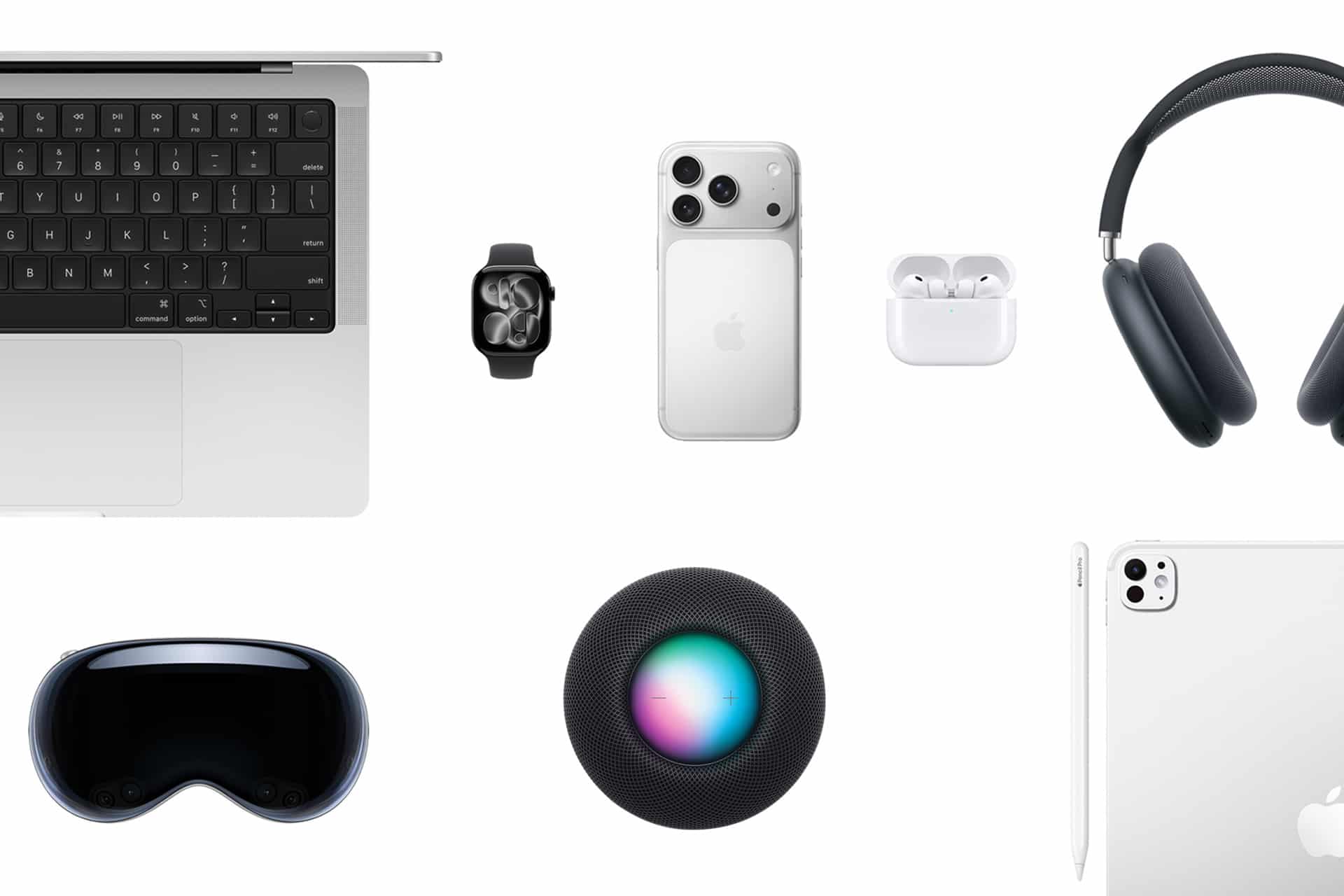
AppleCare+ is overlooked because it does not feel like a media subscription or cloud plan. But it may be one of Apple’s most strategic recurring services because it ties directly to hardware ownership. Every new iPhone, Mac, iPad, Apple Watch, AirPods, Vision product, Apple TV, or HomePod creates a potential AppleCare+ decision.
That gives Apple a services path attached to every hardware sale. It also reinforces the company’s premium positioning. Apple does not only sell expensive devices. It sells a support system around them, with official repair, expert help, battery coverage, accidental damage protection, and theft and loss options where available.
This is why AppleCare+ matters in the larger Apple ecosystem. It reduces anxiety around carrying expensive devices. It keeps repairs inside Apple’s service network. It turns support into a recurring relationship. It adds another reason for users to stay close to Apple after the sale.
For many users, AppleCare+ will remain invisible until the day they need it. That is also the point. The service is not designed to be exciting. It is designed to make the worst moments of device ownership feel less like a crisis and more like a solvable appointment.