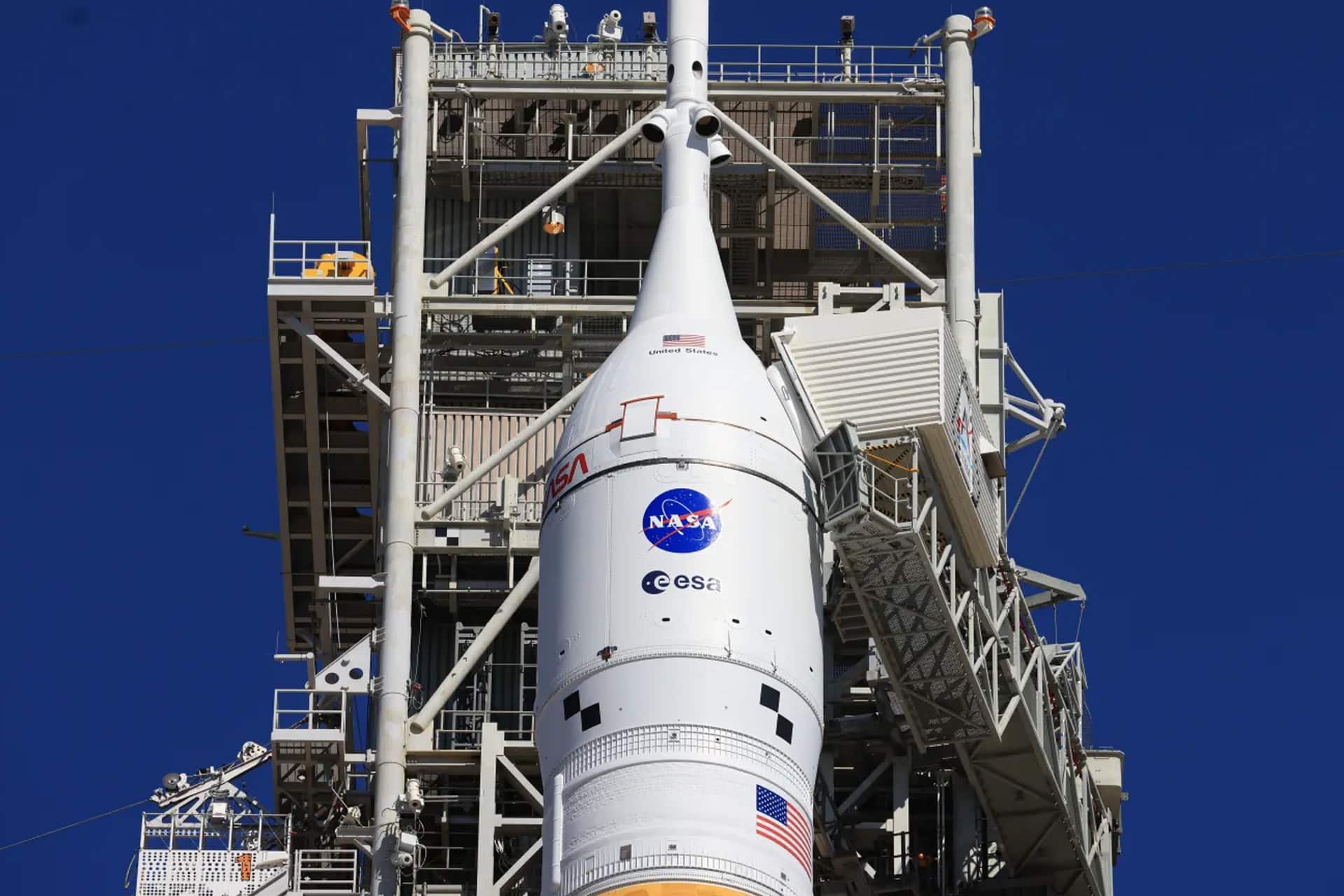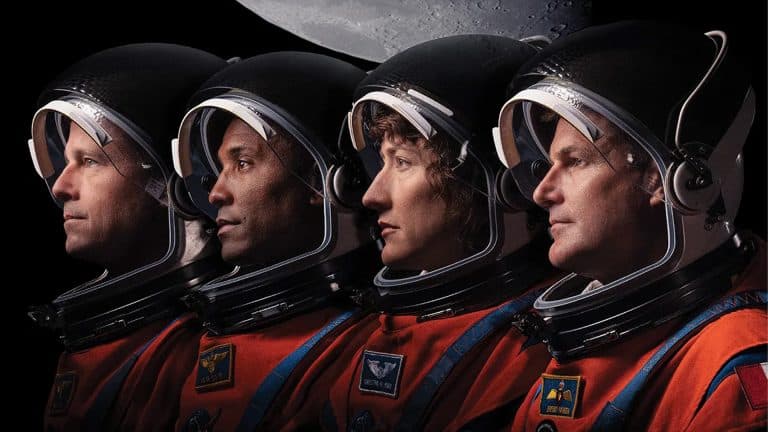
Artemis II iPhones mark a subtle but meaningful shift in how space missions are documented. For the first time on a crewed mission beyond low Earth orbit, NASA astronauts are carrying personal smartphones to capture images and video during their journey around the Moon. These devices are not integrated into spacecraft systems. They are not used for communication. Instead, they serve as compact, high-quality cameras for personal documentation.
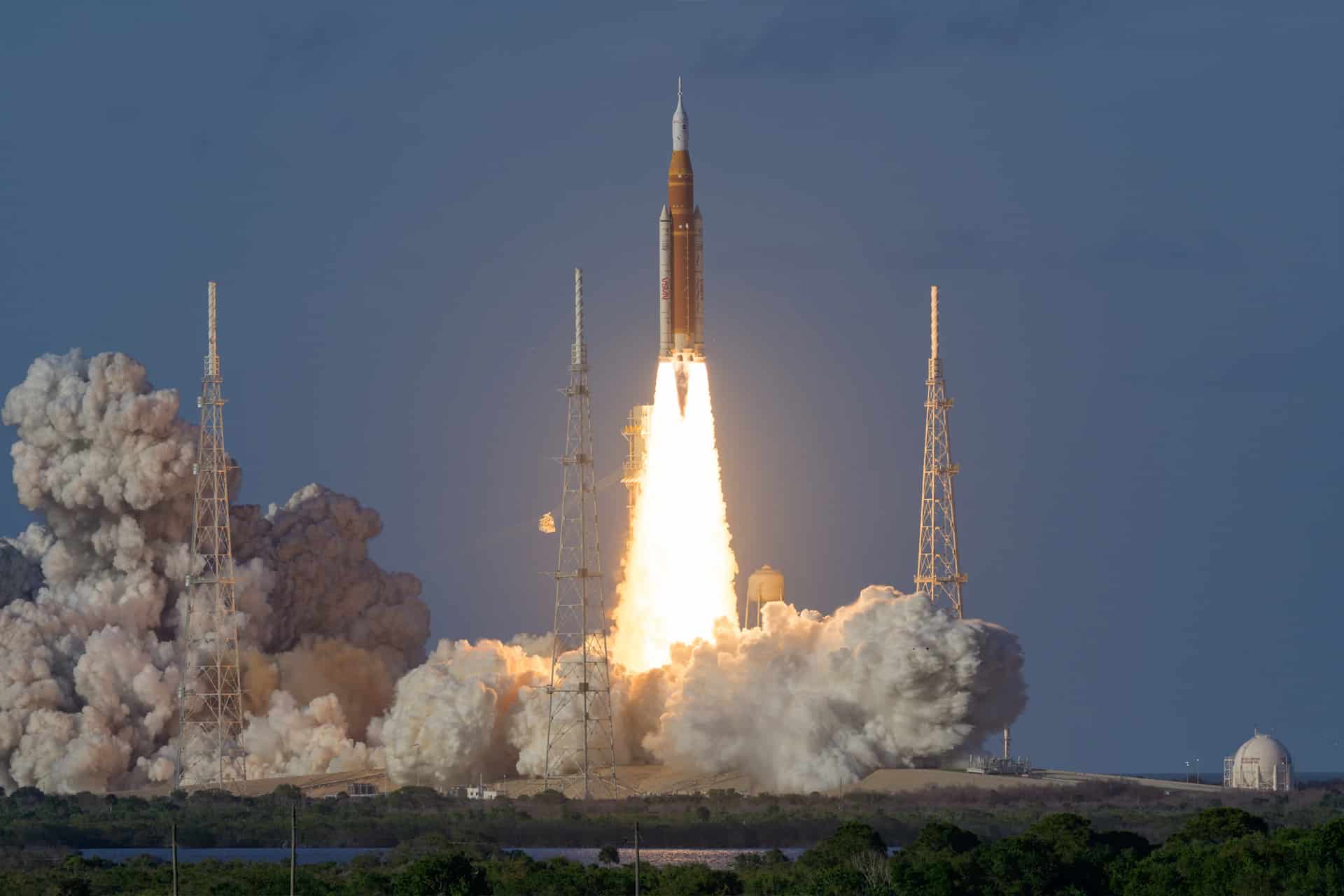
The Artemis II mission, which launched with four astronauts aboard the Orion spacecraft, represents the first crewed lunar flyby under NASA’s Artemis program. While the mission’s technical objectives involve spacecraft testing and deep-space operational validation, the presence of personal iPhones adds a human dimension to a historically technical endeavor.

Personal Devices in Deep Space
Artemis II iPhones operate strictly in airplane mode. This configuration ensures that no wireless signals interfere with onboard communication or navigation systems. Inside Orion, mission-critical electronics are shielded and rigorously certified. Personal devices remain isolated from those networks.
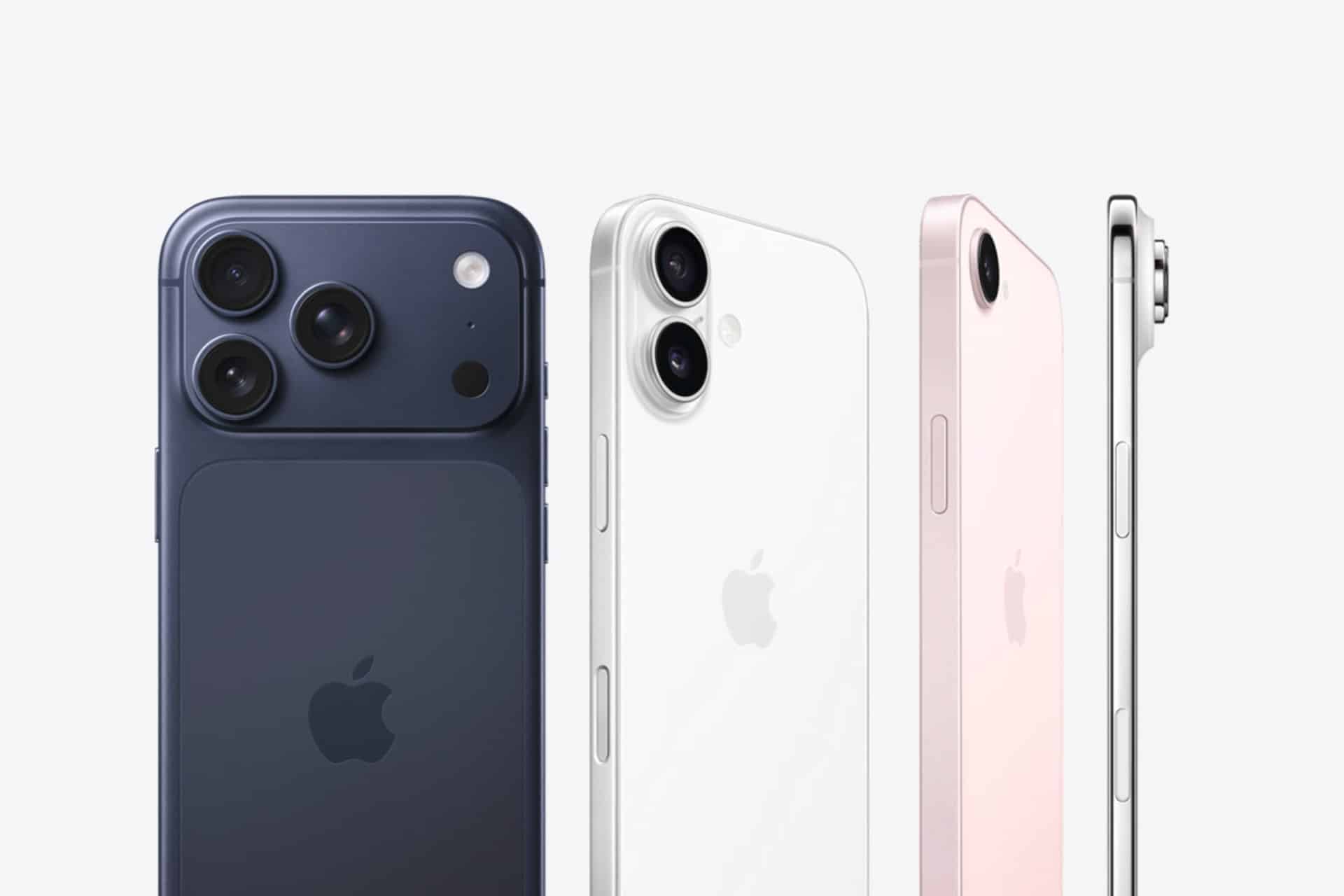
The iPhones function solely as imaging tools. Their high-resolution sensors, stabilized video capabilities, and computational photography features make them practical for documenting life inside the spacecraft and views through Orion’s windows.
Unlike NASA’s professional imaging systems, which are calibrated for scientific documentation, the astronauts’ iPhones are intended to capture informal, behind-the-scenes perspectives. These images and clips may later be shared with the public, offering a viewpoint shaped directly by the crew rather than mission planners.
Why iPhones Make Sense in Space
Artemis II iPhones provide advantages rooted in portability and familiarity. Astronauts train extensively with mission hardware, but personal electronics offer intuitive operation without additional instruction. In a confined spacecraft environment, compact devices are easier to manage than larger camera systems.
Modern iPhones include advanced image stabilization, HDR processing, and low-light optimization. Inside Orion’s interior — where lighting conditions shift between instrument panels and external glare — these capabilities become useful for capturing balanced exposures.
Battery life also plays a role. Operating in airplane mode significantly reduces power consumption. Since the devices are not transmitting signals, their energy demands are limited to camera and screen use.
NASA’s Policy Shift
The inclusion of Artemis II iPhones reflects a broader evolution in NASA policy regarding personal electronics. Historically, crewed missions imposed stricter limitations on privately owned devices. The Artemis II mission demonstrates a measured openness to allowing personal technology onboard, provided it complies with safety protocols.
Reports indicate that personal electronics are now permitted under specific conditions. Devices must not interfere with spacecraft systems and must operate in configurations that eliminate transmission capabilities. Airplane mode ensures that wireless radios remain inactive throughout the mission.
This policy shift aligns with the increasing role of digital storytelling in space exploration. Public engagement has become central to modern missions. Behind-the-scenes content humanizes astronauts and strengthens global interest in deep-space initiatives.
Capturing a Human Perspective
Artemis II iPhones are not replacing NASA’s official imaging systems. The spacecraft remains equipped with certified cameras designed for mission documentation and scientific imaging. The smartphones complement those systems by offering personal framing choices.
Astronauts can record candid moments: preparation routines, Earthrise through the window, or the subtle details of daily life in microgravity. These perspectives provide context beyond technical diagrams and telemetry data.
In earlier missions, film cameras and later digital cameras captured iconic imagery. The difference now lies in immediacy and accessibility. The iPhone is a familiar device carried by millions on Earth. Seeing it accompany astronauts around the Moon narrows the psychological distance between spaceflight and everyday life.
Operational Boundaries
Artemis II iPhones remain confined to non-critical functions. They are not connected to spacecraft displays or used for navigation. Data storage remains local until the mission concludes and files are transferred for review.
The decision to restrict devices to airplane mode eliminates potential radio interference. Even within a shielded spacecraft, maintaining strict communication protocols is essential.
The mission’s primary objectives — testing Orion’s life support systems, validating heat shield performance during reentry, and exercising deep-space operations — remain unaffected by the presence of personal smartphones.
Symbolism and Continuity
Artemis II iPhones also carry symbolic weight. The Apollo era relied on specialized film equipment and NASA-issued cameras. Artemis II introduces commercially available consumer technology into a deep-space mission environment.
The presence of iPhones does not alter mission architecture, but it underscores how advanced consumer imaging tools have become. A device commonly used for daily photography on Earth now travels beyond low Earth orbit as a documentation companion.
As Artemis II circles the Moon, the crew’s personal images will likely supplement official NASA photography. Together, they create a layered record of the mission — one technical, one personal.
Artemis II iPhones demonstrate how contemporary spaceflight increasingly intersects with familiar technology. Operating solely as cameras in airplane mode, they offer astronauts a direct way to record their lunar journey while preserving strict operational boundaries within the spacecraft.