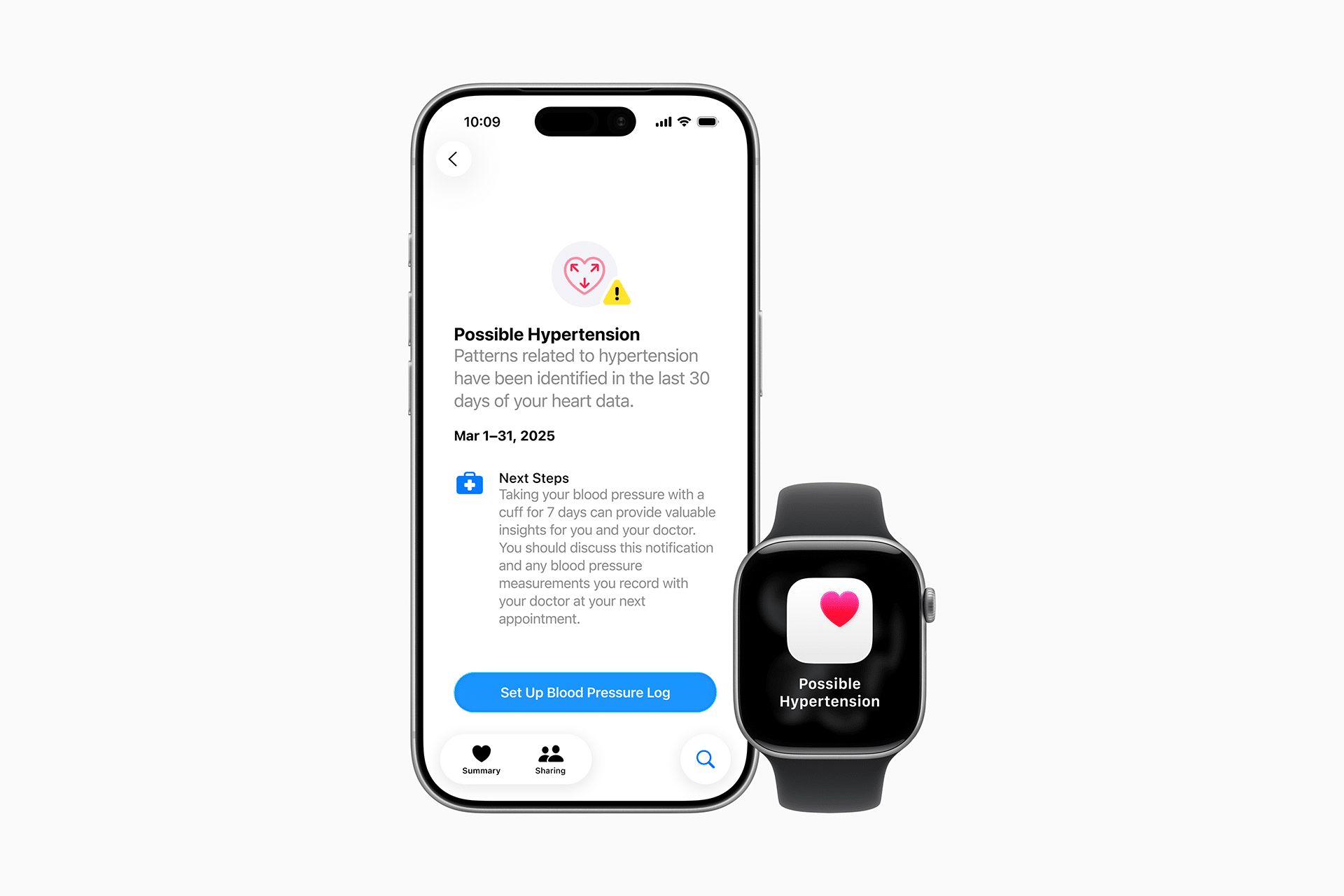
The alarm rings before sunrise. The athlete does not check social media first. He checks metrics.
Resting heart rate. Heart rate variability. Sleep duration. Sleep consistency. The Apple Watch has been tracking quietly through the night, collecting data without interrupting rest. That information is now the first decision point of the day.
If recovery scores look strong, the training session remains intense. If variability drops and sleep was fragmented, adjustments are made. The plan is not emotional. It is informed.
Training no longer depends only on how the body feels in the moment. It depends on patterns.
Reading the Signals Before the Workout Begins
Competitive athletes operate within narrow margins. Overtraining can cost weeks. Undertraining can cost performance peaks. The difference often hides in small trends rather than dramatic symptoms.
The Apple Watch continuously tracks heart rate variability, resting heart rate, and sleep metrics. These indicators reflect how well the nervous system has recovered from prior strain.
On the iPhone, inside the Health app, data unfolds across days and weeks. Patterns become visible. A consistent drop in HRV after intense sessions signals accumulated stress. A stable resting heart rate suggests recovery is holding steady.
The athlete does not interpret a single number in isolation. He studies trends.
Training load over time matters more than one session.
Adjusting Intensity in Real Time
During training, the Apple Watch monitors heart rate zones. Instead of guessing effort, the athlete trains within defined targets. Long endurance sessions remain controlled. High-intensity intervals push precisely into anaerobic thresholds.
If heart rate spikes earlier than expected, it may signal fatigue. If it remains unusually low during effort, it may indicate adaptation.
The watch becomes a pacing partner.
After the session, metrics continue to matter. Time spent in zones. Total active energy burned. Recovery heart rate. All of it feeds into future planning.
On an iPad, the athlete reviews graphs on a larger display. Trends appear clearer. Weekly summaries show whether progress aligns with competition goals.
Data does not replace instinct. It sharpens it.

Recovery as Strategy, Not Rest
Recovery is often misunderstood as inactivity. For competitive athletes, recovery is programmed.
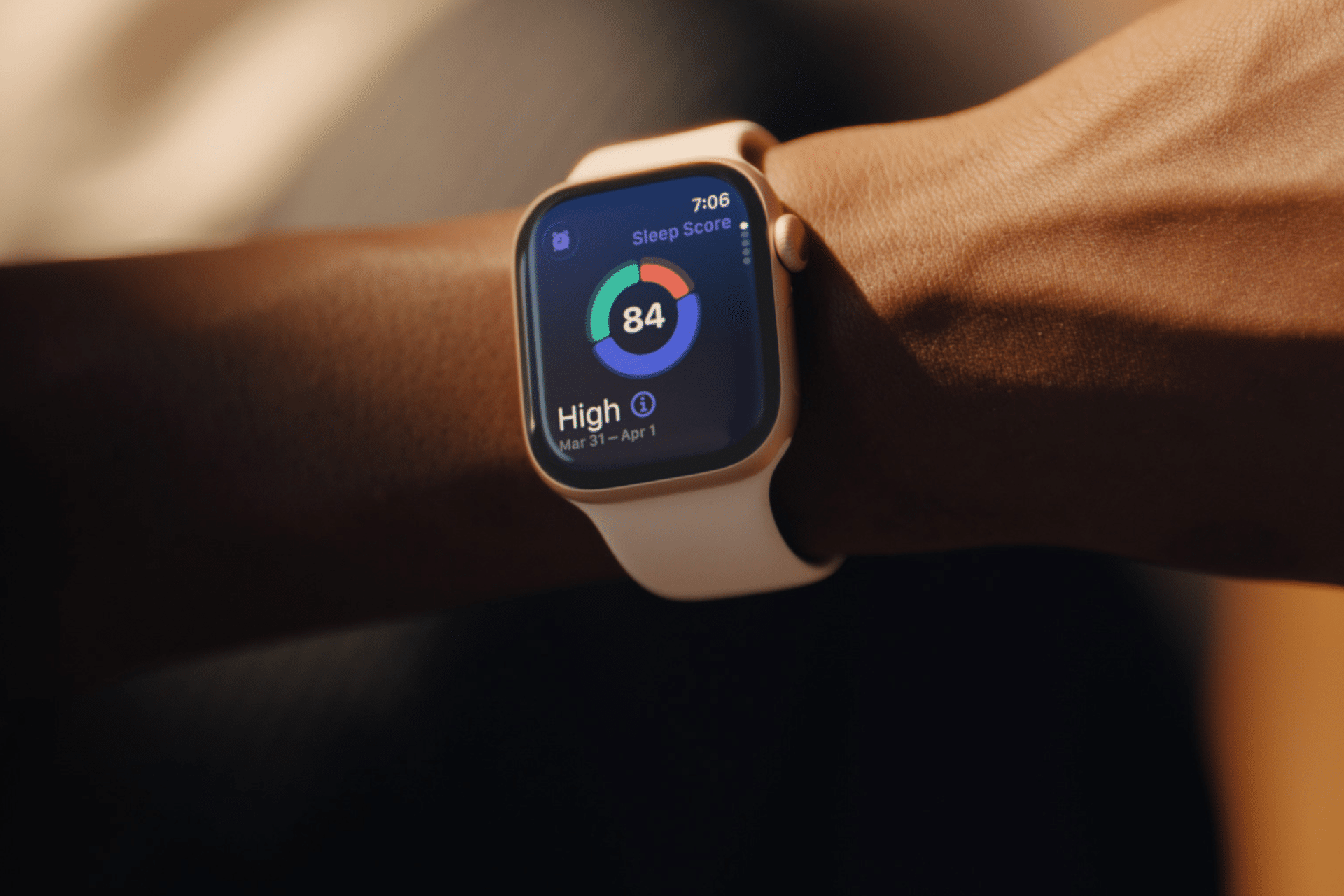
Sleep tracking from Apple Watch provides consistency metrics. How long it took to fall asleep. How often sleep was interrupted. Whether the schedule remains stable.
If sleep duration drops over several nights, training intensity may be reduced intentionally. If recovery metrics improve, volume may increase.
Injury prevention lives inside these decisions.
The athlete sees correlations: heavy leg days followed by reduced variability. Travel days impacting sleep quality. Stress from life events reflected in heart rate data.
The Apple ecosystem centralizes this information. The iPhone stores long-term health data. The iPad provides visual analysis. The Mac becomes the platform for exporting summaries to coaches.
Communication With Coaches and Teams
In competitive settings, data is shared carefully. Coaches review trends rather than isolated spikes.
Charts exported from Health data support strategy meetings. Adjustments are discussed based on evidence. Training blocks are recalibrated.
Instead of vague statements like “I feel tired,” the athlete can point to measurable shifts in recovery markers.
The conversation changes from subjective to structured.
This level of clarity influences periodization — how training cycles are arranged across months. Peaking too early becomes less likely when metrics guide taper phases.

Building Long-Term Awareness
Over months and years, the dataset grows. Seasonal variations appear. Off-season conditioning differs from pre-competition intensity. The athlete sees how body composition, stress, and workload interact.
The Apple Watch does not act as a coach. It records. It measures. It organizes.
The athlete interprets.
On travel days, metrics may dip due to disrupted routines. The watch continues collecting data even across time zones. The ecosystem synchronizes automatically once connected.
There is no manual logging of heart rate. No paper notebooks tracking recovery scores. Everything lives in one environment.
The Discipline Behind the Numbers
Competitive sport demands discipline beyond physical exertion. It demands consistency.
Wearing the watch daily ensures baseline data remains accurate. Logging workouts precisely refines future insights. Reviewing trends weekly builds awareness.
The athlete learns to recognize signals before fatigue becomes injury.
A slight decline in HRV over five consecutive days may signal the need for lighter sessions. A stable upward trend across weeks confirms adaptation.
This feedback loop influences confidence.
Data does not guarantee victory. It reduces guesswork.
Performance Beyond the Moment
Competition day arrives. The athlete steps onto the track, field, or road carrying months of structured training. The Apple Watch tracks the event, but the preparation began long before.
Afterward, recovery metrics become critical again. How quickly heart rate returns to baseline. How sleep responds post-competition. When to resume intensity.
The cycle continues.
Inside the Apple ecosystem, athlete training data becomes more than statistics. It becomes narrative — a measurable story of effort, recovery, and adaptation across time.
And before the next sunrise, when the alarm rings again, the first glance at the watch will begin the next decision.