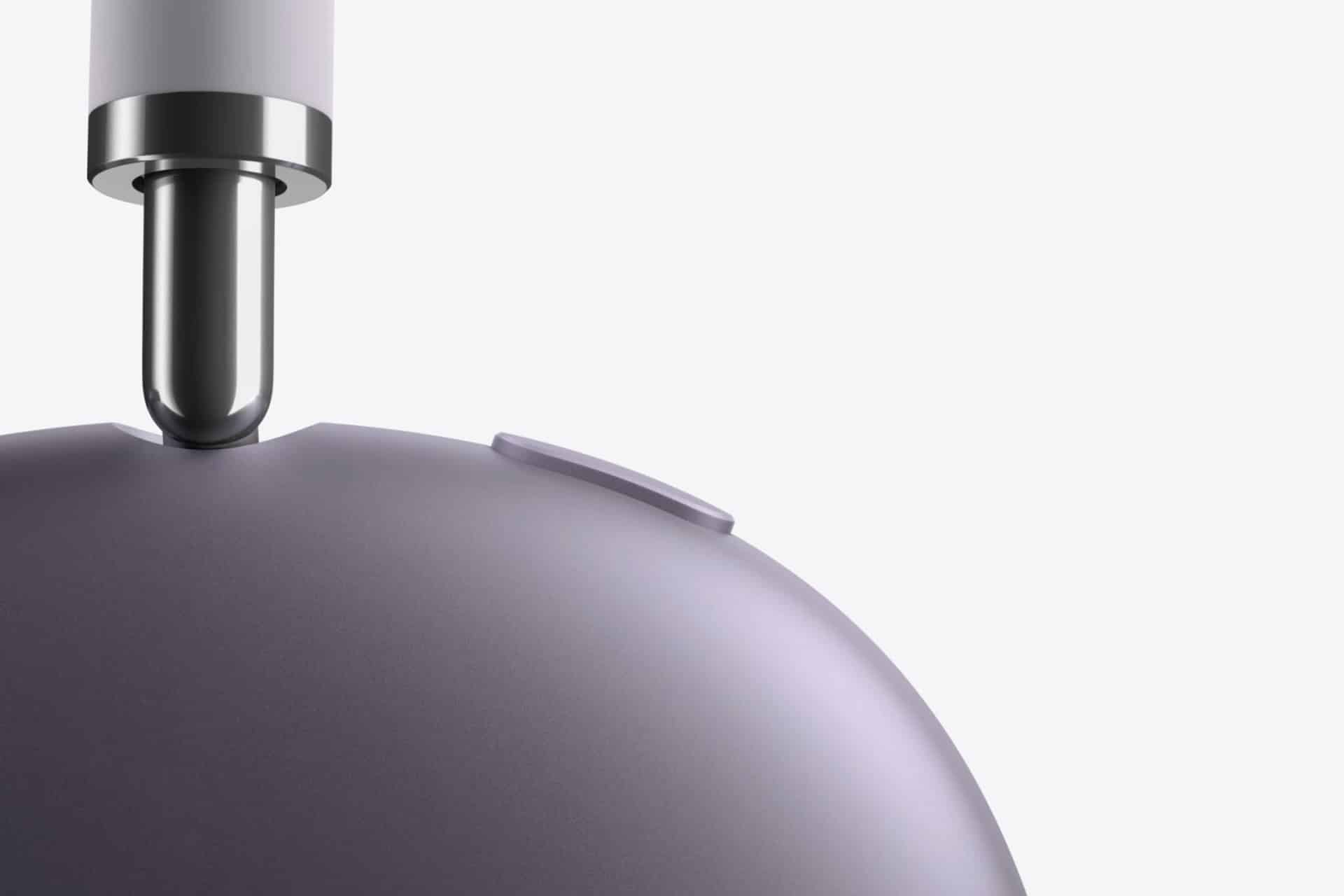
When people think about performance in Apple devices, they often focus on CPU cores, GPU graphics, or Neural Engine acceleration. Audio processing, however, operates on its own specialized layer — one that must respond instantly, continuously, and efficiently. Whether you are listening through AirPods, recording a podcast, or watching a movie with Spatial Audio enabled, dedicated audio engines are handling complex tasks beneath the surface.
These engines are not general-purpose processors. They are optimized digital signal processors (DSPs) integrated into Apple silicon and audio-specific chips like the H-series found in AirPods. Their job is to manipulate sound waves in real time while consuming minimal power.
Without this hardware specialization, features like Active Noise Cancellation or dynamic head-tracked Spatial Audio would either drain battery rapidly or introduce noticeable delay.
How Dedicated Audio Engines Work
At a hardware level, Apple devices use integrated DSP blocks that operate independently from the primary CPU cores. These blocks process microphone input, playback streams, and environmental noise simultaneously.
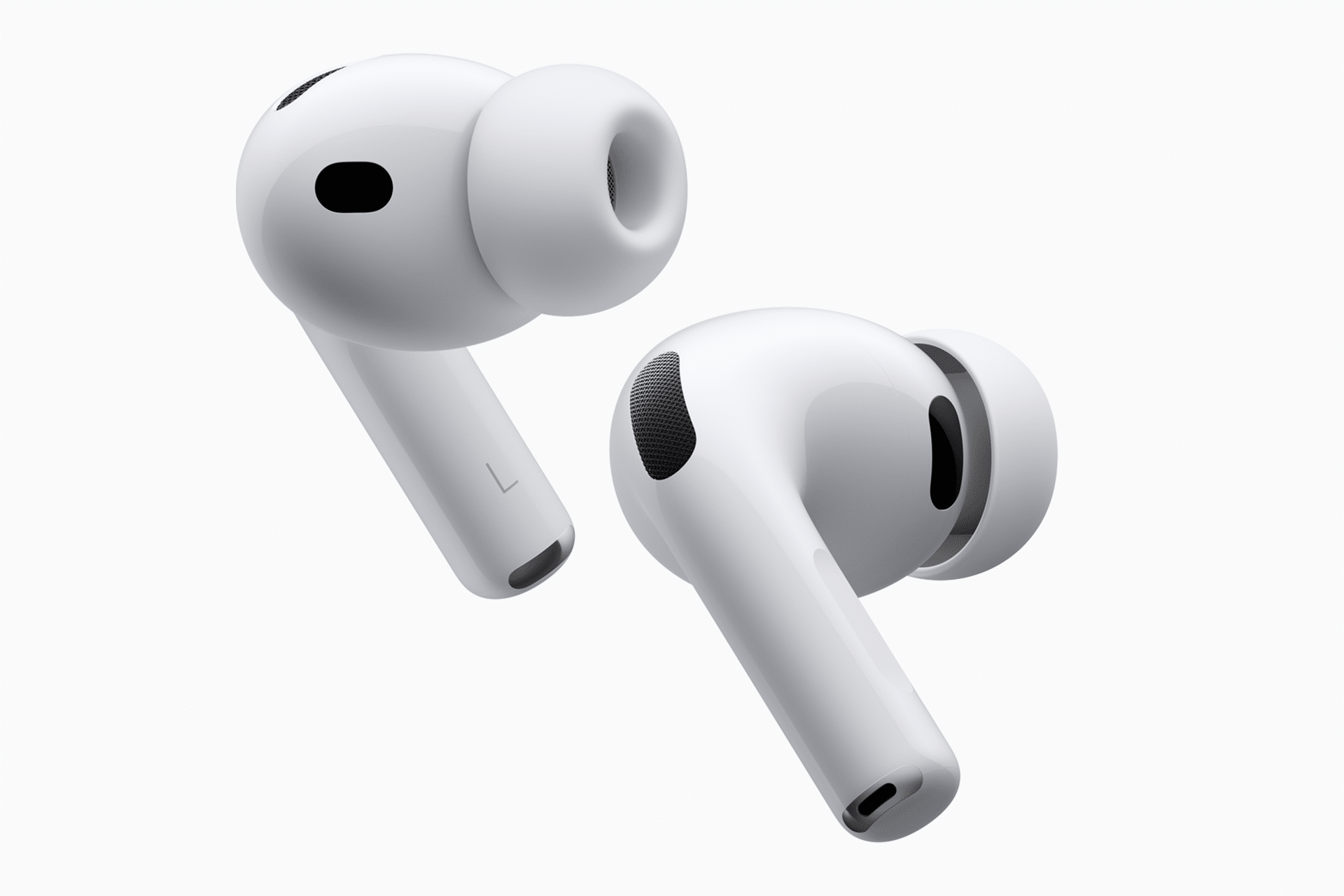
In AirPods Pro and AirPods Max, the H2 chip contains a custom-designed audio processor. It continuously analyzes incoming sound through external microphones, calculates inverse waveforms for noise cancellation, and adjusts output accordingly.
In Apple silicon Macs and iPads, audio engines manage:
- Low-latency playback
- Real-time audio mixing
- Voice isolation processing
- Spatial rendering calculations
- Adaptive EQ adjustments
Because these tasks run on dedicated engines, the main CPU remains free for other applications.


Spatial Audio Rendering
Spatial Audio requires continuous three-dimensional positioning of sound sources. When head tracking is enabled, sensors detect head movement, and the audio engine recalculates sound placement instantly.
The process involves:
- Measuring head orientation
- Mapping audio objects within a virtual space
- Adjusting phase and timing differences between channels
- Delivering recalculated output within milliseconds
This entire pipeline must operate faster than perceptible delay. If latency increases even slightly, the illusion of spatial placement breaks.
Dedicated audio processors maintain ultra-low latency to preserve immersion.
Active Noise Cancellation Architecture
Noise cancellation relies on prediction. External microphones capture environmental sound. The processor generates an inverted waveform that cancels incoming noise before it reaches your ear.
The calculation cycle happens thousands of times per second.
In AirPods Pro:
- External mics capture ambient noise
- Internal mics monitor what reaches the ear
- The H2 chip compares both signals
- The processor refines the cancellation curve in real time
This continuous feedback loop adapts to dynamic environments such as airplane cabins, trains, or busy streets.
Running this workload on a general CPU would introduce inefficiency. The dedicated engine ensures responsiveness while preserving battery life.

Voice Isolation and Computational Audio
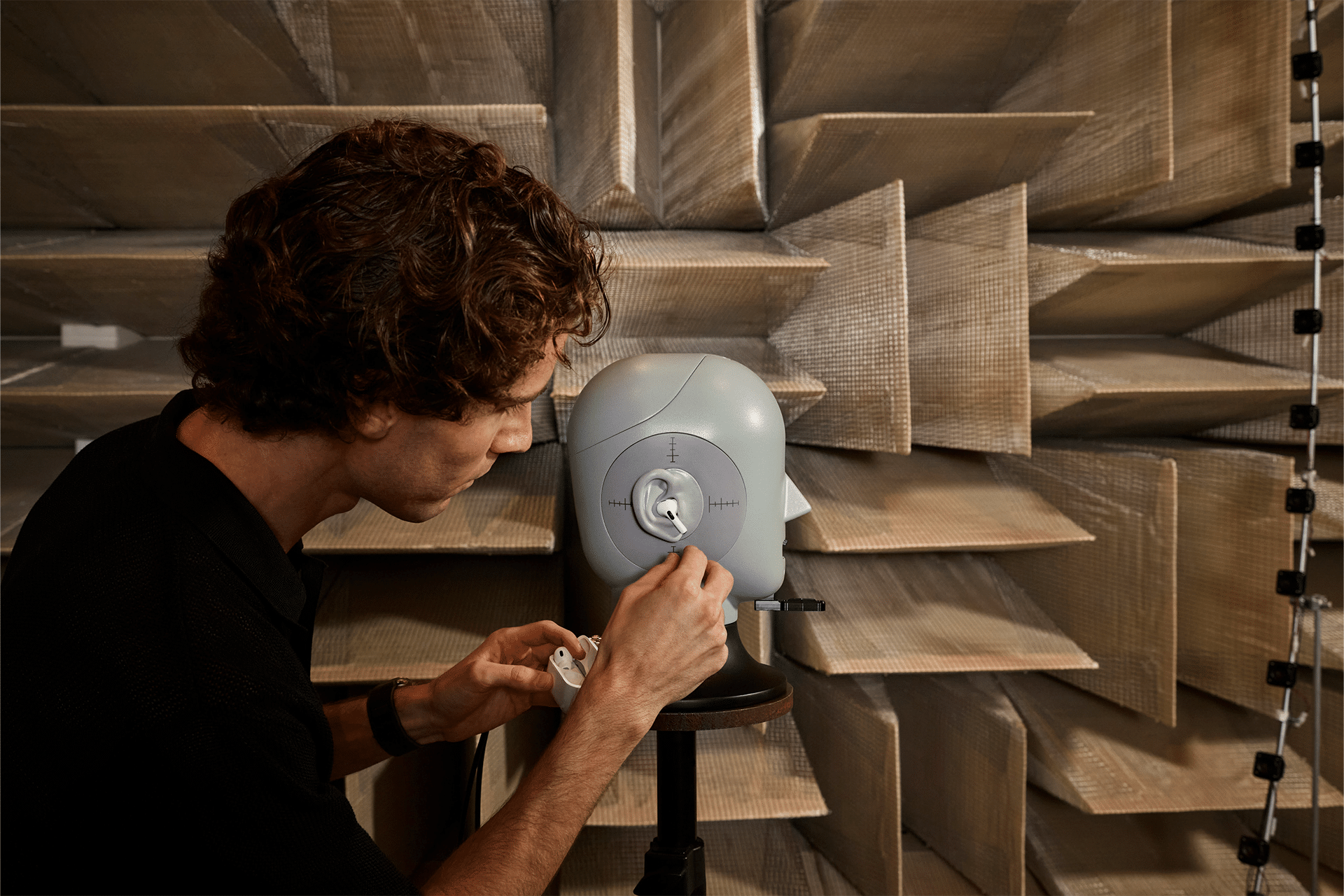
Voice isolation is another layer of audio processing. During calls, the system distinguishes human speech from background noise using advanced filtering techniques.
Microphone arrays capture multiple sound sources. The audio engine prioritizes frequencies and patterns consistent with speech while suppressing environmental interference.
Because this processing runs locally on-device, it does not require cloud computation. This maintains privacy and reduces dependency on network conditions.
Battery Efficiency and Thermal Stability
Real-time audio processing must operate constantly while streaming or during calls. If handled inefficiently, this could increase heat output and shorten battery life.
Dedicated DSP cores are optimized for repetitive mathematical operations common in sound processing — filtering, Fourier transforms, and waveform manipulation. These tasks require fewer cycles and less power than executing on general-purpose cores.
That efficiency allows AirPods to deliver hours of ANC and Spatial Audio without overheating or excessive drain.
Integration Across Devices
Apple’s approach unifies audio processing across product categories.
On Mac:
System Settings > Sound
Users can configure input and output devices, but the underlying processing engine handles spatial rendering and mixing transparently.
On iPhone and iPad:
Settings > Music > Dolby Atmos
Enabling Spatial Audio activates advanced rendering pipelines, powered by integrated audio engines inside the chip.
Because the hardware architecture is consistent across Apple silicon platforms, developers can rely on predictable low-latency performance when building audio-intensive applications.
Why Dedicated Audio Engines Matter
As audio experiences become more immersive — from Dolby Atmos streaming to AR spatial environments — processing requirements increase. Dedicated audio engines ensure that these advanced features do not compromise system responsiveness.
The result is seamless playback, stable noise cancellation, and consistent sound positioning regardless of workload elsewhere on the device.
Audio processing in Apple devices is not a secondary feature layered onto general computing hardware. It is architected into the silicon itself, ensuring that spatial rendering, noise cancellation, and voice clarity operate in parallel with everyday tasks — efficiently, continuously, and without user intervention.