

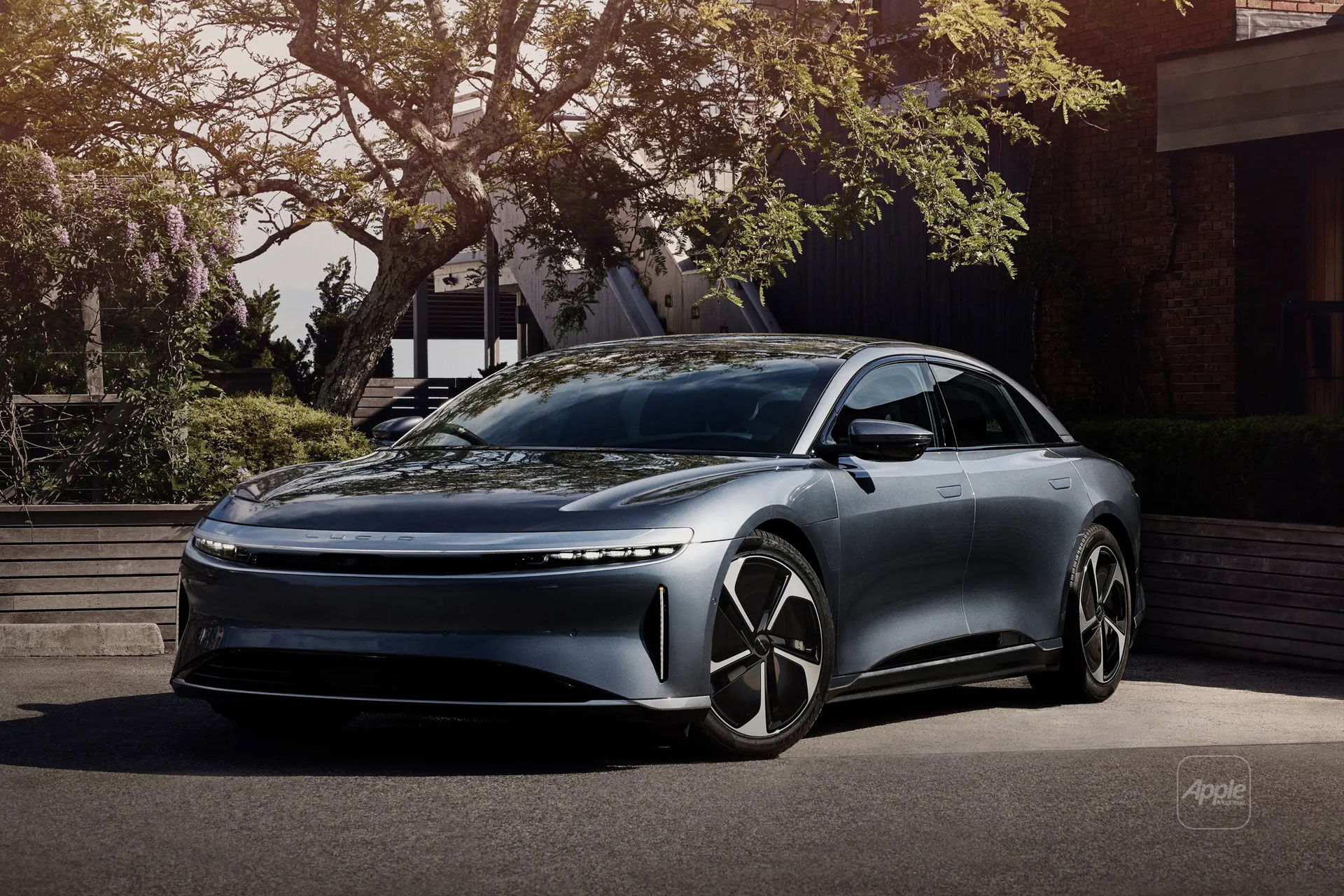
Car Key support for Lucid and Xiaomi appears to be in development, based on code found in iOS 27 developer beta 3. The discovery suggests Apple is preparing to expand Wallet-based vehicle access to two more automakers, though neither Apple, Lucid nor Xiaomi has announced public availability yet.
The feature lets compatible iPhone and Apple Watch models lock, unlock and start supported vehicles through a digital key stored in the Wallet app. Depending on the vehicle, it can work through proximity, passive entry or by holding the device near a reader. Apple also supports Express Mode, which allows the key to work without Face ID, Touch ID or a passcode prompt.
The iOS 27 code reference does not confirm launch timing, supported models or regional availability. It does, however, point to a likely direction for Apple’s car access strategy: more EV brands, deeper Wallet integration and broader support for software-defined vehicles that treat the phone as part of the driving experience.
Car Key Code Points to Two EV Brands
Car Key has expanded slowly since Apple introduced the feature in 2020. BMW was among the earliest major partners, followed by additional brands across Hyundai, Kia, Genesis, Mercedes-Benz, BYD and other automakers. Apple’s own CarPlay availability page now includes a dedicated “supports car keys” marker for compatible models, showing how the feature has become part of the company’s vehicle compatibility story.
Lucid would be a natural addition. The company sells premium electric vehicles, including Lucid Air and Lucid Gravity, with a customer base that overlaps heavily with iPhone users. Lucid already places a strong emphasis on software, app-based vehicle control and high-end digital experiences, which makes Wallet integration a logical step.
Xiaomi would be more unusual but equally notable. The Chinese technology company entered the EV market with the SU7, positioning the car as part of a larger device and services strategy. Xiaomi’s background in phones, smart-home devices and consumer electronics gives it a different profile from traditional automakers. Adding Apple Wallet support would give iPhone users a more familiar access method in a market where digital car features are a major part of the ownership pitch.
If both brands are added, Apple would be extending Car Key across two different EV narratives: Lucid as a U.S. luxury EV maker, and Xiaomi as a consumer-tech company moving into cars.


Why Wallet-Based Keys Matter
Digital car keys are not only about convenience. They sit at the intersection of security, identity, vehicle software and mobile platforms. A key stored in Wallet can be managed through iPhone settings, added to Apple Watch and, when supported, shared with another person. That makes access easier to control than handing over a physical key fob.
Apple says the exact features depend on the vehicle. Some cars support passive entry, allowing the driver to unlock or start the vehicle while the device remains in a pocket or bag. Others require the iPhone or Apple Watch to be held near a door handle or key reader. That variation is one reason automaker support matters as much as iOS support.
The feature can also remain useful when an iPhone battery is low. Apple’s power reserve behavior can allow certain Wallet keys to work for a limited time after the phone needs charging, depending on the device and configuration. For drivers, that reduces one of the obvious concerns around replacing a physical key with a phone.
For automakers, Wallet support can reduce friction. Instead of asking every driver to rely only on a brand-specific app, the car can live inside the same Wallet experience used for payment cards, boarding passes, tickets and IDs. That creates a more familiar setup path for iPhone owners.
Lucid and Xiaomi Fit the Software-Defined Car Shift
The possible Lucid and Xiaomi additions arrive as cars become more software-defined. Automakers now sell vehicles that receive over-the-air updates, connect to mobile apps, support digital keys and rely on cloud accounts for ownership features. The phone has become part of the car’s operating layer, not just a Bluetooth accessory.
Lucid has positioned its vehicles around technology, range, performance and premium experience. A digital key in Wallet would fit that identity, especially for owners who already use iPhone and Apple Watch throughout the day. It could also improve the experience for shared access, valet-style use or households with more than one driver.
Xiaomi’s EV push makes the story larger. The company is not only selling a car; it is trying to connect mobility with its consumer-device platform. Support for Apple’s digital key standard would show that Xiaomi is willing to meet iPhone users where they are, even while maintaining its own device ecosystem.
The wider industry is also moving toward interoperable digital key standards through the Car Connectivity Consortium. Apple, Google, Samsung and major automakers have supported the group’s work, which is designed to make phone-based vehicle access more secure and consistent across brands. That standards work is one reason digital keys are becoming more common instead of staying locked inside separate automaker apps.

A Beta Clue, Not a Launch Announcement
The iOS 27 beta 3 code should be treated carefully. Code references can appear before a feature launches, and sometimes they point to work that is delayed, limited or changed before public release. Apple has not updated its public documentation to list Lucid or Xiaomi as active Car Key partners at the time of writing.
That means owners should not expect immediate support based only on the beta discovery. Even after Apple adds a brand, availability can depend on the exact model, model year, vehicle software version, region and whether the automaker enables the feature through its own app or account system.
Still, the direction is easy to read. Apple is continuing to widen Wallet’s role beyond payments. Car keys, hotel keys, transit cards, IDs, passes and tickets all turn Wallet into a personal access hub. Vehicle support is one of the most valuable parts of that strategy because it connects iPhone and Apple Watch to a daily-use object with high security needs.
For Lucid and Xiaomi, appearing in iOS 27 code gives both brands a place in that expanding access layer. The next signal will come from Apple’s CarPlay vehicle list, automaker release notes or support pages that identify the first compatible models.
The practical test will be simple for drivers: whether they can leave the key fob at home, unlock the car with iPhone or Apple Watch, start it reliably and share access without dealing with a separate handoff. If Lucid and Xiaomi support arrives during the iOS 27 cycle, Car Key will move another step closer to becoming a normal part of premium EV ownership.