

Certified refurbished Apple products are one of the most practical ways to enter the Apple ecosystem without paying full new-device pricing. For buyers looking for a first iPhone, Mac, iPad, Apple Watch, Apple TV, HomePod, or accessory, Apple’s own refurbished store can offer a lower-cost path while keeping the purchase inside Apple’s official quality, warranty, and support system.
That distinction matters. “Refurbished” can mean very different things depending on where the device is bought. A third-party refurbished iPhone or Mac may come from a marketplace, carrier, repair shop, reseller, or private seller, with different standards for battery health, replacement parts, warranty, cosmetic condition, and return policies. Apple Certified Refurbished products are different because Apple controls the refurbishment process itself.
Apple says every Certified Refurbished product goes through full functional testing, thorough cleaning and inspection, genuine Apple replacement parts when needed, and a new white box with accessories, cables, and operating systems. Apple also says refurbished iOS devices come with a new battery and outer shell, and every Certified Refurbished product includes a one-year limited warranty with the option to add AppleCare.

Certified Refurbished Apple as a First-Device Strategy
Certified refurbished Apple products make the most sense for buyers who want the Apple experience more than the newest model. A first-time user may not need the latest iPhone Pro, the most powerful MacBook Pro, or the newest iPad Pro to understand why the ecosystem works. They may simply need a reliable Apple device with iCloud, Messages, FaceTime, AirDrop, Safari, Photos, App Store, Apple Pay, Apple Music, Apple TV, and software updates.
That is where refurbished becomes a premium affordability strategy. It does not turn Apple into a low-end brand. It lowers the entry point into Apple’s premium ecosystem. The buyer still receives a device refurbished and backed by Apple, rather than taking a bigger risk on an unknown used product.
For many people, the first Apple device is the hardest one to justify. Once a user owns one device, the rest of the ecosystem becomes more attractive. iPhone works better with Apple Watch. Mac works better with iPhone. iPad works better with iCloud and AirDrop. AirPods move between devices. Apple TV and HomePod extend the experience into the living room. A lower-cost refurbished device can be the first step into that ecosystem.
This is especially useful for students, families, younger buyers, older relatives, small businesses, and users switching from Android or Windows. The goal is not always to buy the newest hardware. It is to get a dependable Apple product at a better price, then decide later whether the ecosystem is worth deeper investment.
Why Apple Refurbished Feels Different From Used
The strongest argument for Apple Certified Refurbished is trust. A used device can be a great deal, but the buyer has to judge condition, battery health, repair history, activation status, warranty, parts, storage, and seller reliability. With Apple’s refurbished store, Apple has already done the inspection and stands behind the product.
That matters most with iPhone and Mac. A used iPhone may have a worn battery, non-genuine parts, previous liquid damage, carrier locks, or unresolved Activation Lock issues. A used Mac may have battery wear, keyboard problems, display marks, missing accessories, or older software limitations. Some issues may not be obvious until days or weeks after purchase.
Apple’s refurbished process reduces that uncertainty. The company says products are thoroughly cleaned, inspected, and tested. Genuine Apple replacement parts are used when needed. Refurbished iOS devices receive a new battery and outer shell. The product arrives in Apple packaging with accessories and is eligible for Apple’s standard one-year limited warranty.
That does not mean a refurbished device is always the cheapest option. Third-party marketplaces can be cheaper. Private sellers can be cheaper. Carrier trade-in deals can be cheaper. The difference is that Apple Certified Refurbished is designed for buyers who want savings without giving up Apple’s official support structure.
Savings Without Leaving Apple’s Support System
Apple says Certified Refurbished products offer savings of up to 15%. That may not sound dramatic compared with second-hand marketplaces, but it becomes more meaningful when paired with warranty coverage, AppleCare eligibility, genuine parts, official packaging, and Apple’s return process.
For first-time buyers, that combination can be safer than chasing the absolute lowest price. A lower-cost device is not a good deal if the battery needs replacement, the screen was repaired poorly, the device is locked to another account, or the seller disappears after the transaction. Apple’s refurbished store is usually better for people who want predictable quality.
The AppleCare option also matters. Refurbished products can be covered with AppleCare where available, extending support and repair protection. That makes a refurbished MacBook, iPad, Apple Watch, or iPhone feel closer to a new purchase in terms of ownership confidence.
This is where Apple turns refurbishment into a premium service rather than only a discount shelf. The device may have had a previous life, but the buying experience remains Apple-like: official store, warranty, packaging, returns, accessories, and support.
The Best Refurbished Apple Products to Consider
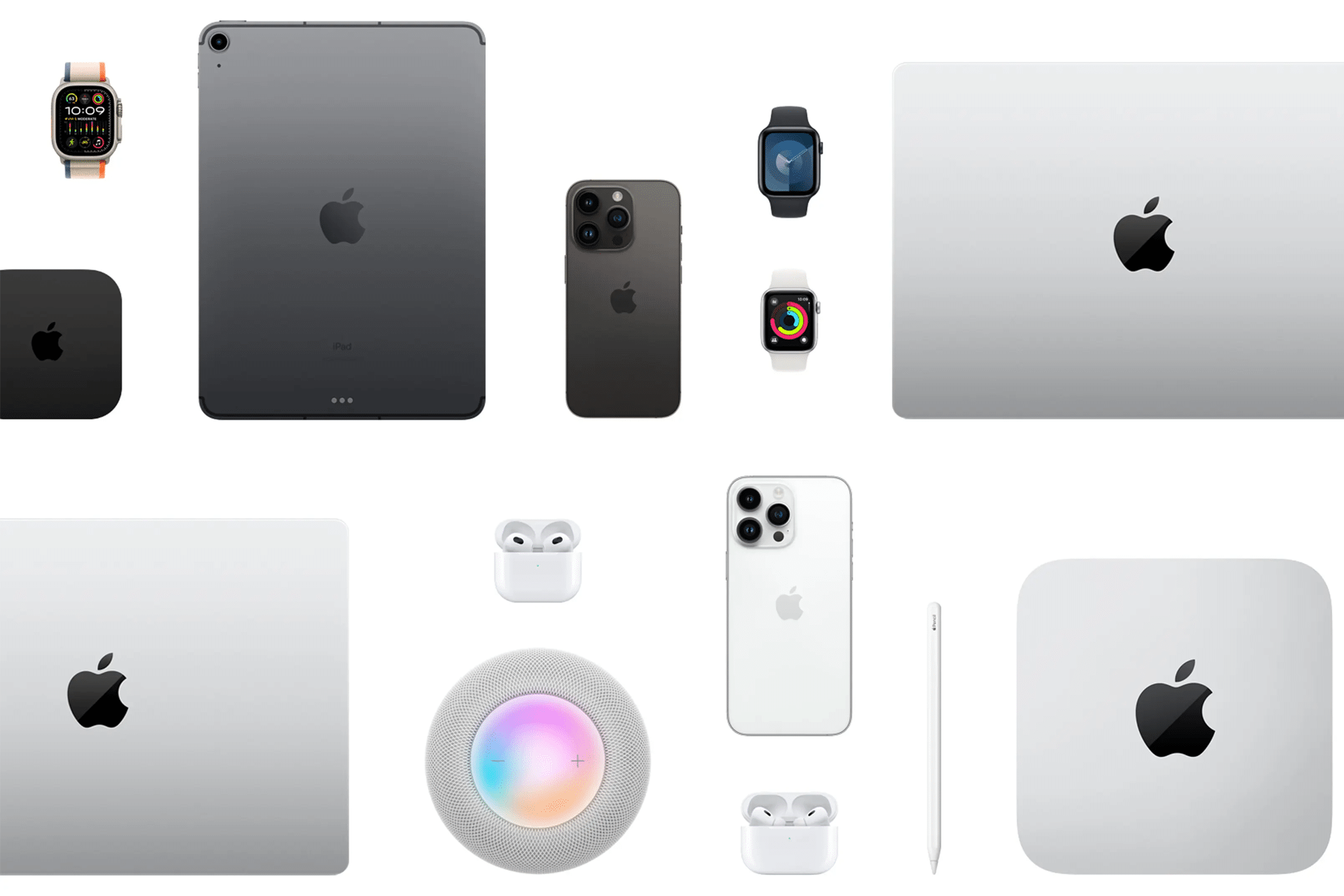
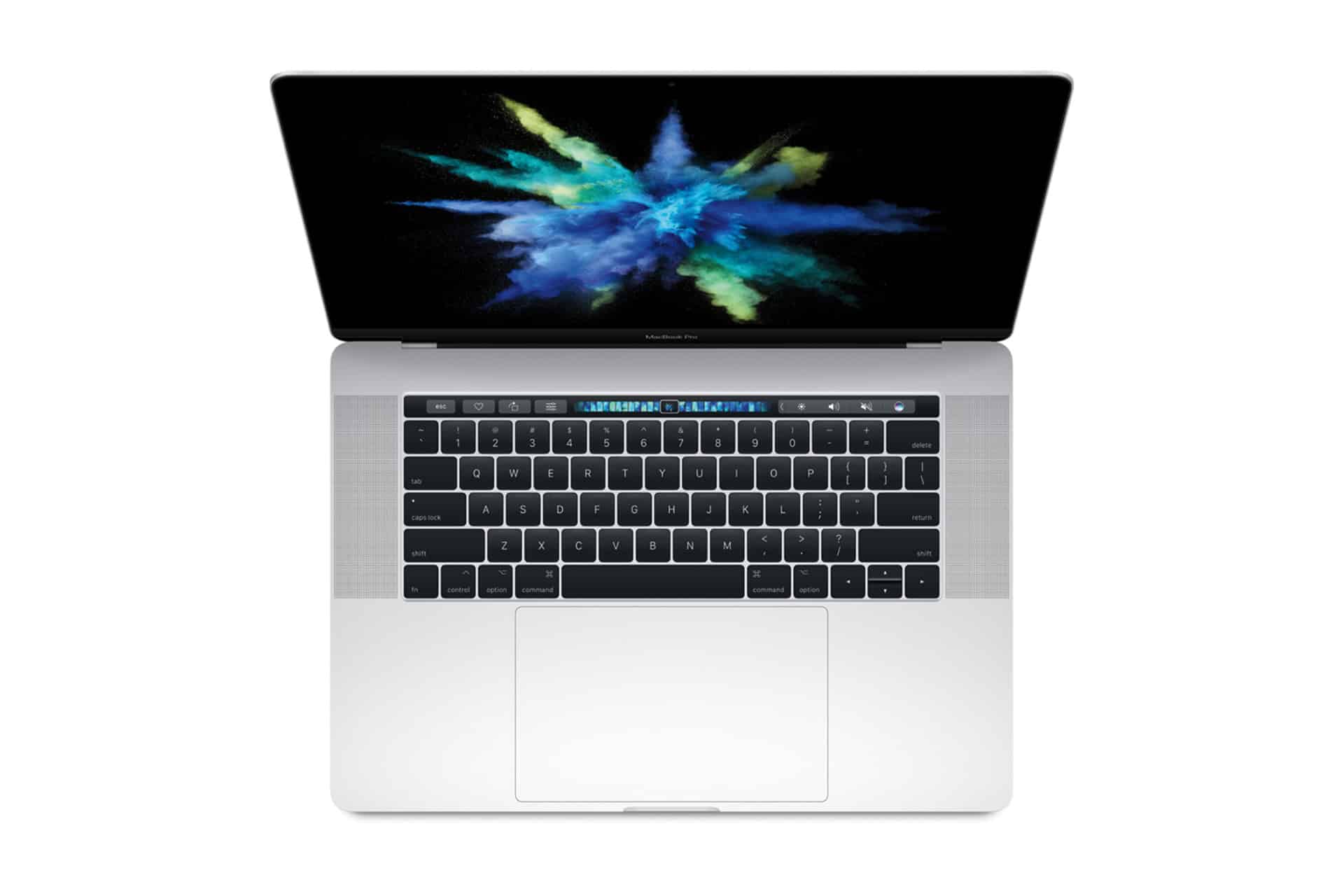
A refurbished Mac is often one of the strongest values because Macs tend to remain useful for years. Apple silicon models in particular can offer strong performance, long battery life, and current macOS support while costing less than a new configuration. A refurbished MacBook Air can be an excellent first Mac for school, writing, business, browsing, media, and everyday productivity. A refurbished Mac mini can be a clean entry into macOS for users who already have a display, keyboard, and mouse.
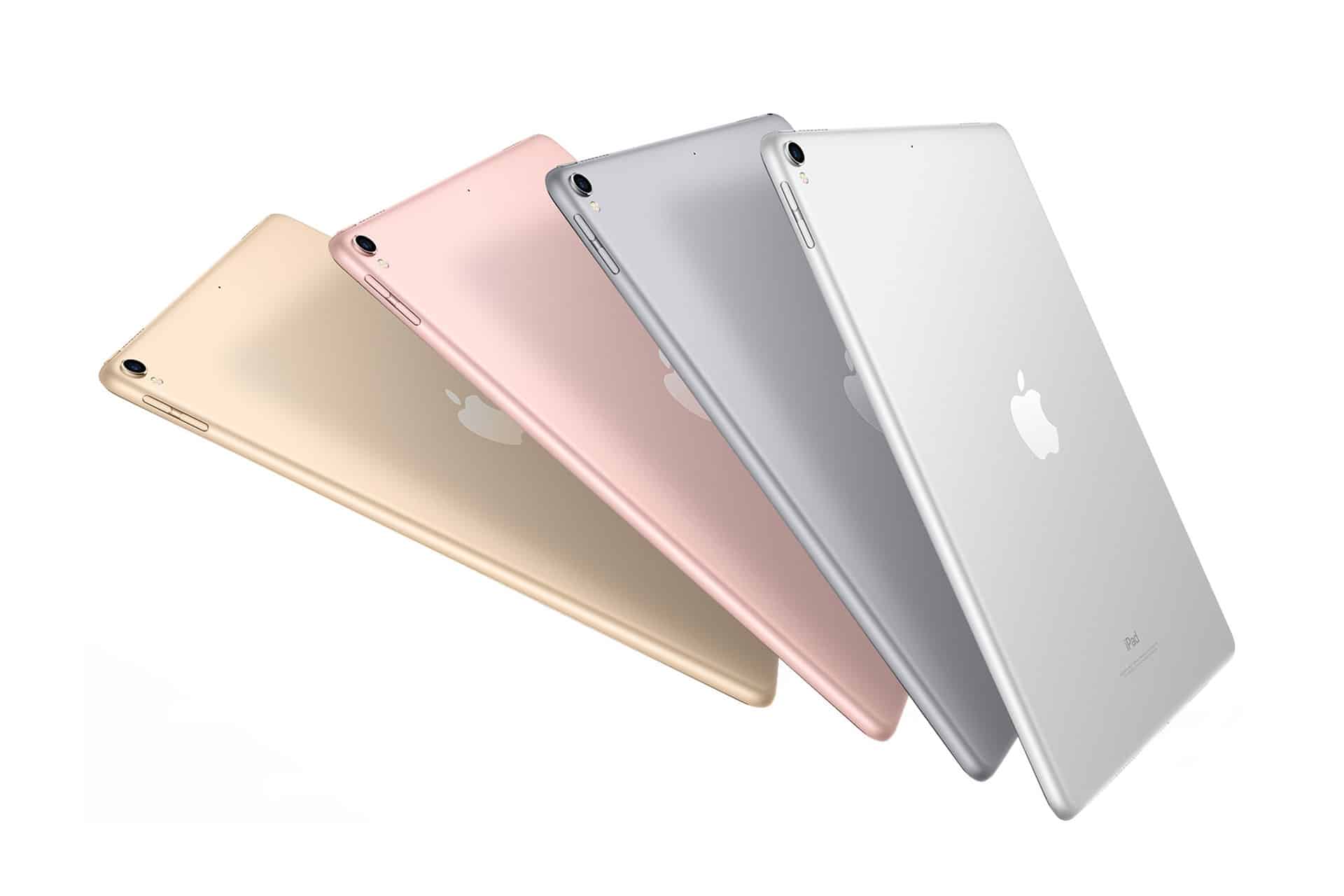
A refurbished iPad can also be a smart first Apple device. iPad gives access to Apple Pencil support on compatible models, video calls, reading, streaming, games, school apps, notes, drawing, and light productivity. For users not ready to buy a Mac, iPad can be a lower-cost way into the Apple ecosystem.
A refurbished iPhone is more personal because battery health, camera quality, and software support matter heavily. Apple’s refurbished iPhone advantage is especially strong because refurbished iOS devices come with a new battery and outer shell. That gives buyers a cleaner starting point than many third-party refurbished phones.
Apple Watch can be a useful refurbished purchase for users who want health, fitness, notifications, Apple Pay, safety features, and iPhone integration without buying the newest model. The best choice depends on whether the user needs newer health features, cellular support, or the latest sensors.
Apple TV, HomePod, and accessories can also make sense refurbished when available, especially for buyers trying to build a more complete Apple setup gradually. Availability changes often, so the refurbished store works best for flexible buyers who can check regularly and move when the right model appears.
What Buyers Should Check First
The most important thing to understand about Apple Certified Refurbished is that inventory changes. Apple sells what it has available, and models, colors, storage options, and configurations can appear or disappear quickly. A buyer looking for one exact model may need patience.
Before buying, users should check whether the device supports the features they care about. For iPhone, that may include Apple Intelligence, camera features, battery life, 5G, storage, MagSafe, and expected iOS support. For Mac, it may include Apple silicon generation, memory, storage, ports, external display support, and macOS compatibility. For iPad, it may include Apple Pencil compatibility, keyboard support, display size, storage, and chip generation.
Storage is especially important because many Apple devices cannot be upgraded later. A cheaper refurbished device with too little storage may become frustrating faster than a slightly more expensive model with enough room for photos, apps, documents, and media.
Buyers should also compare refurbished pricing with education pricing, seasonal promotions, carrier offers, and new-device discounts from authorized retailers. Sometimes a new device on sale may be close to refurbished pricing. Other times, Apple’s refurbished store is clearly better. The right choice depends on timing and configuration.
A Sustainability Angle That Fits Apple
Certified refurbished Apple products also support Apple’s environmental story by extending the useful life of devices. A refurbished product gives existing hardware another owner instead of pushing every buyer toward a brand-new device. That aligns with Apple’s broader efforts around recycling, repair, energy use, materials, and product longevity.
The sustainability argument works best when the device remains useful for several years. Apple’s advantage is that its products often receive long software support and retain resale value better than many competitors. A refurbished Mac, iPad, or iPhone can still feel modern if the chip, battery, display, and software support are strong enough for the user’s needs.
This makes refurbished buying different from bargain hunting. It is a way to buy into the Apple ecosystem with less waste, lower cost, and less uncertainty than a typical used-device purchase.
The environmental benefit does not erase the financial calculation. Buyers still need to choose carefully. But when a refurbished device is official, warrantied, and powerful enough for the next few years, it can be one of the most sensible Apple purchases available.
A Lower-Cost First Step Into Apple
Certified refurbished Apple products are best understood as Apple’s premium affordability lane. They are not the cheapest used devices. They are not new devices with full launch-day choice. They sit between those two worlds: lower-cost than new, safer than most used, and still supported by Apple.
That makes them especially strong as a first Apple device. A refurbished iPhone can introduce the user to iMessage, FaceTime, iCloud, Apple Pay, AirDrop, Find My, and the App Store. A refurbished Mac can introduce macOS, Continuity, Safari, iCloud Drive, Photos, and the broader Apple workflow. A refurbished iPad can bridge entertainment, school, drawing, notes, and casual work. From there, the ecosystem can grow naturally.
For Apple, refurbished products also create a smarter entry point. Not every buyer can start with a new flagship. Not every household wants to spend full price for every device. Certified refurbished gives Apple a way to reach more users without weakening the brand or turning the buying experience into a risky second-hand market.
The best refurbished Apple purchase is the one that matches the user’s real needs, has enough storage, supports the features that matter, and comes at a meaningful discount from the new version. When those pieces line up, Certified Refurbished becomes one of the easiest ways to make a first Apple device feel premium without paying the full premium price.