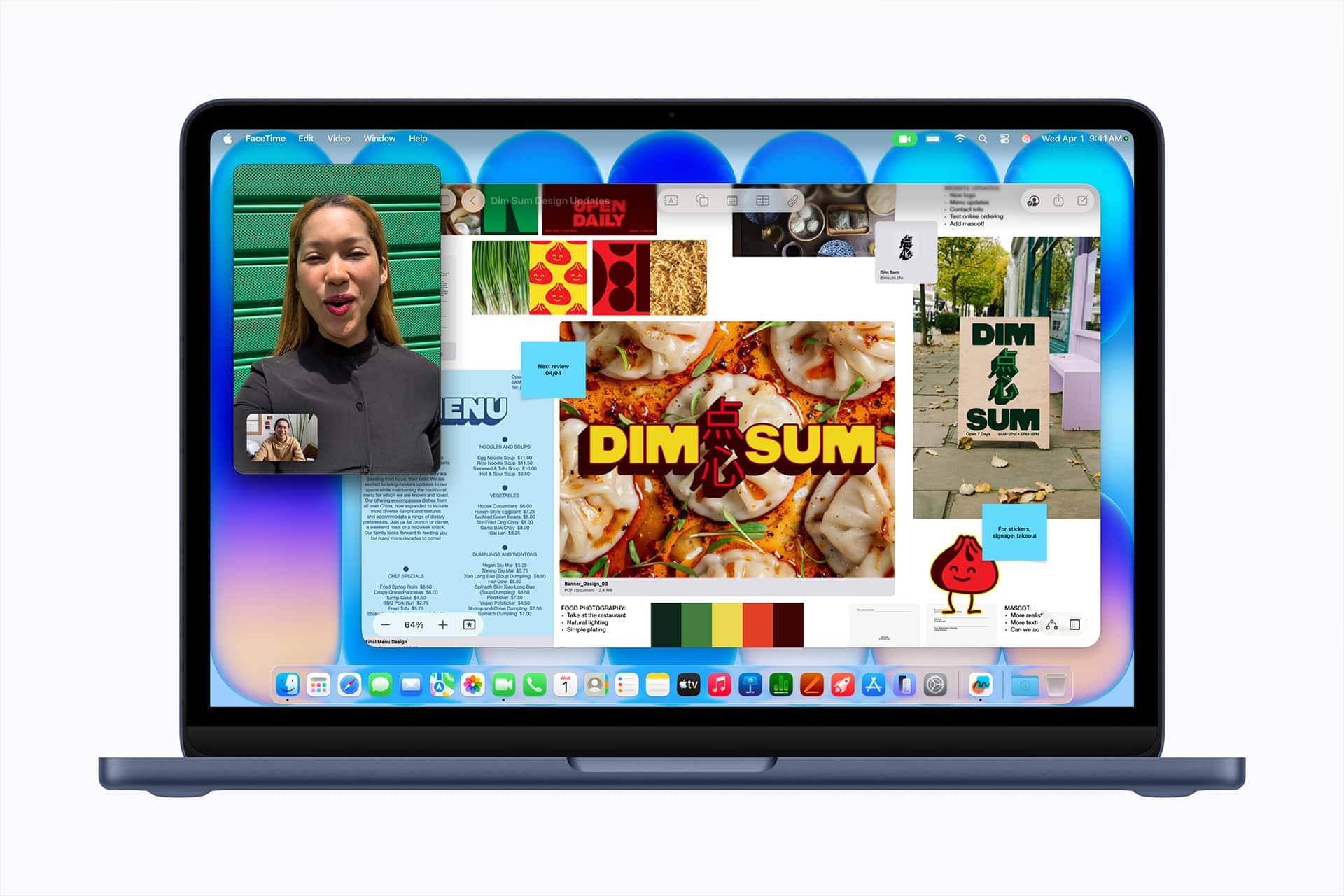
Apple’s role in education did not begin with the MacBook Neo. For decades, Apple reshaped classrooms through early Macintosh deployments, later through iPad expansion, and through structured tools like Apple School Manager and Classroom app. The idea of the “classroom computer” has gradually shifted from shared desktops to personal devices assigned to each student.
Today, many classrooms rely on a mix of iPad and Mac as core infrastructure. Teachers distribute assignments digitally. Students submit work through shared platforms. Presentations move wirelessly from student devices to classroom displays. Apple’s ecosystem has become integrated into the academic workflow rather than sitting on the margins of it.
Now, MacBook Neo adds a new dimension to that structure.
Apple’s Education Foundation Was Built Over Time
From the original Macintosh in schools to large-scale iPad rollouts, Apple has spent decades embedding itself in education. Early adoption introduced graphical computing into classrooms. iPad later introduced touch interaction and mobility, allowing younger students to work without traditional computer labs.
Apple School Manager streamlined device provisioning. Managed Apple IDs allowed schools to configure thousands of devices under a unified administrative structure.
Teachers now use:
Classroom app > View Student Screens > Guide Activity
Students operate within controlled digital environments that balance freedom and structure.
This ecosystem did not appear overnight. It expanded steadily, aligning software tools with hardware reliability.


Why MacBook Neo Matters in This Context
MacBook Neo enters as the most affordable Mac in Apple’s lineup. That price shift directly impacts how schools and families define a classroom computer.
Previously, cost differences often led institutions to adopt Chromebooks at scale. Those devices offered affordability but limited access to desktop-class applications and deeper creative workflows.
MacBook Neo runs full macOS.
It supports:
- Coding environments
- Video editing tools
- Professional creative software
- Standard productivity apps
For schools seeking continuity between middle school, high school, and university-level computing, the Neo narrows the affordability gap.
The device also integrates seamlessly into Apple’s existing education management systems. Administrators can deploy it using the same infrastructure as other Macs.
Apple School Manager > Devices > Assign to School
This consistency simplifies scaling.
Families and the School Season Shift
Back-to-school purchasing cycles drive significant hardware decisions. Families plan months ahead, evaluating durability, compatibility, and longevity.
The introduction of MacBook Neo aligns with that planning window. Some families already embedded in the Apple ecosystem now consider standardizing across all children.
Instead of mixing platforms, they choose one operating system.
Shared calendars sync automatically. Homework assignments move between devices through iCloud.
Parents manage screen time centrally:
Settings > Screen Time > Family Member
This level of integration reduces friction.
For households with multiple children, uniform hardware also simplifies support and maintenance.

Expanding Apple’s Classroom Presence
The term classroom computer once referred to a desktop machine at the front of the room. Today, it describes an ecosystem distributed across every desk.
Apple’s long-term strategy appears to focus on deepening presence rather than merely expanding device count. By offering a lower-cost Mac option, Apple widens the base while maintaining macOS continuity.
MacBook Neo does not replace MacBook Air or MacBook Pro in academic environments. Instead, it broadens the ladder of entry.
A student may begin with iPad in elementary school. Transition to MacBook Neo in middle school. Move to MacBook Air or Pro in higher education.
This structured progression reinforces platform familiarity across years of learning.
The Classroom Computer as Infrastructure
Modern classrooms rely on digital submission systems, cloud storage, collaborative editing, and real-time communication.
Apple devices support:
- AirDrop for file exchange
- iCloud Drive for shared folders
- FaceTime and Messages for group coordination
- Universal Clipboard across devices
The classroom computer is no longer isolated hardware. It is a node inside a larger network.
MacBook Neo strengthens Apple’s ability to define that node at a lower cost tier.
While Apple already reshaped classrooms over the past decades, the introduction of a more accessible Mac reinforces its position in the academic environment. The classroom computer continues to evolve — and Apple’s expanding lineup suggests the company intends to remain central to that evolution.