

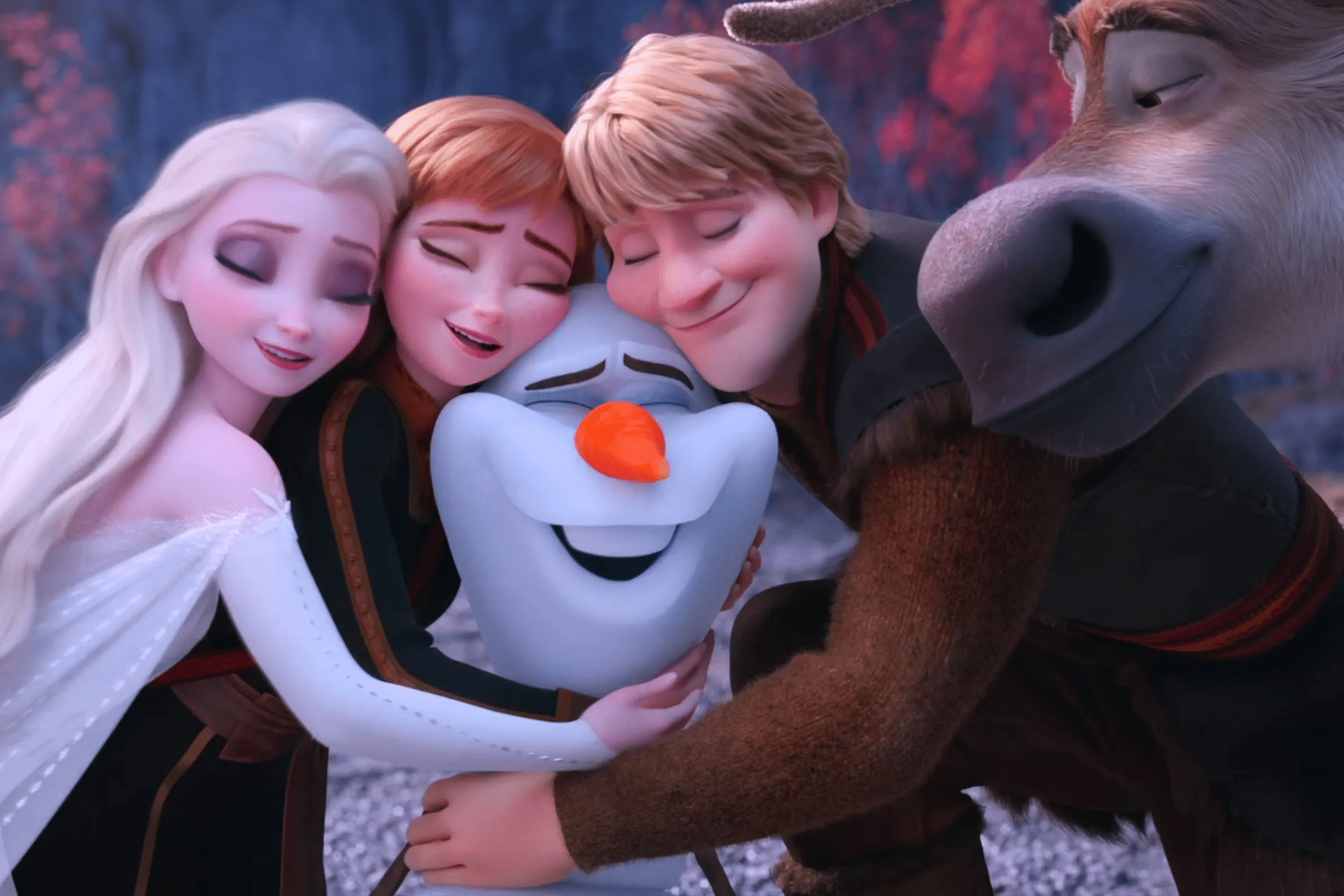
Disney has formally accused Google of infringing its copyrighted works on a large scale through the company’s generative AI systems and issued a cease-and-desist letter demanding immediate corrective action. Attorneys representing Disney allege Google’s AI models were trained on Disney’s protected content without authorization and that the use of that material amounts to widescale commercial exploitation of Disney’s intellectual property. Variety and other outlets have seen portions of the legal demand, which highlights the company’s intention to protect characters and works from franchises such as Frozen, The Lion King, Moana, Deadpool and Star Wars.
Disney’s complaint frames Google’s AI systems — which include platforms such as Gemini, Veo, Imagen and Nano Banana — as effectively reproducing and distributing copies of copyrighted works without authorization, a claim that Disney says cannot be tolerated. The cease-and-desist letter, drafted by law firm Jenner & Block on behalf of Disney, argues that Google’s systems act like a “virtual vending machine” that generates and spreads images and videos based on Disney’s characters, amplifying their presence across consumer channels without proper rights or licensing.
Context for Disney’s Copyright Concerns in AI
The dispute unfolds at a time when major content companies are increasingly asserting their rights over how copyrighted material is used in training and output generation by artificial intelligence systems. Disney’s actions against Google follow earlier cease-and-desist letters sent to other AI platforms and legal actions against companies such as Midjourney and Character.AI for similar alleged infringements.
Google’s response to the cease-and-desist letter emphasizes its longstanding relationship with Disney and points to its use of public web data and copyright management systems — including Google-extended controls and the Content ID system on YouTube — as mechanisms that enable rights holders to manage and protect their works. The company maintains that its AI training processes rely on publicly available information and that it is open to engaging with Disney on these issues while defending its practices as lawful.

Why Copyright and AI Training Practices Are Central to the Dispute
At the heart of the tension is how generative AI models are developed. These systems often require massive datasets to learn patterns and produce outputs. Rights holders such as Disney contend that much of that data comes from copyrighted works that were used without permission, and they argue that companies like Google should negotiate licensing agreements or implement effective safeguards against unauthorized use. The letter to Google not only seeks the cessation of the disputed practices but also demands that Google identify which of Disney’s works were used in training or output generation by its AI systems.
The legal dispute between Disney and Google may influence how intellectual property rights are enforced in the age of generative AI, encouraging both technology companies and content owners to clarify standards around training data, derived content, licensing obligations and compensation for use of protected material. Legal experts and industry observers are watching closely, as outcomes in high-profile cases such as this could shape future regulatory frameworks and licensing models for generative AI development.


