


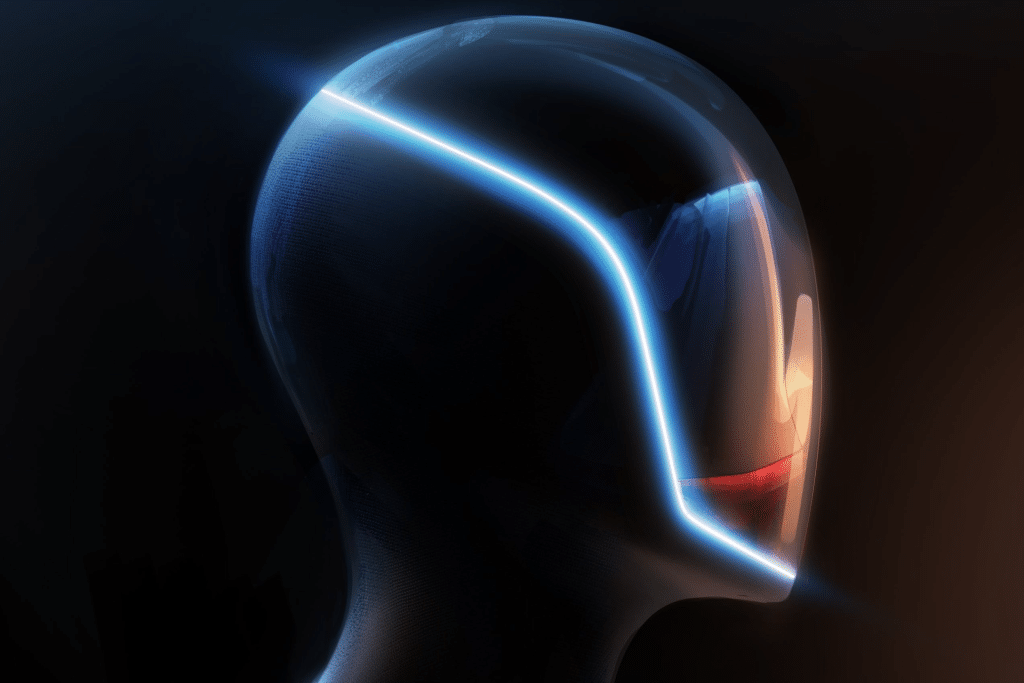
Elon Musk has reiterated his view that robots will eventually perform most physical tasks in homes and workplaces, suggesting that advances in AI models, sensor technology and actuator design are pushing robotics toward broader real-world deployment. Speaking about the trajectory of AI-enabled machines, Musk described humanoid robots as a long-term solution for labor-intensive work and said their capabilities could expand rapidly as software improves. His remarks align with Tesla’s ongoing development of Optimus, the company’s experimental robot platform designed to navigate human environments.
The focus on robotics reflects Musk’s belief that AI systems trained on large-scale real-world data can support complex physical interactions, enabling machines to handle tasks currently limited to human workers. Tesla has integrated robotics research into its manufacturing, autonomy and AI-model development teams, using shared datasets and control frameworks to advance motion-planning and perception. The approach positions Optimus not only as a robotic device but as part of a broader AI stack designed to transfer software capabilities across both vehicles and machines.

Why Musk Sees Robotics as the Next Major Shift
Tesla’s robotics work builds on its expertise in computer vision, actuation and real-world training pipelines originally created for autonomous driving.
Humanoid designs are intended to fit inside existing environments without requiring specialized layouts, making them practical for factories, logistics and household tasks.
Advances in AI reasoning and long-context planning enable more complex behaviors, expanding potential use cases beyond repetitive movements.
Manufacturing insiders note that Tesla continues to test Optimus units in controlled production settings, where the robots handle simple tasks that do not require high force or extreme precision. These trials allow engineers to refine balance, manipulation and decision-making systems while gathering data on reliability under continuous operation. Musk has suggested that broader deployment could begin once testing demonstrates stability across longer intervals and diverse conditions.

Industry Context and Emerging Use Cases
Several robotics companies worldwide are developing humanoid systems, targeting automation in warehouses, factories and service environments. While progress has accelerated, widespread deployment still depends on improved battery efficiency, cost reduction and long-term durability.
AI model integration is becoming increasingly central to robotics development as companies apply multimodal systems to navigation, object recognition and task sequencing.
Pilot programs in manufacturing and logistics show early promise, though large-scale adoption relies on predictable performance and manageable maintenance cycles.
Analysts watching the sector say Musk’s comments reflect a growing consensus that robotics will expand as AI systems develop stronger planning and generalized-task capabilities. The shift parallels how autonomous-vehicle research fed into robotics, enabling companies to reuse perception pipelines, sensor models and simulation tools. Tesla’s strategy appears to follow this pattern, aligning robot training with datasets gathered from its broader ecosystem.

Future Development
Humanoid robots could eventually support tasks ranging from material handling to home assistance, but most firms remain in early testing and low-volume deployment phases.
As AI models become more capable, robots may transition from structured, repetitive roles to more adaptive use cases requiring situational judgment.
Companies adopting robotics are expected to integrate them gradually, balancing productivity gains with safety standards and workforce coordination.
For Tesla, Musk’s emphasis on robotics signals that the company views Optimus as a significant part of its long-term roadmap, even as development continues behind the scenes. The pace of progress will depend on improving component costs, refining software autonomy and ensuring consistent performance in real-world environments.

