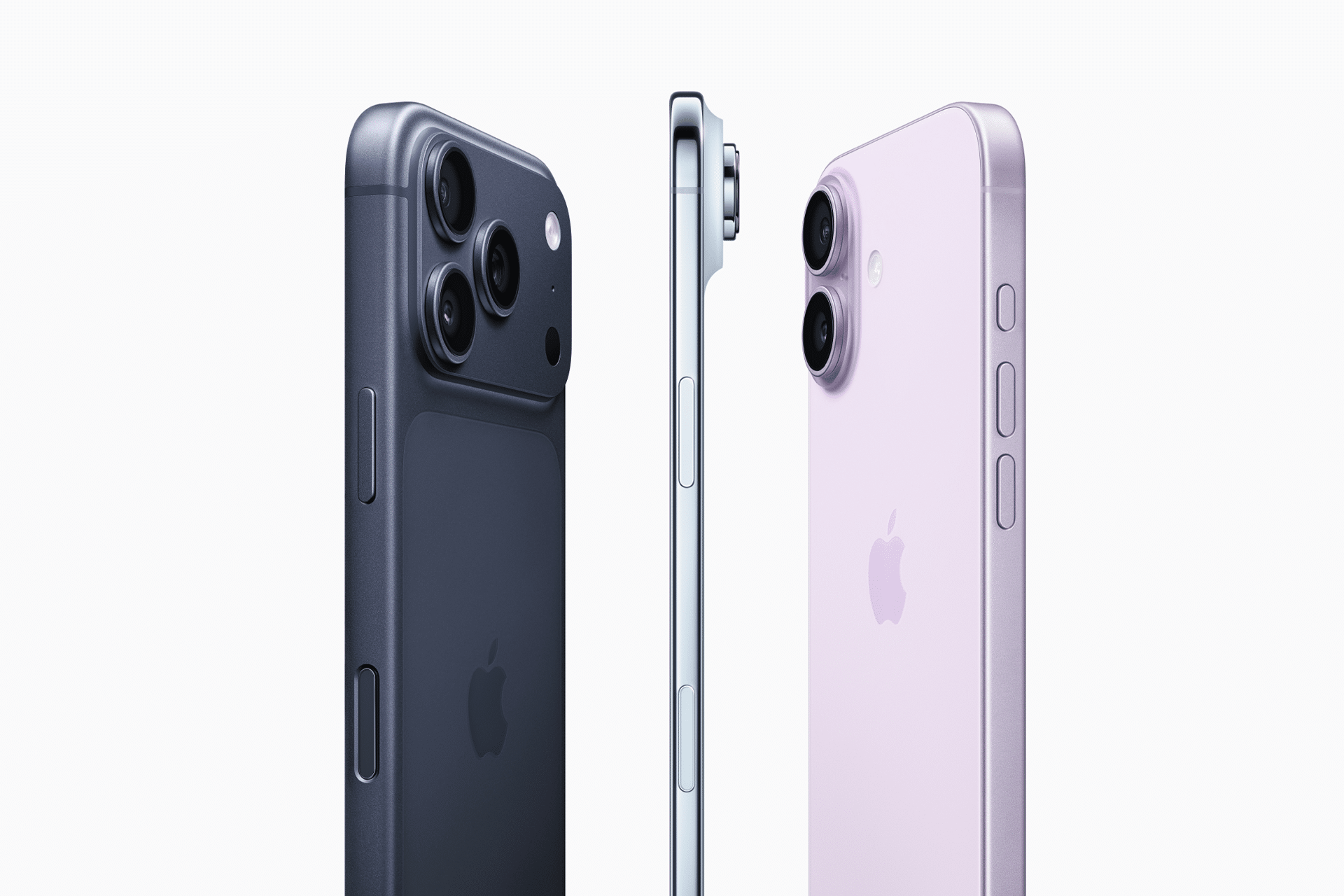
Apple shipped 36.9 million iPhones across Europe in 2025, marking a 6% year-over-year increase and securing a record 27% share of the regional smartphone market, according to research firm Omdia. The milestone stands out not only for the growth itself, but for the timing. Europe’s broader smartphone market declined by 1% to 134.2 million units during the same period.
Against a backdrop of regulatory changes, shifting consumer demand, and tighter economic conditions in parts of the continent, Apple managed to expand its footprint. That contrast tells an important story about brand positioning, product alignment, and long upgrade cycles in mature markets.
A Record Share in a Contracting Market
Europe is not an emerging smartphone region. It is highly competitive, saturated, and deeply influenced by regulatory frameworks. Omdia’s data shows the overall market softened last year, weighed down by slower replacement cycles and new eco-design requirements introduced by the European Union.
Despite that, Apple increased shipments. A 27% share in Europe represents its strongest performance to date in the region. The figure places Apple ahead of several Android competitors that have traditionally relied on aggressive pricing strategies.
Regulatory shifts also played a role. The European Union’s requirement for USB-C across new devices affected manufacturers unevenly. Apple had already transitioned to USB-C in its recent iPhone lineup, aligning quickly with compliance standards. That shift reduced friction for buyers concerned about compatibility and long-term support.
At the same time, new eco-design regulations focusing on sustainability, repairability, and device longevity created additional complexity for manufacturers. Apple’s existing emphasis on long software support cycles and hardware durability may have helped maintain buyer confidence.

Why Europe Matters
Europe is one of Apple’s most important geographic segments outside the United States. It includes markets with high purchasing power, strong carrier relationships, and a consumer base that closely follows privacy standards and digital policy developments.
The 36.9 million iPhones shipped represent not only device sales but potential long-term services engagement. Each new iPhone expands Apple’s active installed base across the continent. That base drives recurring revenue through services such as iCloud, Apple Music, Apple TV, and other subscriptions.
In a mature market, growth rarely comes from first-time buyers. It comes from switching and upgrades. Apple’s 6% increase suggests that it continued to attract users from competing platforms while maintaining loyalty among existing customers.
Eco-Design
The European Union’s eco-design framework emphasizes longer product life, accessible repair information, and sustainable component sourcing. While some manufacturers faced adaptation challenges, Apple’s recent device designs were already moving in that direction.
The mandatory USB-C requirement, which reshaped charging standards across the bloc, removed one longstanding point of differentiation. With Lightning phased out in favor of USB-C on recent models, Apple aligned with EU standards without introducing product delays.
For consumers, that transition simplified accessory compatibility across devices. A single cable now serves phones, tablets, and many laptops. In a region attentive to environmental impact and device lifecycle, that simplification resonates.
Market Share Strategy
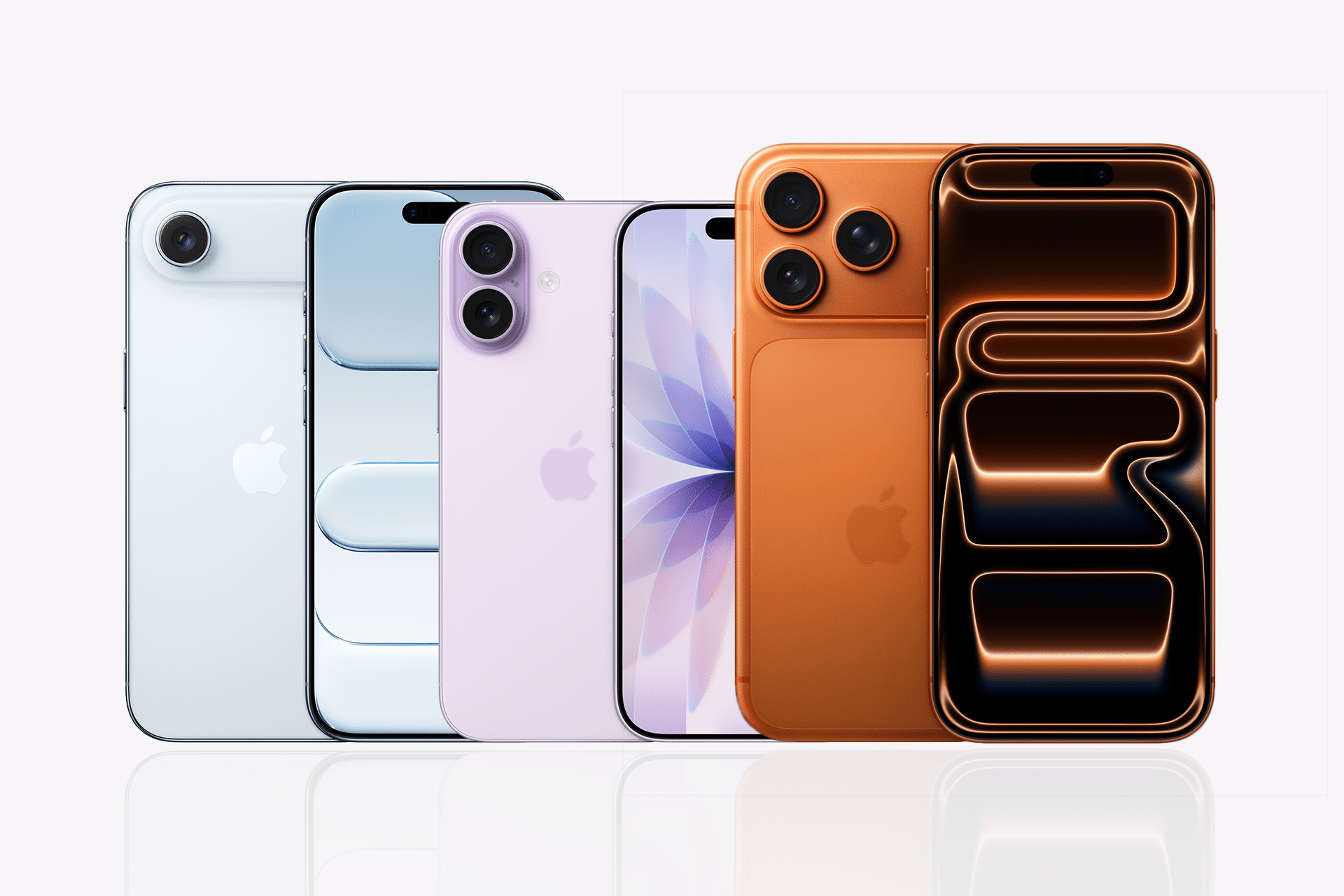
Capturing 27% of Europe’s smartphone market in a down year highlights Apple’s resilience in premium segments. While the overall market declined by 1%, Apple expanded. That differential indicates relative strength rather than simple cyclical improvement.
European consumers often prioritize longevity, resale value, and ecosystem integration. Longer software update support plays a role in purchase decisions, particularly as replacement cycles stretch beyond three years.
Apple’s installed base growth in Europe also feeds into its broader global total, recently reported at more than 2.5 billion active devices worldwide. Europe contributes meaningfully to that number.
The Competitive Landscape
Android manufacturers remain deeply embedded across Europe, especially in mid-range and entry-level segments. However, regulatory pressures and softer demand create tighter margins in those categories.
Apple operates primarily in the premium tier, where margins and brand equity remain comparatively stable. By focusing on high-value segments rather than chasing volume at the low end, Apple’s strategy in Europe has centered on consistency rather than rapid price competition.
Omdia’s data underscores that approach. In a year when total European smartphone shipments fell to 134.2 million units, Apple’s 36.9 million shipments represent both scale and stability.
Europe’s market is shaped by policy, consumer awareness, and economic shifts. Within that environment, Apple’s record share suggests that alignment between regulation, product design, and ecosystem strategy can translate into measurable gains.