
FaceTime now sits where the regular phone call used to live. Not because people suddenly dislike talking, but because communication changed shape. A quick check-in often starts as a text, turns into a voice note, and ends as a video call with someone showing you what they mean. It’s less “call me” and more “come into this moment with me.” FaceTime fits that perfectly: it’s simple when you want it to be, and surprisingly powerful when you need more than voice.
Traditional calls are still around, of course. They’re just used differently. Many people save them for something that feels formal, urgent, or “official.” For everyday life, messaging apps and video calls feel lighter. They let you respond when you can, keep conversations going without pressure, and add context that a classic call can’t deliver. A face, a smile, a quick view of a broken setting on a screen, a “look at this” tour of a new apartment—those small details are now part of normal communication.
FaceTime works because it makes all of that feel natural. It doesn’t ask you to learn a new way to talk. It simply expands what “talking” can include.


Calling Habits Are Shifting
Across the industry, voice-call minutes have been trending downward as more communication moves to internet-based messaging and calling. In the UK, Ofcom reported year-over-year declines in mobile-originated voice call minutes, a pattern that reflects how people increasingly rely on data-driven apps for communication.
The bigger story is behavior. Messaging creates a continuous thread: you can share a photo, drop a location, send a quick reaction, then hop into a call when it makes sense. Apps like WhatsApp and Messages made this flow normal. Calls are no longer the only “real-time” option. Video, audio messages, and group chats all count as real connection now.
There’s also a comfort factor. A classic call demands attention right now. A message can wait. A FaceTime call, when it happens, often feels more intentional—more like a small visit than an interruption.
What FaceTime Adds That Messaging Apps Don’t
FaceTime’s best feature is not the video. It’s the feeling of presence. When someone answers, you immediately pick up tone, expression, and mood. It prevents the tiny misunderstandings that happen when text is doing all the work.
But FaceTime has also become a collaboration tool. Screen sharing turns a call into “let me show you” instead of “try tapping this, no, not that.” Apple’s own FaceTime guidance walks through how screen sharing works and how it pulls apps and webpages into the conversation.
SharePlay is another example of FaceTime moving beyond conversation into shared time. Watching, listening, or even playing together while on a call makes distance feel smaller, especially for families and close friends. Apple documents SharePlay as a built-in way to stream content in sync while staying on FaceTime.
And for people who help others with tech, FaceTime has become a practical support line. Someone can share their screen, point at what they’re seeing, and solve a problem without guessing. That’s a different kind of “call,” and it’s one reason voice-only calls feel limited now.

How FaceTime Fits Into Daily Life
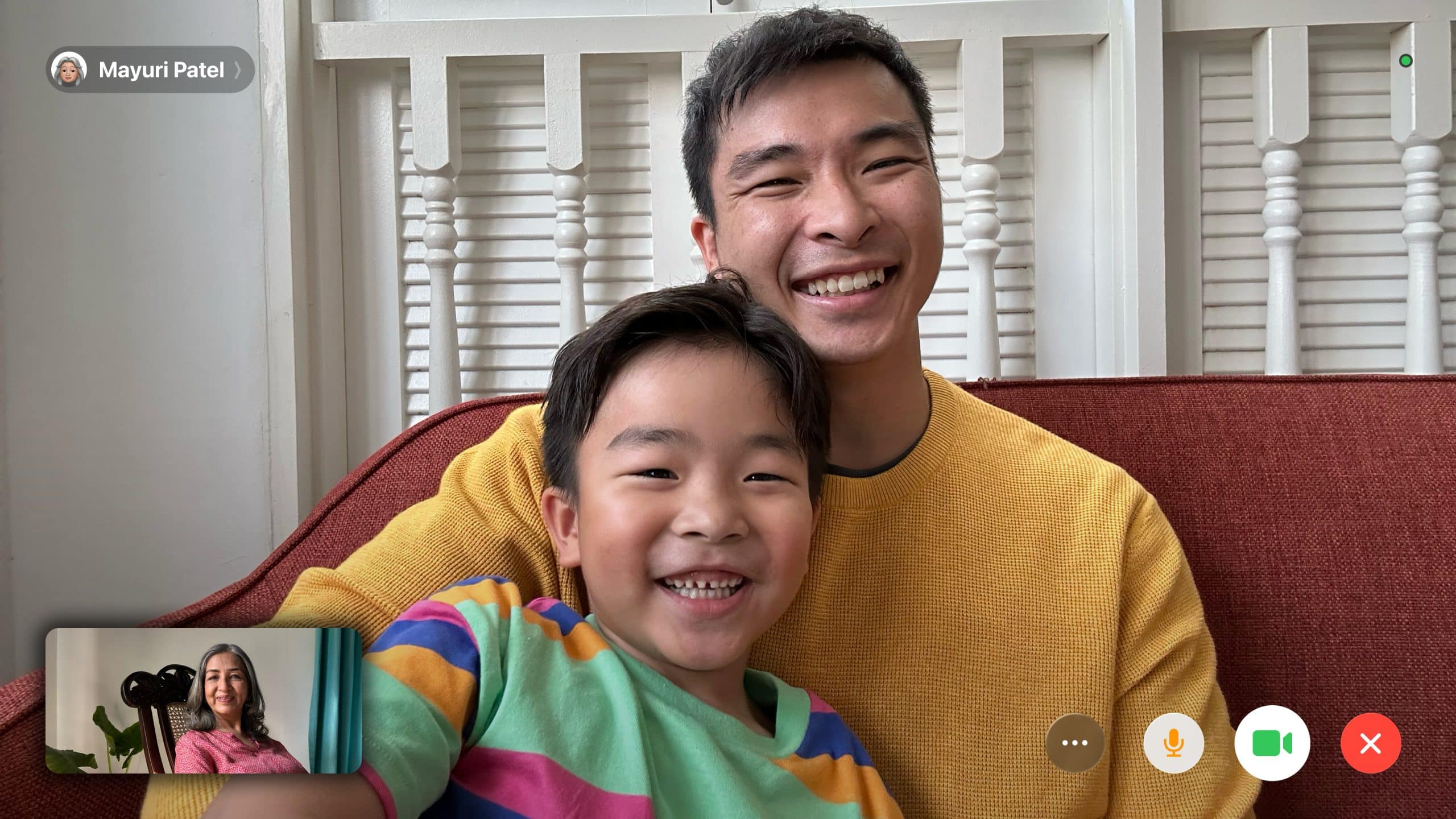
FaceTime works best when it’s treated as a normal extension of messaging, not an event. It’s the quick “show me” call when your friend is choosing between two outfits. It’s the short video hello when a family member wants to see the kids. It’s the “can you look at this setting?” moment that would take ten frustrating messages to explain.
It’s also become a more human option for modern work. Remote teams still live in chat apps, but the fastest way to align is often a short FaceTime audio call, especially when you want clarity without scheduling a formal meeting.
None of this requires FaceTime to replace everything. It simply takes over the middle ground—where a phone call used to be the default. Now, the default is context-rich communication, and FaceTime is built for that.
As more communication moves into apps, the winners will be the ones that feel effortless while still offering depth when needed. FaceTime is already there: a single tap when you want a real conversation, and a set of features that make the call useful beyond talking.
The classic phone call won’t vanish. But it’s no longer the center. FaceTime is, and its role grows every time someone chooses “show you” instead of “tell you.”