
Figure AI could become the kind of acquisition scenario Apple rarely finds: expensive, difficult, strategically risky, but potentially powerful enough to change the company’s position in artificial intelligence and robotics at the same time. This is not a rumor or a claim that Apple is negotiating to buy Figure. It is a scenario analysis based on timing, product fit, market pressure, and the missing pieces in Apple’s current AI strategy.
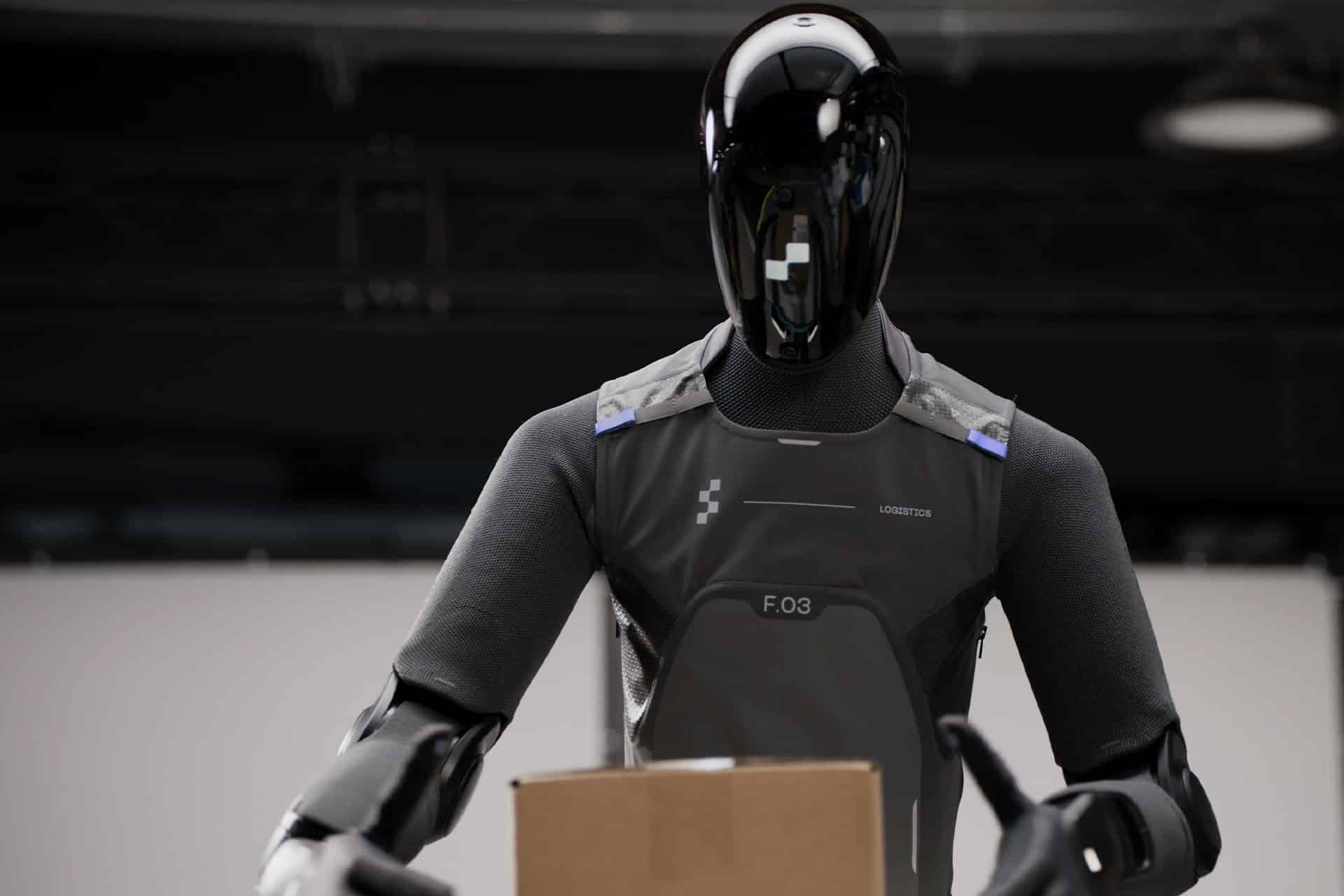
Apple has hardware depth, custom silicon, industrial design, privacy architecture, Vision Pro, sensors, home devices, Apple Intelligence, and a global consumer ecosystem. What it does not have is a visible, advanced humanoid robotics platform that can show the physical side of AI. Figure AI has exactly that: a fast-moving humanoid robotics company, a third-generation robot called Figure 03, a Helix AI system built for embodied tasks, and a manufacturing roadmap through BotQ.
Figure’s valuation makes the scenario serious. Reuters reported that Figure secured more than $1 billion in committed Series C capital in 2025 at a $39 billion post-money valuation. That is not a small startup Apple could quietly absorb. It would be one of Apple’s largest strategic acquisition debates ever. But Apple is also a company worth roughly $3.5 trillion, with a product future that increasingly depends on turning AI into something users can see, touch, and use outside a chat window.
The reason this cannot be ignored is simple: humanoid robotics may become the next platform race after smartphones, cloud AI, and spatial computing. Tesla is pushing Optimus as part of its long-term future, with Elon Musk repeatedly describing robotics as central to Tesla’s value. Hyundai plans to deploy Boston Dynamics humanoid robots at its Georgia factory starting in 2028 and aims to manufacture 30,000 units per year over time. Figure says its BotQ facility is designed to scale Figure 03 production, and its public materials describe a path toward 100,000 robots over four years.
For Apple, acquiring Figure would not be about buying a robot. It would be about buying a position in physical AI before the market hardens around Tesla, Google-backed robotics, Boston Dynamics, Chinese humanoid makers, and industrial automation players.


Figure AI Fills Apple’s Missing Robotics Layer
Figure AI would fit Apple because it addresses a clear gap. Apple Intelligence gives Apple a software AI layer. Vision Pro gives Apple spatial computing. Apple Silicon gives Apple control over performance and efficiency. HomePod and Apple TV give Apple living-room and home surfaces. The Mac and iPad give Apple creative and productivity endpoints. But Apple still lacks a physical agent that can operate in the real world.
A humanoid robot would give Apple a new kind of device category. Not a phone, not a computer, not a headset, not a speaker, not a watch. A machine that can perceive, move, manipulate, communicate, and eventually perform practical tasks in homes, stores, care environments, logistics centers, labs, and Apple’s own operations.
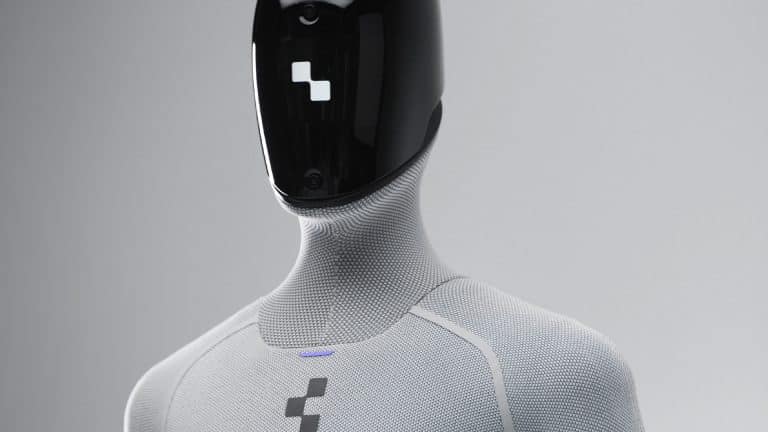
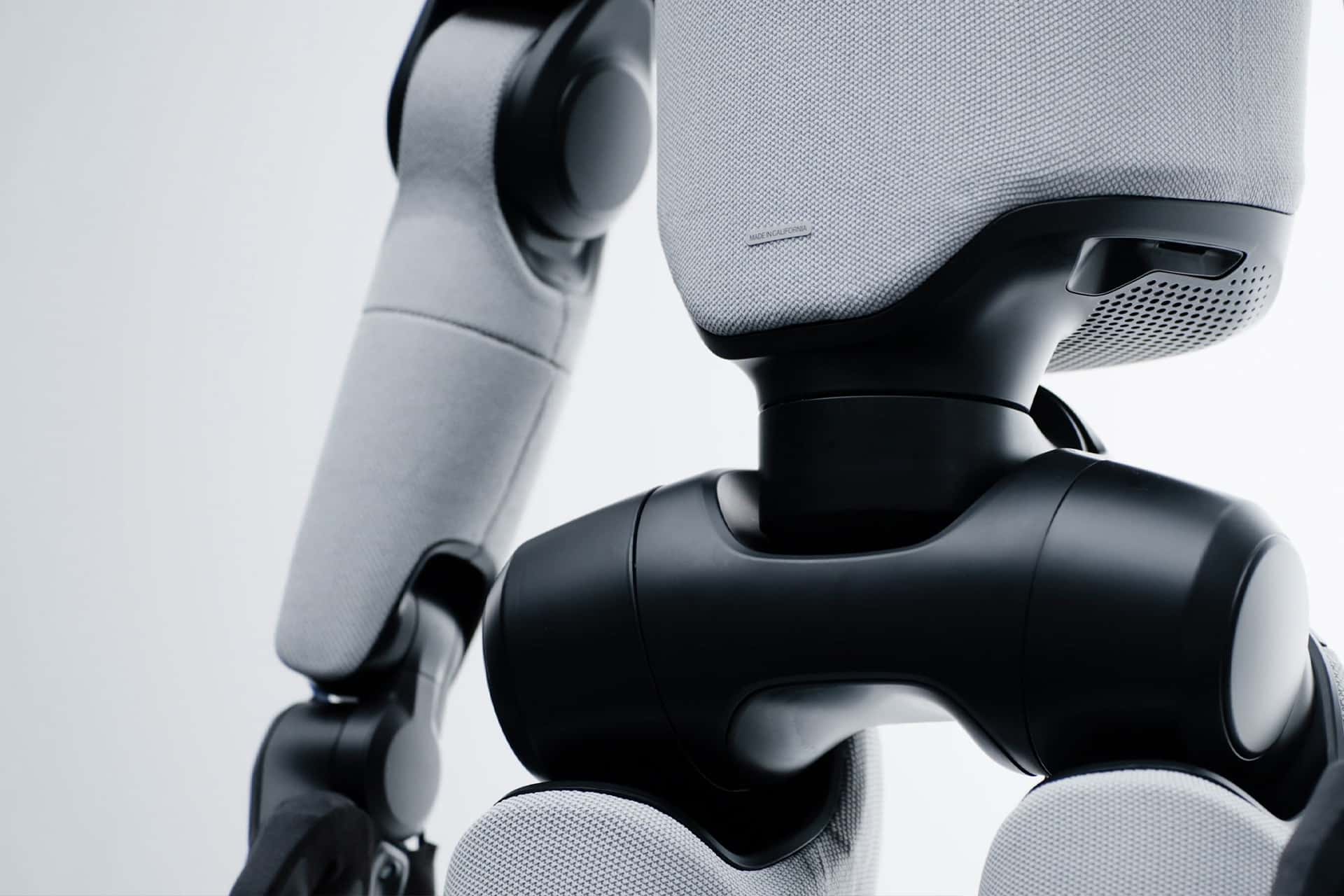
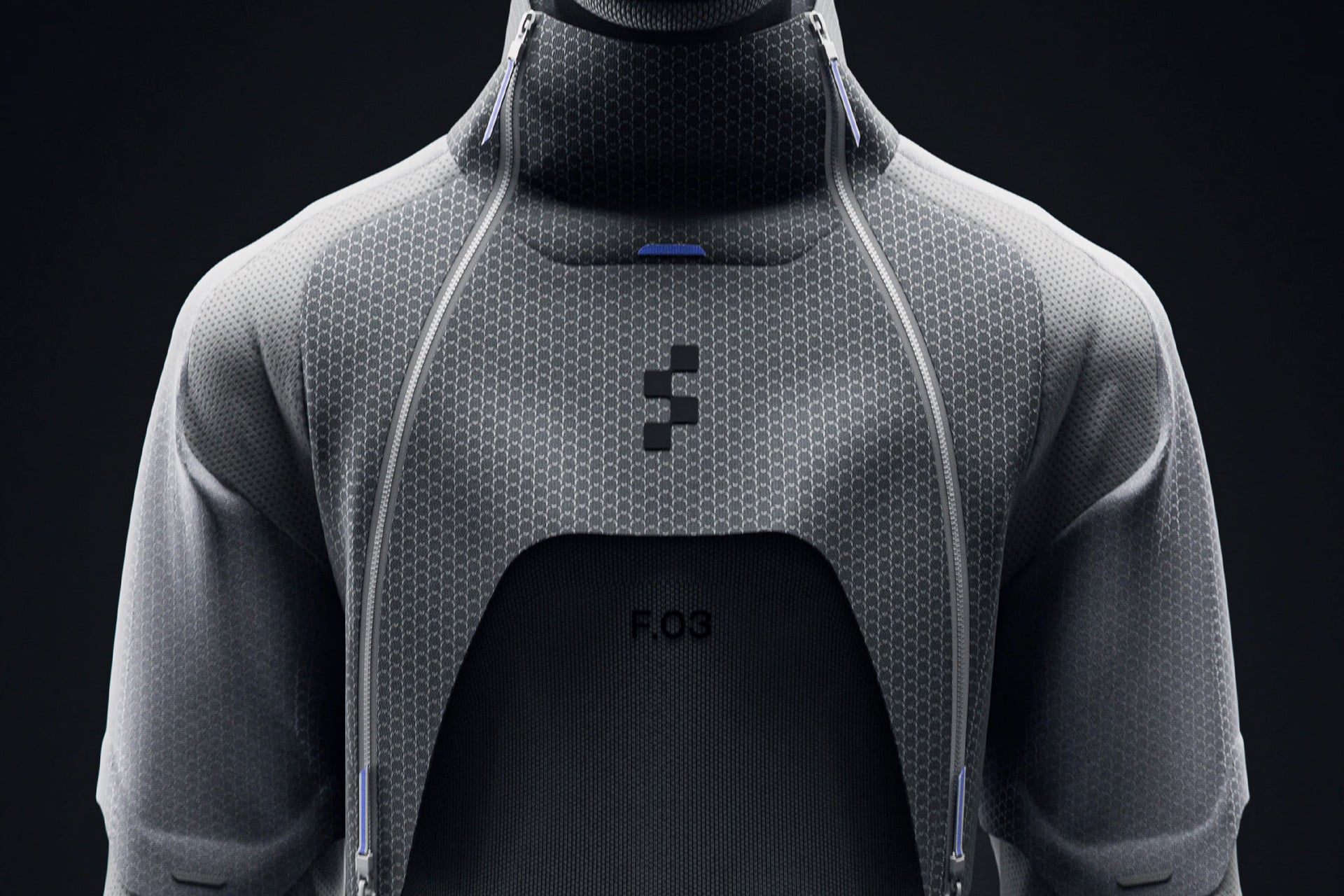
Figure 03 is important because it was presented as a robot designed for Helix, the home, and large-scale production. Figure says the model includes a redesigned sensory suite, improved hands, tactile sensing, palm cameras, softer materials for home use, wireless inductive charging, washable textiles, and hardware intended for mass production. The company has also shown Figure 03 robots sorting packages during extended autonomous demonstrations, including an eight-hour livestreamed shift that drew attention and skepticism at the same time.
That skepticism is healthy. Robotics demos often run ahead of commercial reality. Humanoid robots still face enormous problems: cost, safety, battery life, dexterity, durability, reliability, home variability, legal liability, training data, manufacturing yield, and real-world deployment. Apple would not be buying a finished mass-market product. It would be buying a platform that could become one.
That is exactly why the timing is interesting. Apple usually avoids buying companies after the category becomes fully priced and mature. Figure is already expensive, but the humanoid market is still early enough that Apple could shape it rather than enter as a late follower.
The Numbers Make the Race More Urgent
Figure AI’s $39 billion valuation shows how quickly investor expectations have moved toward humanoid robotics. The company was valued at $2.6 billion after raising $675 million in 2024, then jumped dramatically after the 2025 funding round. That increase reflects the broader belief that physical AI could become a major economic category.
Market forecasts vary widely because humanoid robotics is still early. Grand View Research estimated the global humanoid robot market at $1.55 billion in 2024 and projected it to reach $4.04 billion by 2030. MarketsandMarkets projected a much larger move, from $2.92 billion in 2025 to $15.26 billion by 2030, with a 39.2% compound annual growth rate. ABI Research projected the humanoid market at $6.5 billion by the end of the decade, with a very high growth rate from a small base. UBS has projected a much larger long-term opportunity, with millions of humanoids in the workforce within a decade and a potential market reaching tens of billions by 2035.
Those numbers are not guarantees. They show how uncertain and explosive the category has become. The range itself is the story. Analysts disagree on the exact size, but they agree that humanoid robots are moving from lab demonstration toward commercial deployment.
Tesla is the pressure point. Musk has repeatedly made ambitious Optimus claims, but recent Reuters reporting said Optimus output would start “agonizingly slow,” with production hopefully beginning toward the end of 2026. Other reports around Tesla’s roadmap have pointed to a public release in 2027 and a larger dedicated production strategy later. Even if Tesla misses some targets, the company has manufacturing scale, battery expertise, AI ambition, and a public narrative around physical AI that Apple does not yet have.
That creates an opening and a risk. If Apple waits until humanoid robotics becomes obvious, the best companies may be too expensive, too committed to other partners, or too far into rival ecosystems. Figure may be one of the few U.S.-based humanoid companies with enough technical progress, capital, ambition, and consumer-facing imagination to fit Apple’s long-term needs.
Why Figure AI
Figure AI would not turn Apple into Tesla. That is part of the appeal. Tesla’s robotics path is tied to factories, vehicles, AI training, manufacturing automation, and Musk’s broader physical AI narrative. Apple’s path would likely be different: safer, slower, more design-driven, more privacy-focused, and more tightly connected to personal technology.
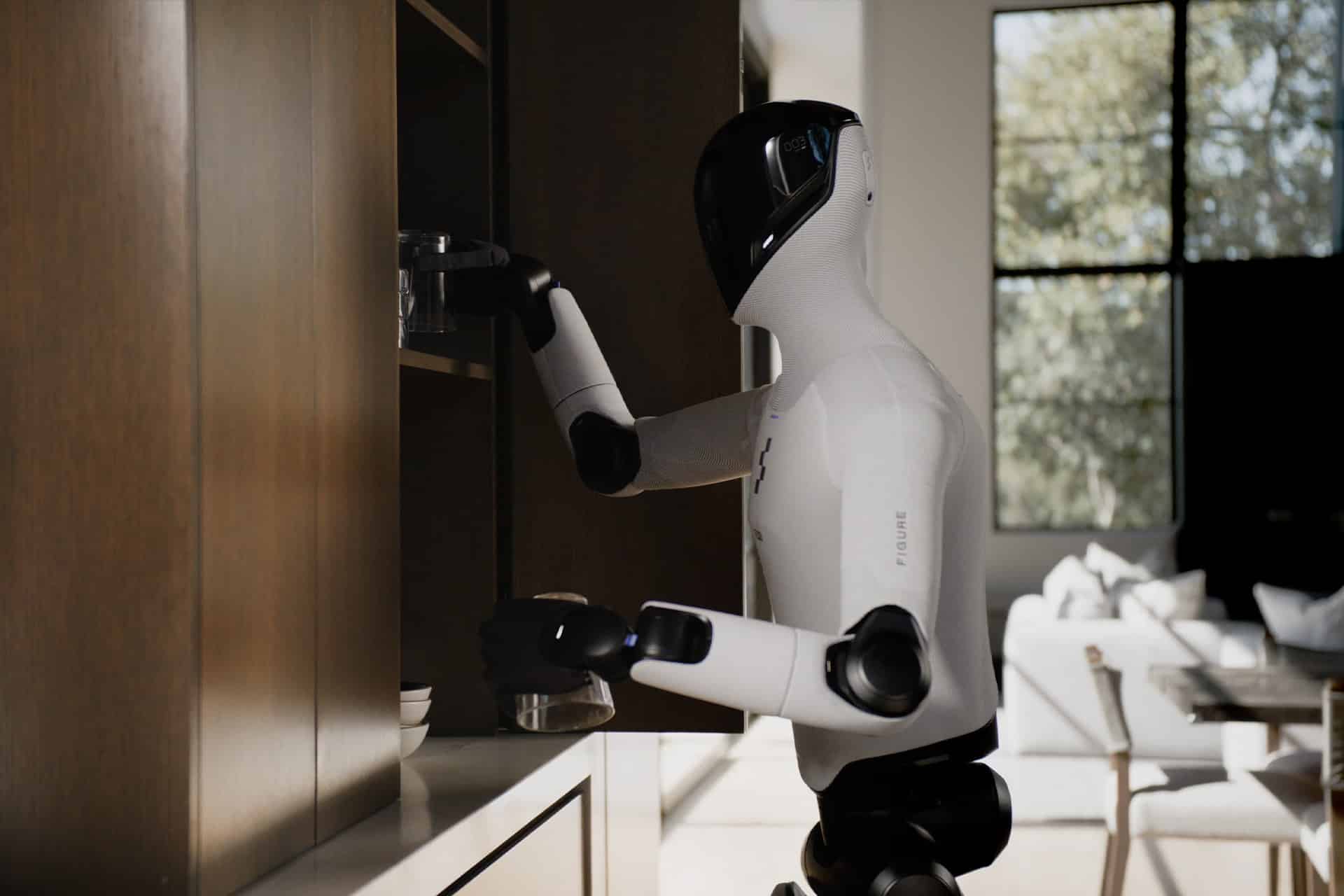
A Figure-powered Apple robotics strategy could begin in controlled environments rather than general home deployment. Apple could use robots inside its own operations, retail logistics, labs, supply-chain partners, accessibility research, and developer programs before selling anything to consumers. That would let Apple refine hardware, safety, software, and manufacturing without rushing a robot into homes too early.
Over time, the match becomes stronger. Apple has the ecosystem pieces Figure lacks. A home robot could connect with iPhone, Apple Watch, Vision Pro, HomePod, Apple TV, iCloud, Apple Intelligence, Siri, Maps, Home, FaceTime, and accessibility features. Vision Pro could train or supervise spatial tasks. iPhone could act as a setup and control device. Apple Watch could provide personal identity and health context. HomePod could provide room-level voice access. Apple Silicon could eventually move into robotics compute.
Figure has the embodied platform Apple lacks. Apple has the consumer trust, silicon, design, privacy, developer ecosystem, retail reach, and supply-chain discipline Figure would need to become more than an industrial robotics company.
That combination is why the scenario is powerful. Figure alone has to build a robotics company. Apple plus Figure could build a robotics platform.
The Johny Srouji Factor
Figure AI would also fit the new Apple hardware structure under Johny Srouji. Apple is reorganizing hardware development to bring silicon, product design, platforms, partnerships, and future devices closer together. Robotics is exactly the kind of category that requires that structure.
A humanoid robot is not one product team. It is chips, sensors, batteries, motors, actuators, cameras, displays, audio, wireless, machine learning, safety systems, manufacturing, materials, software, app frameworks, developer tools, and industrial design. It requires the kind of deep hardware-software integration Apple has spent years perfecting.
Srouji’s expanded hardware role could make an acquisition like Figure easier to absorb strategically. Apple would not simply add Figure as an independent robotics lab. It could connect Figure’s platform with Apple Silicon, Vision Pro, Apple Intelligence, home devices, and future product teams. John Ternus, as incoming CEO, would inherit a robotics path that feels less like a moonshot and more like a new hardware pillar.
That is the difference between buying a startup and building a category. Apple’s structure now appears more prepared for physical AI than it was a few years ago.
The Acquisition Scenario
Figure AI would not be an easy acquisition. At a $39 billion valuation, a deal would likely require a large premium, potentially moving the price into a range Apple has historically avoided. Apple’s largest acquisition remains Beats at $3 billion. Buying Figure would be a different order of magnitude.
There would also be cultural risk. Figure is a fast-moving robotics startup. Apple is secretive, controlled, and careful. Robotics development benefits from public demonstrations, industrial pilots, and rapid iteration. Apple often prefers silence until a product is polished. Integrating those cultures would be difficult.
Regulatory attention would also be likely. A major Apple acquisition in AI robotics could attract scrutiny in the U.S., Europe, and other markets, especially because Apple already controls large device ecosystems. Regulators may ask whether Apple would lock robotics into its own services, restrict developers, or use ecosystem control to dominate a future category.
There is also the product risk. Humanoid robots may take longer than investors expect. Homes are hard environments. Robots must handle stairs, clutter, pets, children, spills, fragile objects, unpredictable humans, privacy-sensitive spaces, and safety obligations. The first consumer robot that fails publicly could damage trust quickly.
Apple would need to move cautiously. A rushed home robot would be a mistake. A staged strategy across enterprise, controlled home tasks, accessibility support, retail operations, and developer experimentation would make more sense.
The Genius Move Would Be Timing
Figure AI could be a genius acquisition only if Apple makes the move before humanoid robotics becomes a finished race. The timing is what makes the scenario compelling. Apple is under pressure to show that Apple Intelligence is more than delayed Siri features. Tesla is trying to reframe itself around robotics and autonomy. Google is pushing Gemini into agents and multimodal AI. Nvidia is building the compute layer for physical AI. Hyundai and Boston Dynamics are preparing industrial deployments. Chinese humanoid companies are accelerating production and public demos.
Apple cannot win physical AI with a chatbot alone. It needs a body for AI, or at least a credible path toward one. Figure could provide that body.
The F.03 model makes the scenario more urgent because it gives Figure a clearer product direction: home, factory, scale, Helix, tactile hands, safer materials, wireless charging, and production-focused design. It is not only a lab robot walking on stage. It is a humanoid platform trying to move into practical environments.
Apple could take that platform and give it the missing consumer layer. Siri becomes the interface. Apple Intelligence becomes the reasoning layer. Vision Pro becomes the spatial training and supervision surface. Apple Silicon becomes the compute roadmap. Home becomes the environment. iPhone becomes the controller and identity device. Apple Watch becomes the personal context device. Accessibility becomes one of the first meaningful use cases.
That would move Apple from AI underdog to physical AI contender.
What Apple Could Build First
An Apple-owned Figure would not need to start with a full home assistant for every customer. The first useful products or deployments could be more controlled.
Apple could begin with internal robotics in labs, factories, logistics partners, Apple Stores, and repair facilities. Robots could handle repetitive movement, inventory, package sorting, testing support, and controlled manipulation. These environments would give Apple data and reliability lessons without placing robots immediately into consumer homes.
A second phase could focus on accessibility and assisted living. A robot that can pick up objects, bring items, operate simple home controls, or assist with routine tasks could be meaningful for some users with mobility limitations, older adults, or caregivers. Apple would need clinical and safety partnerships, but accessibility could become a serious reason for robotics to exist inside the Apple ecosystem.
A third phase could move into the home. That would require much stronger safety, affordability, privacy, and reliability. Apple would need to decide whether the robot is a helper, telepresence device, home automation agent, mobility assistant, or all-purpose household machine. A general-purpose home robot is the dream, but Apple would likely need narrower entry points first.
The strongest Apple strategy would be practical, not theatrical. Start where robots can do measurable work. Expand only when the product is safe and useful enough for daily life.
From Siri to Physical AI Leader
Figure AI could give Apple the kind of strategic leap it has not made in years. Apple missed the first wave of public AI excitement. ChatGPT, Gemini, Claude, and Copilot defined the consumer AI conversation before Apple Intelligence arrived. Siri delays damaged confidence. Developers are waiting for Apple to prove its AI platform at WWDC26.
Robotics would give Apple a different lane. Instead of only chasing chatbot capability, Apple could combine AI with hardware, design, privacy, sensors, spatial computing, and home presence. That is where Apple has always been strongest: turning advanced technology into integrated products.
Figure would not solve Apple’s AI problems overnight. Apple would still need better Siri, stronger developer tools, faster model progress, and clearer AI messaging. But Figure could give Apple a future category where the company’s strengths matter more than pure cloud-model scale.
This is why the scenario deserves serious attention. Apple does not need to buy Figure because it is fashionable. It would buy Figure because physical AI may become the next major computing platform, and Apple’s ecosystem currently lacks a body.
The deal would be expensive. The integration would be difficult. The product path would be long. The risks would be enormous. But the upside is rare: Apple could move from reacting to the AI race to defining the consumer robotics race.
If Apple wants the next great platform after iPhone, Mac, Watch, and Vision Pro, it may need to think beyond screens. Figure AI is one of the few companies that could make that move credible fast enough to matter.