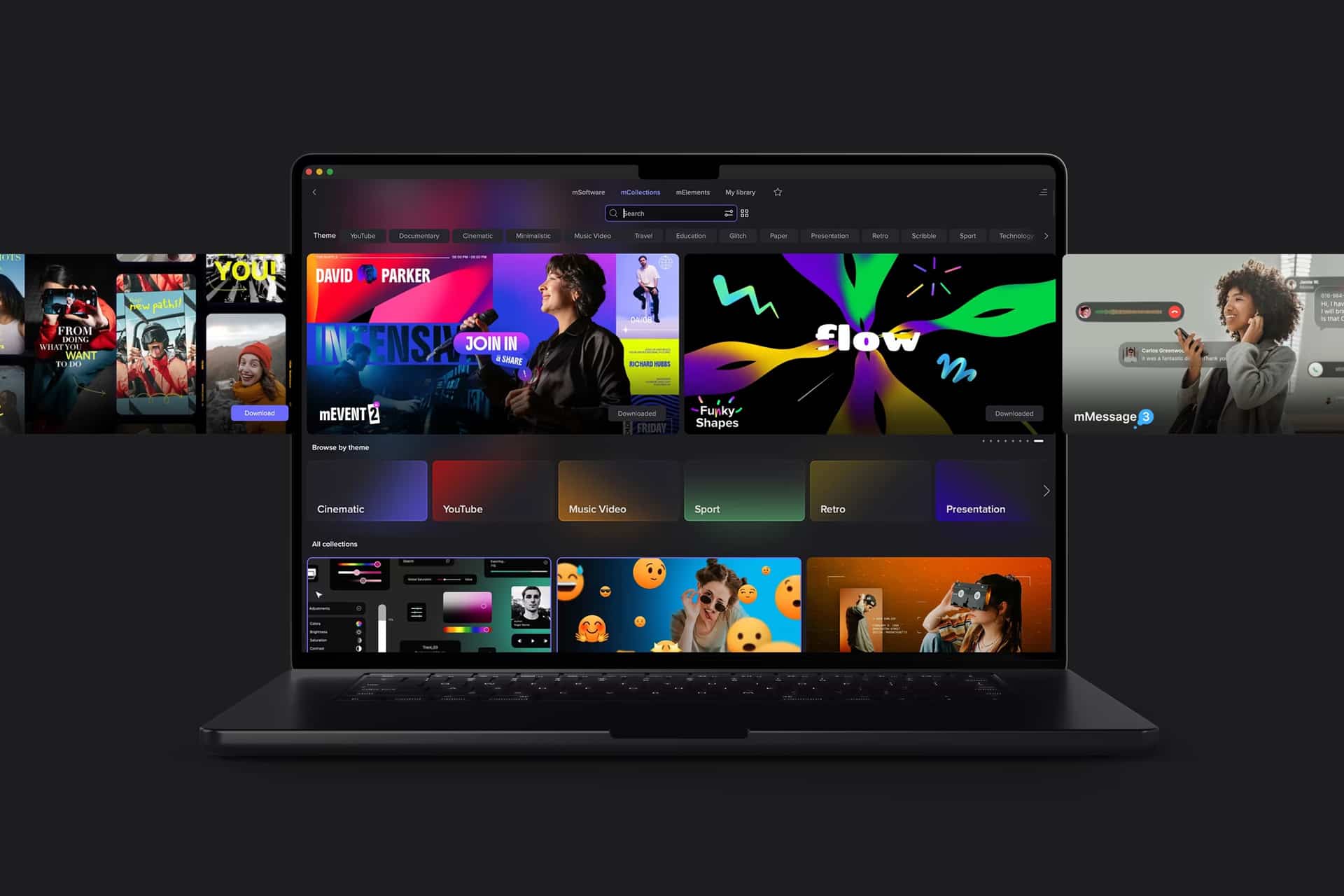
Apple has acquired MotionVFX, a well-known developer of professional plugins and visual effects tools widely used by Final Cut Pro editors. The company, founded in Poland in 2009 by Szymon Masiak, built its reputation by creating high‑quality motion graphics templates, transitions, titles, and visual effects designed specifically for modern video editing workflows.
For Final Cut Pro users, MotionVFX has long been one of the most recognizable names in the plugin ecosystem. Its tools help editors expand the capabilities of Final Cut Pro with cinematic transitions, animated titles, color effects, and advanced visual elements that would otherwise require complex manual design work.
With this acquisition, Apple moves one step deeper into strengthening the professional video editing environment around Final Cut Pro.
What MotionVFX Brings to Final Cut Pro
MotionVFX built a large catalog of plugins that integrate directly with Final Cut Pro and Apple Motion. These tools allow editors to apply sophisticated visual effects with drag‑and‑drop simplicity.
Editors working on YouTube videos, documentaries, marketing content, and cinematic productions often rely on MotionVFX tools to accelerate editing workflows. Instead of building graphics from scratch, they can apply professionally designed templates that automatically adapt to their footage.
The company’s portfolio includes:
- Motion graphics titles
- Animated transitions
- Cinematic overlays and effects
- Color grading tools
- Social media templates
- HUD graphics and interface elements
These tools significantly reduce production time while maintaining professional visual quality.
MotionVFX also became known for carefully optimizing its plugins for macOS and Apple silicon, ensuring smooth performance even with complex graphics.

A Long Relationship With the Apple Ecosystem
Although MotionVFX tools also support software like DaVinci Resolve, the company built its strongest reputation within the Final Cut Pro community. Many of its flagship products were designed specifically for Apple Motion and Final Cut Pro workflows.
Because Final Cut Pro allows developers to create plugins through Motion templates, companies like MotionVFX became essential partners in expanding the editing platform.
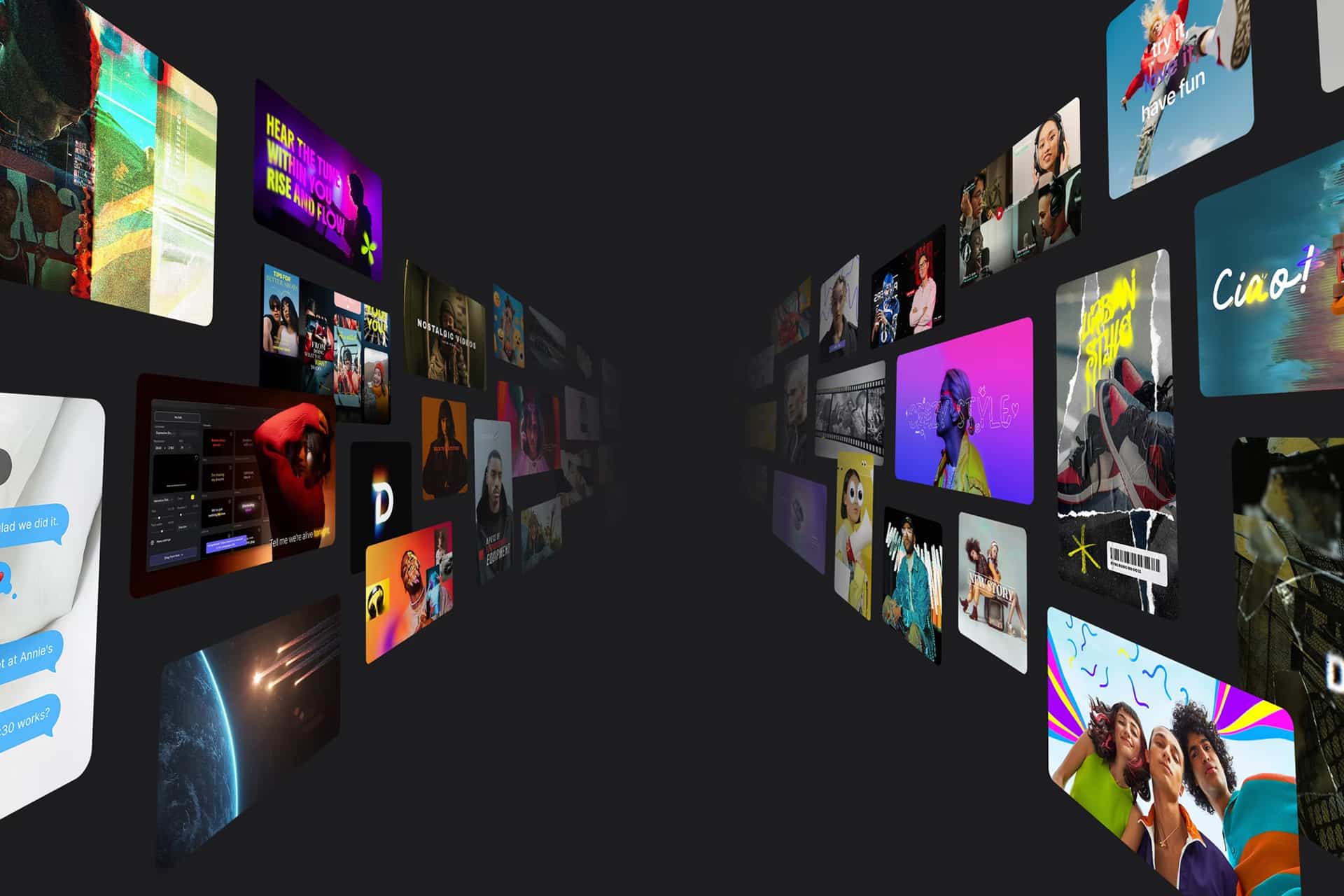
This relationship helped Final Cut Pro grow beyond its core editing tools into a much larger creative ecosystem that includes titles, effects, LUTs, transitions, and visual design components.
For many editors, installing a MotionVFX pack is one of the first steps after setting up a new editing workstation.
Why Apple Is Buying a Plugin Developer
Apple’s acquisition signals the company’s ongoing commitment to professional creative software. Final Cut Pro remains one of Apple’s flagship pro applications alongside Logic Pro and Motion.
By bringing MotionVFX inside the company, Apple gains direct control over a major source of visual tools used by Final Cut Pro creators. This could lead to deeper integration between plugins and the editing platform itself.
Instead of relying entirely on third‑party developers, Apple can now incorporate MotionVFX’s design expertise and technology directly into future Final Cut Pro updates.
The move also suggests Apple continues to invest in making Final Cut Pro competitive with other professional editing platforms.

Competing in the Professional Video Market
Professional video editing software is a competitive space. Tools like Adobe Premiere Pro and Blackmagic’s DaVinci Resolve have large user bases and extensive plugin ecosystems.
Final Cut Pro’s advantage often comes from its performance on Apple hardware and its deep integration with macOS and Apple silicon. MotionVFX plugins complement that advantage by providing polished graphics and effects tailored specifically for the platform.
Bringing a plugin developer into Apple’s software strategy may strengthen that advantage further.
For video creators who rely on Final Cut Pro, this acquisition may ultimately mean more built‑in templates, new creative tools, and tighter integration between editing features and visual effects.
What This Means for Editors
For the millions of editors using Final Cut Pro around the world, the acquisition raises several possibilities.
Apple could continue offering MotionVFX products as independent plugins while also incorporating some technology directly into Final Cut Pro updates. Another possibility is expanding the built‑in library of effects, titles, and transitions included with the software.
Either way, the acquisition highlights how important motion graphics and visual effects have become in modern video production. Today’s creators often produce content for multiple platforms — YouTube, social media, streaming services, and commercial productions — all of which demand visually engaging edits.
Tools that simplify high‑quality graphics therefore become valuable productivity boosters.
A Strategic Move for Apple’s Pro Software
Apple has spent the last several years strengthening its professional creative tools. Updates to Final Cut Pro, Logic Pro, and Apple Motion have increasingly focused on performance improvements, Apple silicon optimization, and expanded creative features.
Acquiring MotionVFX fits into that broader strategy. Instead of treating plugins as purely external add‑ons, Apple can now integrate one of the most experienced plugin teams directly into its pro software development pipeline.
For editors who rely on Final Cut Pro every day, that could translate into faster workflows, richer effects libraries, and new creative possibilities in future updates.