
A fitness transformation rarely begins with a dramatic decision. It doesn’t usually start with a strict plan or a public commitment. More often, it begins with something smaller — a quiet notification on the wrist, a colored ring almost closed, a subtle reminder that the day is not over yet.
The shift begins without even realizing it. The device tracks steps, heart rate, and movement from the first day it’s worn. At first, it feels informational. Interesting, maybe. But not life-changing.
Then patterns begin to appear.
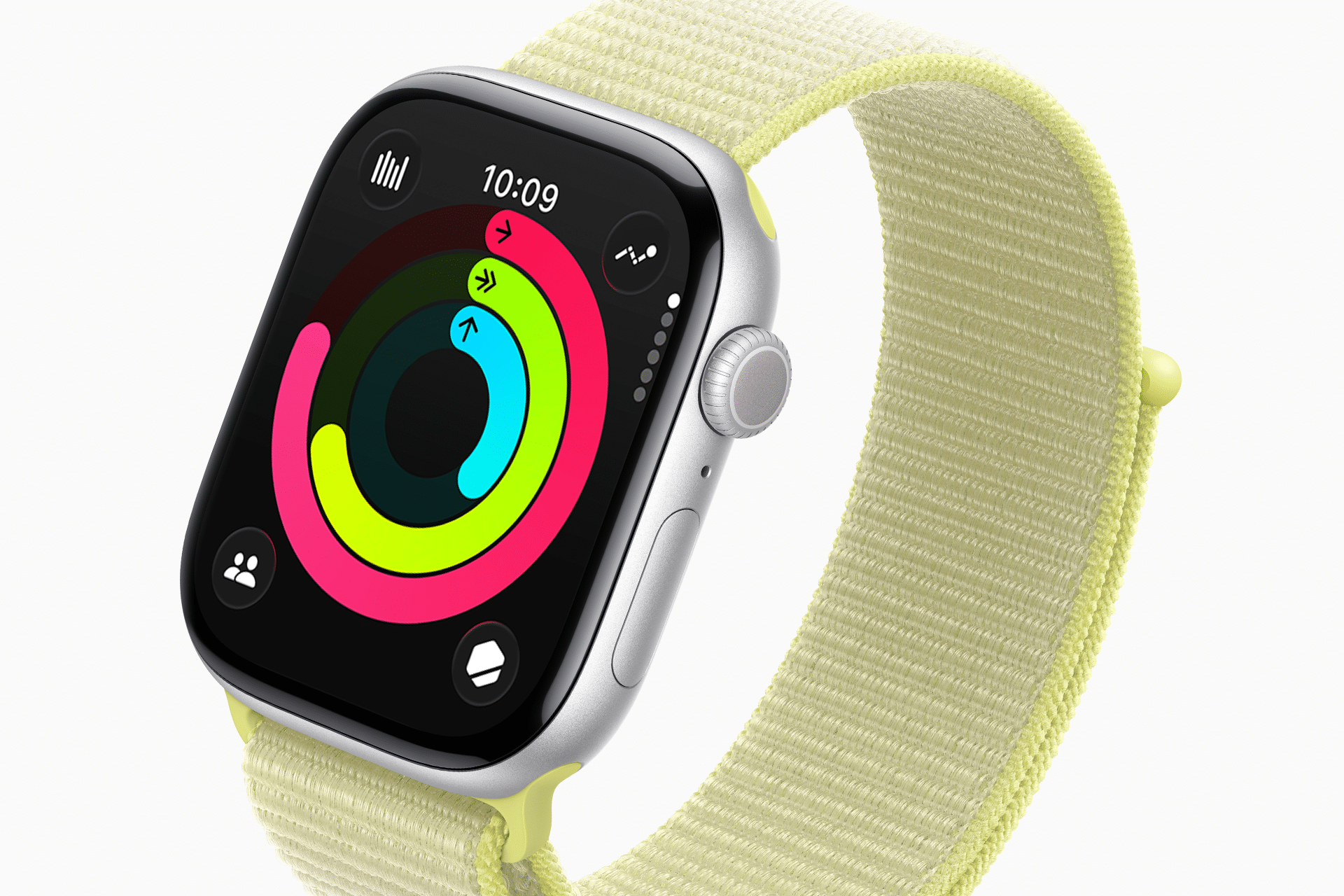
The three Activity rings — Move, Exercise, and Stand — introduce a daily visual rhythm. They reset every morning. They fill slowly throughout the day. And when they close, they create a small but tangible sense of completion.
That daily reset becomes powerful.
Movement Is Measurable
Before activity tracking, movement is vague. A person might feel “active” or “lazy,” but there is no daily reference point. With Apple Watch, the numbers tell a clearer story.
The Move ring shows how much energy was burned through active movement. The Exercise ring confirms whether 30 minutes of elevated heart rate were reached. The Stand ring reminds the body to break long sedentary stretches.
These aren’t complicated metrics. They’re simple signals.
Users can check progress anytime by opening:
Fitness app > Activity
Over weeks, something subtle happens. Instead of asking “Did I move enough today?” the question becomes “How close am I to closing my rings?”
That shift is not about pressure. It’s about awareness.

Small Adjustments
The transformation rarely comes from intense workouts. It often begins with minor adjustments. Taking stairs instead of elevators. Walking during calls. Parking slightly farther away. Adding a short evening walk to close a nearly complete Move ring.
The Apple Watch doesn’t demand perfection. It responds to consistency.
When a person sees that they’re 200 calories short of their Move goal, the solution feels manageable. A quick walk. A light workout. Even household activity counts.
Inside the watch, users can adjust goals gradually:
Fitness app > Activity > Change Move Goal
This flexibility matters. Goals evolve with progress. What felt challenging three months ago may feel normal today. The fitness transformation begins to feel less like a project and more like a rhythm.
Data Builds Motivation
As weeks turn into months, trends start telling a story. Resting heart rate may slowly decrease. Cardio fitness levels may improve. Walking pace may increase.
Sleep patterns become visible inside the Health app:
Health > Browse > Activity
This long-term view changes motivation. The focus shifts from short-term results to steady improvement.
Seeing progress documented removes guesswork. Instead of relying on feelings alone, users can observe measurable changes. A lower resting heart rate after consistent activity. Improved recovery after workouts. More balanced sleep patterns after evening walks.
The watch becomes less of a gadget and more of a mirror.

Healthy Habits
One of the most powerful parts of this transformation is how Apple Watch reveals habits beyond exercise.
Late nights often show up as lower energy the next day. High-stress weeks may correlate with fewer closed rings. Travel disrupts patterns. Recovery days become visible rather than assumed.
That visibility reshapes decisions. People begin choosing movement intentionally. Not for appearance. Not for comparison. But because they see its effect on their own metrics.
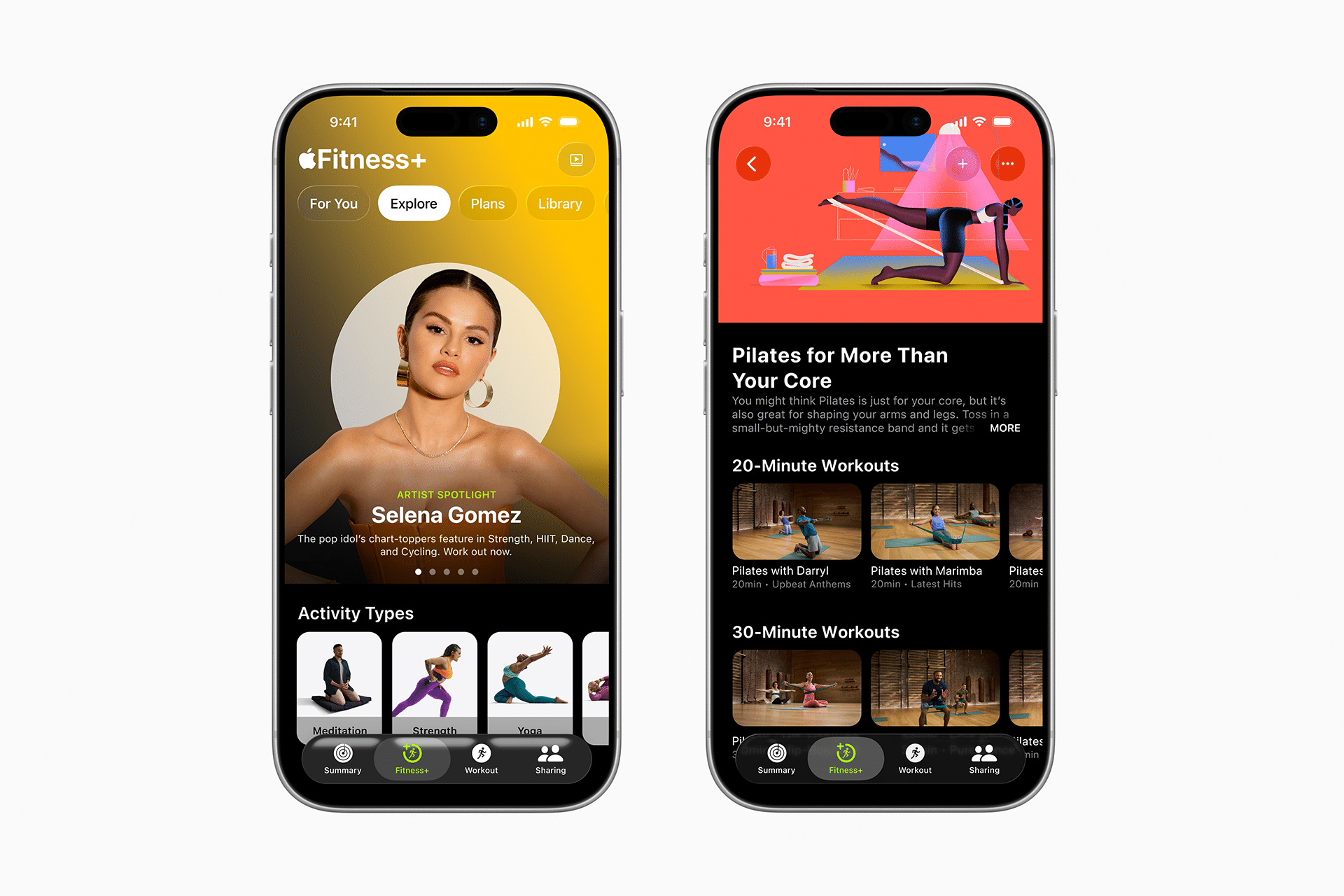
Even short guided sessions through Fitness+ can become part of a weekly rhythm. Ten minutes of strength training. A quick yoga session. A brisk walk tracked outdoors.
Workout app > Select Workout > Start
No complicated setup. Just press start and move.
Consistency Over Intensity
The fitness transformation many users experience is not dramatic weight loss in a month. It is not extreme routines. It is consistency.
- Closing rings most days.
- Taking rest when needed.
- Adjusting goals gradually.
- Seeing progress accumulate.
The daily reset of the rings reinforces something simple: today is another chance. Some days the rings stay open. That’s part of it. They reset anyway the next morning.
Over time, identity shifts. Instead of thinking “I should exercise,” the mindset becomes “I usually close my rings.” The language changes internally. And with that shift, behavior follows naturally.
Self-Awareness
Apple Watch does not create discipline on its own. It supports awareness. It removes ambiguity. It provides structure without complexity. A closed ring. A slightly lower heart rate. An extra walk after dinner. A workout tracked that would otherwise have been forgotten. None of these moments feel life-changing individually. Together, over hundreds of days, they reshape daily lifestyle habits.
The wrist tap becomes less about reminder and more about rhythm. Movement becomes less about obligation and more about normalcy.
And in that steady accumulation of ordinary days, the transformation takes shape.