Reports have surfaced detailing unusual clauses in Google and Amazon’s cloud contracts with Israel, where the companies allegedly use coded financial transfers to notify authorities of data handovers despite gag orders. The arrangement, part of the $1.2 billion Project Nimbus deal from 2021, has ignited fresh debates on cloud privacy just as Apple users weigh iCloud’s security amid global regulatory scrutiny.
According to a Guardian investigation published, the contracts require Google Cloud and AWS to send specific shekel amounts to Israel as signals. A $1,000 transfer flags a U.S. request (+1 dialing code), while $3,900 indicates Italy (+39). For gag order blocks, a $100,000 payment serves as an alert. Microsoft reportedly rejected similar terms during bidding, opting out.
This “winking mechanism” aims to balance legal compliance with transparency, but critics see it as a workaround undermining user trust. For Apple ecosystem users, it echoes ongoing concerns with iCloud data handling, especially after EU Digital Markets Act (DMA) mandates forced sideloading and alternative payments, prompting Apple to limit features like AirPods Live Translation over privacy risks.

Nimbus Contract Mechanics Unpacked
Project Nimbus provides Israel with cloud infrastructure for government and military use, excluding sensitive intelligence per public statements. Leaked documents, reviewed by the Guardian, outline the signaling system to track foreign requests without breaching nondisclosure rules. Amazon and Google spokespeople denied illegality, emphasizing rigorous reviews of all demands.
“We have a rigorous global process for responding to lawful orders,” an AWS representative told Engadget. Google echoed this, calling accusations “absurd” and affirming U.S. legal obligations. The Guardian report notes the mechanism ensures Israel tracks compliance without direct violation.
For iCloud users, parallels emerge. Apple’s Private Cloud Compute processes AI requests on-device or dedicated servers, shielding data from even Apple review. Yet DMA compliance in Europe introduced app notarization, mirroring Nimbus’ verification layers. AppleMagazine covered similar EU hurdles in AirPods privacy blocks, where features vanished to avoid data exposure risks.
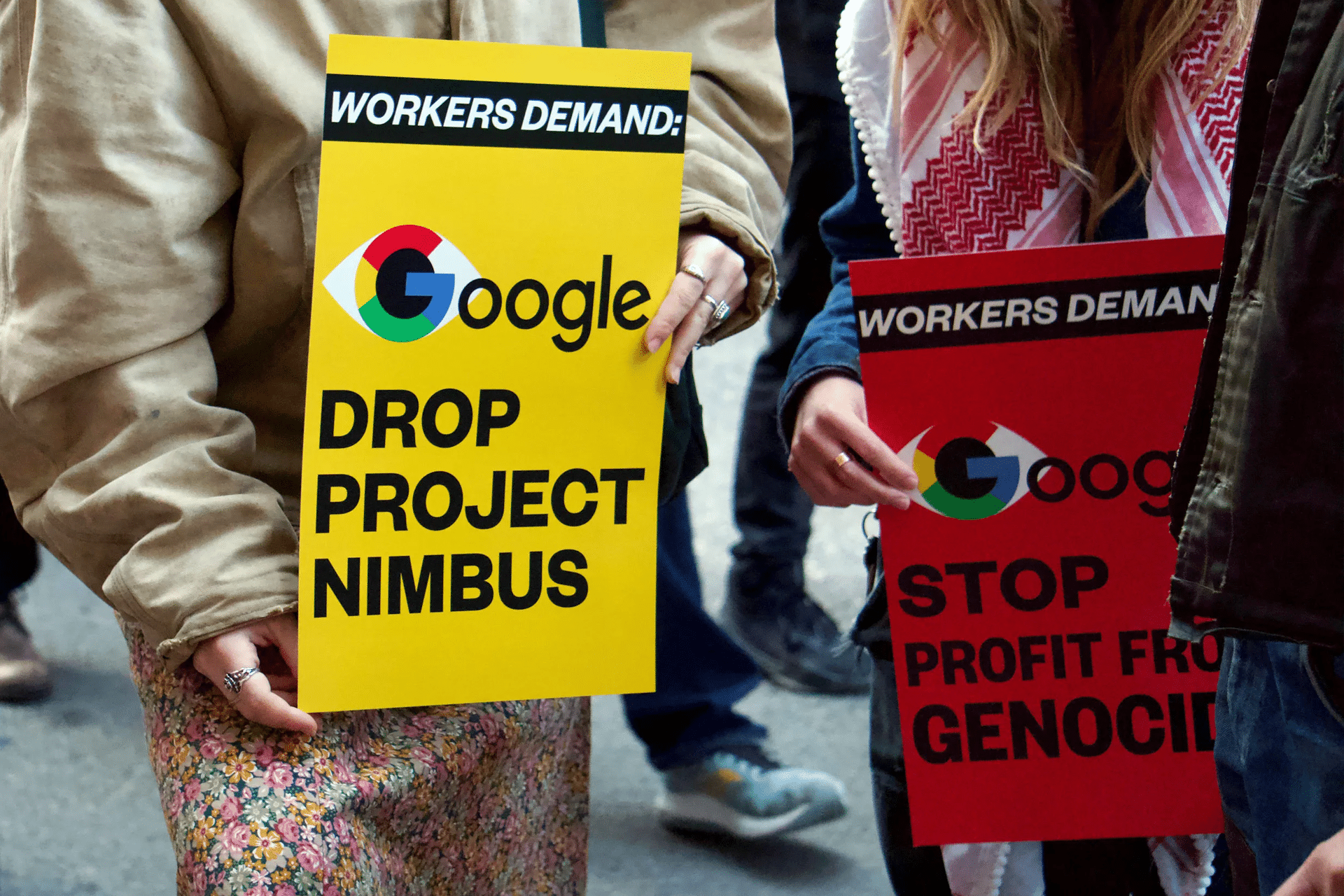
Nimbus’ scale—serving education, health, and defense—amplifies stakes. Employee protests at Google and Amazon since 2021 highlighted ethical worries, leading to firings and lawsuits. The coded alerts add a layer, potentially alerting Israel to patterns in international probes.
Privacy Implications for Cloud Users
Cloud privacy sits at the heart of this story, with everyday users caught in Big Tech’s regulatory tango. iCloud’s end-to-end encryption protects photos and messages, but government requests bypass it via device keys under U.S. laws like CLOUD Act. Nimbus’ setup lets Israel monitor fulfillment indirectly, raising questions for AWS/GCP customers storing sensitive data.
Apple sidesteps such binds through on-device processing for Apple Intelligence, limiting server exposure. Yet, as Engadget details, Nimbus clauses could inspire copycats, pressuring firms to innovate signaling amid rising global demands. FBI data shows 150,000+ U.S. data requests yearly, with gag orders in 70% of cases.
For Apple users, this underscores iCloud’s edge: Advanced Data Protection encrypts backups fully, inaccessible even to Apple. Competitors like Google Drive offer similar, but Nimbus scrutiny spotlights variances. EU probes into Apple mirror this, fining over €2 billion for App Store practices, forcing DMA changes like third-party browsers.
Businesses using AWS/GCP for hybrid Apple setups—iOS apps on cloud backends—face ripple effects. Compliance costs rose 20% post-DMA, per analyst reports, potentially hiking fees. Apple’s strategy: Limit EU features to preserve core privacy, a model rivals might adopt.
Nimbus controversies extend to AI: Google’s Gemini and Amazon Bedrock power Israeli systems, echoing employee walkouts. Apple Intelligence’s private model avoids such entanglements, processing locally.
As cloud wars intensify, users prioritize providers balancing innovation and safeguards. iCloud’s 1 billion accounts reflect trust earned through transparency, contrasting Nimbus’ opacity.