

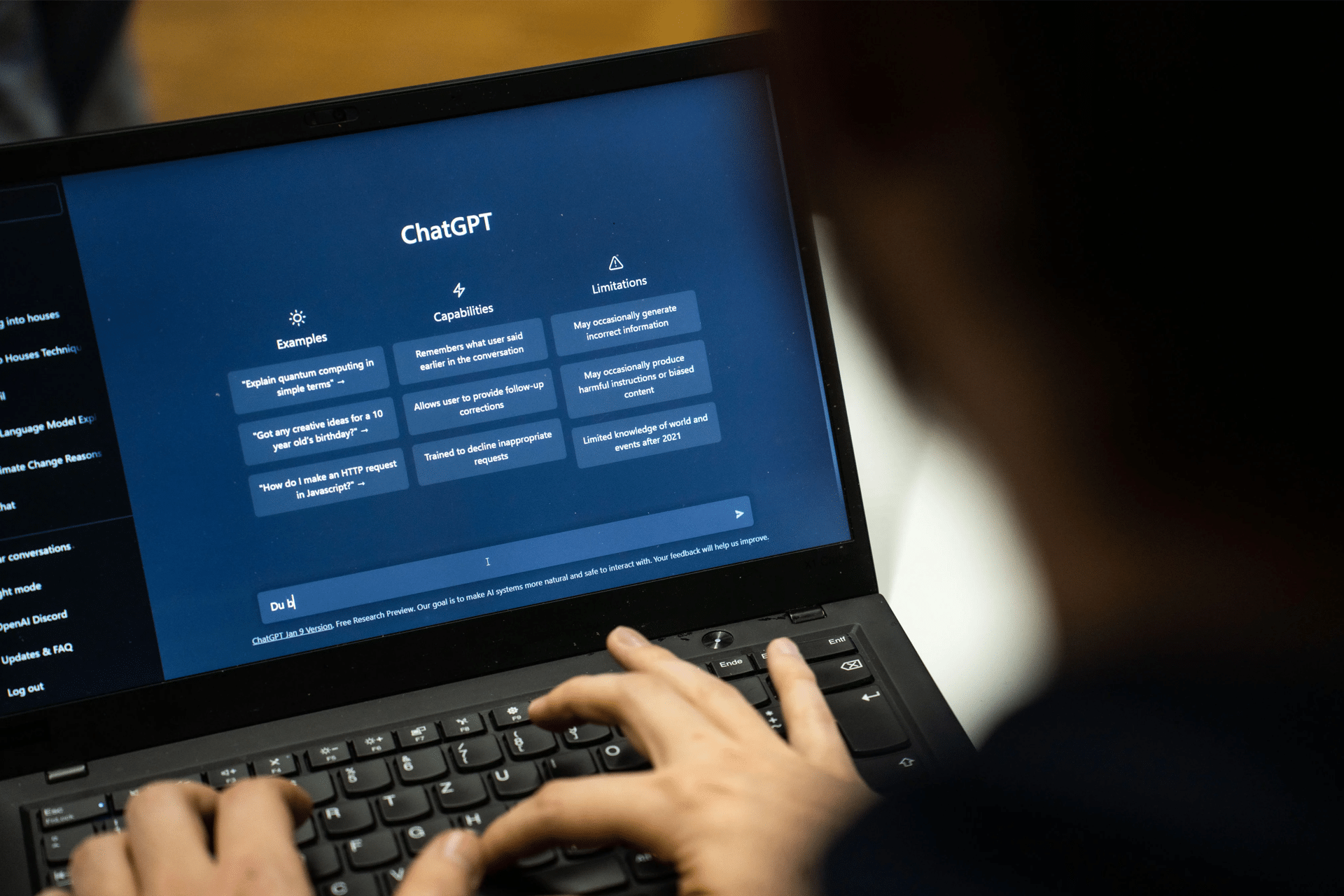
GPT-5.6 is moving toward a wider public launch after a delayed rollout shaped by U.S. government security concerns, marking one of the clearest examples yet of Washington intervening before a frontier AI model reaches broad availability.
OpenAI’s new model family was initially released to a limited group of vetted partners after federal officials raised concerns about national security, cybersecurity misuse and the risks tied to more capable systems. Reuters and Axios reported that restrictions have now been lifted, allowing OpenAI to proceed with a broader rollout after additional testing and discussions with U.S. officials.
The release includes three models: Sol, the flagship version; Terra, a lower-cost general option; and Luna, a faster model built for high-volume use. OpenAI describes the family as its most advanced generation yet, with stronger capabilities across coding, cybersecurity, biology and long-running tasks.
GPT-5.6 Puts Model Launches Under Government Scrutiny
GPT-5.6 is not arriving as a normal software update. The launch has become a test case for how advanced AI systems may be reviewed before they reach millions of users, developers and enterprises.
According to Reuters, U.S. officials were concerned that the model’s capabilities could be misused for cyberattacks or other national security threats. That led to a staged preview, with access limited to selected partners while OpenAI and federal officials continued testing and policy discussions.
OpenAI’s own preview materials describe a stronger safety stack, with protections focused on higher-risk activity, sensitive cyber requests and repeated misuse. The company says it spent weeks pressure-testing the system and hardening it against real-world attacks before release.
The situation gives the AI industry a new precedent. Frontier models have often been reviewed internally, tested by outside red teams and deployed gradually through enterprise or developer channels. This time, the U.S. government played a more direct role in the timing and scope of access.
That does not mean every future model launch will require the same process. It does mean companies building the most capable systems may face more pressure to show federal officials how they tested the model, what safeguards are active and how access will be monitored.


Sol, Terra and Luna Show a Tiered AI Strategy
OpenAI is not presenting the new release as a single model. The family structure points to a more segmented strategy, with different versions built for different cost, speed and capability needs.
Sol is the flagship model, aimed at the most demanding tasks. OpenAI’s system card describes it as the highest-capability version in the family, with advanced performance in areas such as coding, cybersecurity and scientific reasoning. That is also the version most likely to attract attention from security reviewers because higher capability can create higher misuse risk.
Terra appears designed for more balanced use. It gives OpenAI a way to serve everyday enterprise, developer and productivity tasks without pushing every customer toward the most expensive or sensitive model. Luna is positioned around speed and cost efficiency, which matters for high-volume applications where latency and price can shape adoption more than peak reasoning ability.
This tiered approach also helps OpenAI manage policy pressure. Not every user needs access to the most capable version. By separating models, OpenAI can apply different access rules, monitoring levels and safety thresholds depending on the risk profile of each system.
For businesses, that structure may make the rollout easier to adopt. A company may use Luna for support workflows, Terra for internal productivity and Sol for specialized technical work. The security question becomes less about whether the model family should launch at all and more about which users should receive which level of capability.
Cybersecurity Is the Central Concern
The security review appears to have focused heavily on cyber risk. Frontier AI models can help defenders find vulnerabilities, analyze malware, write secure code and patch systems faster. The same skills can also help bad actors develop attacks, automate reconnaissance or improve phishing and exploit workflows.
OpenAI argues that access to capable models can help cyber defenders, especially when paired with safeguards and monitoring. That argument has become more common across the AI industry: restricting access too heavily may slow defenders while attackers still find ways to use alternative tools.
The government’s concern is that the most capable models could create new advantages for offensive use. That tension is now shaping release strategy. A model can be useful, commercially valuable and dangerous enough to require extra controls at the same time.
Anthropic’s recent restrictions around advanced models added to the pressure. Reuters has reported that U.S. officials have become more cautious about frontier releases, especially after concerns that high-performing systems could assist with vulnerability discovery or other sensitive work.
The hard part is measurement. A model may not cross a formal danger threshold in testing but still be powerful enough to raise concern when deployed at scale. That gap between benchmark evaluation and real-world use is where government review is now moving.

A New Model for AI Access
The wider GPT-5.6 rollout shows how AI access may become more layered. The old pattern was simple: announce a model, release it through an API or consumer app, then adjust safeguards after feedback. That approach is becoming harder for frontier systems.
A newer pattern is emerging. Companies may preview models to officials, release them to trusted partners first, monitor behavior, adjust safeguards and then open access more widely. That process slows launches, but it may become the price of operating at the highest capability tier.
OpenAI has warned against making government-controlled customer approval the norm. The company’s concern is that overly narrow access could hurt developers, enterprises, researchers and cyber defenders who need advanced systems for legitimate work. At the same time, OpenAI is working within a political environment where AI safety, export controls and national security are now linked.
For Apple, Microsoft, Google, Meta and other companies building AI into consumer devices, this matters beyond OpenAI. Next-generation AI features will depend on cloud models, on-device systems and private infrastructure. If governments become more involved in frontier model releases, the timing of consumer AI features could also be affected.
GPT-5.6 now stands as more than another model upgrade. It is a signal that the most advanced AI launches may need to pass through a new gate where safety testing, national security review, enterprise demand and public access are negotiated before the product reaches scale.
The next detail to watch is how OpenAI handles availability across ChatGPT, developer APIs and enterprise customers. A broad release may satisfy demand, but the conditions around access, monitoring and high-risk use will define how much this launch changes the AI market.