

The iOS 26 home hub leak now has a clearer shape after new references surfaced in Apple’s internal code, pointing to a dedicated smart home device that blends a display, a camera, and Apple’s Home framework into a single piece of hardware. The latest strings and test references suggest Apple has been wiring iOS 26 to recognize the hub as a distinct product class, with features that go beyond what current Home hubs handle through Apple TV and HomePod.
The code points to a built-in camera with a cap at 1080p, plus Face ID as a core part of authentication. That combination appears to be tied to profile switching, with the hub able to shift its interface depending on who is interacting with it. The leak also references internal testing tools used to evaluate recognition accuracy, suggesting Apple is still tuning how reliably Face ID works at room distance and under typical household lighting.

iOS 26 Home Hub Leak Points to Camera, Face ID, and Profile Switching
The camera details stand out because they imply the hub is being treated as a communication device as much as a controller. A 1080p limit suggests Apple is balancing quality against bandwidth and processing costs, especially if the hub is expected to run continuous camera features for calls, presence, or identity recognition. In Apple’s ecosystem, that kind of camera integration typically brings stricter privacy handling, and the code references fit a product that’s meant to live in shared spaces like a kitchen counter or entryway.
Face ID being part of the device is another differentiator. On a phone, Face ID is personal; on a home display, it becomes shared infrastructure. The code’s profile switching references suggest the hub can adapt between household members quickly, which could change everything from visible Home controls to calendar surfaces and content preferences. Apple’s internal testing focus here reads like an attempt to make the experience seamless rather than forcing a manual “switch user” routine.
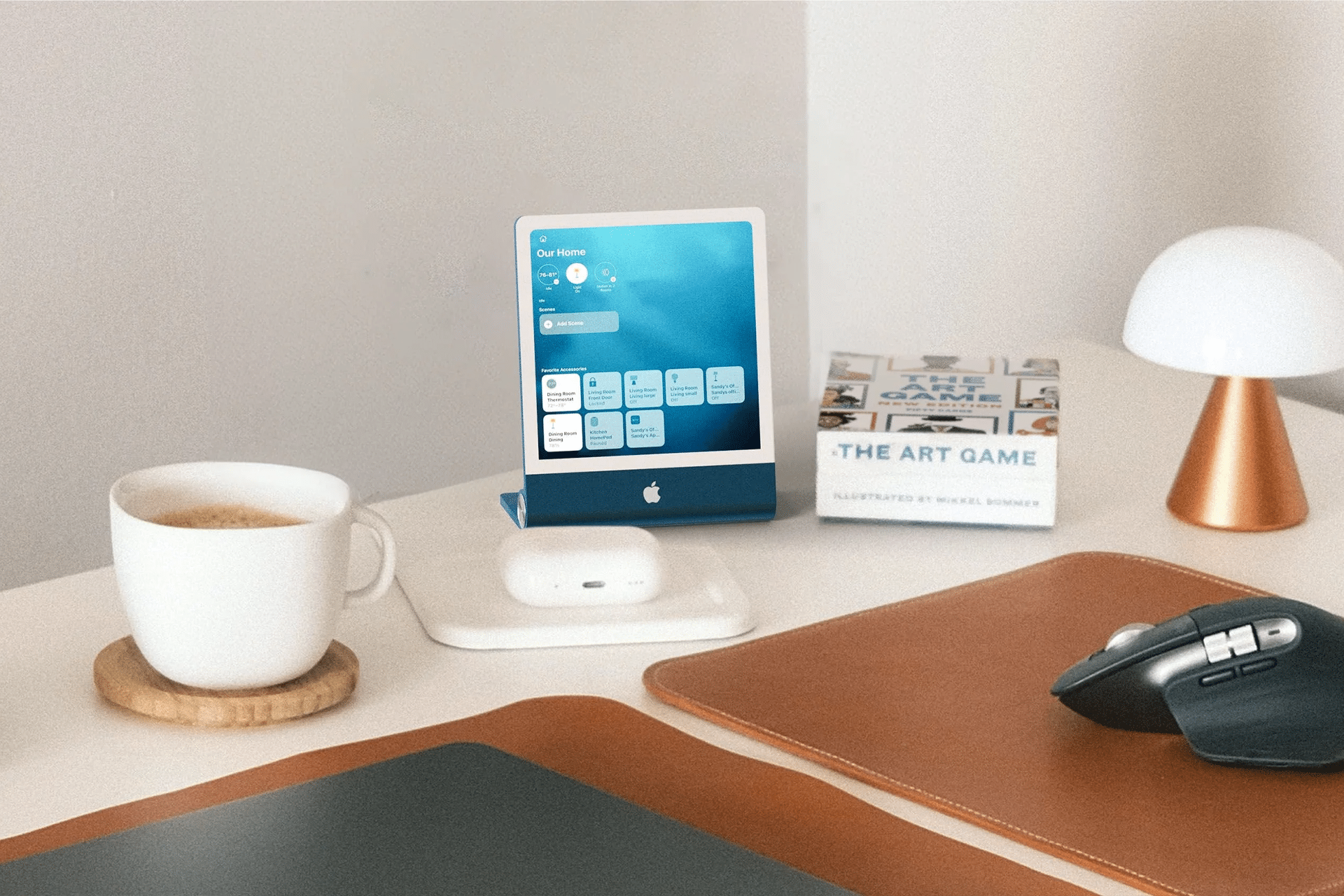
The leak also points to Apple’s Home platform framework treating the hub as a display-first device, not a speaker-first accessory. Prior rumors have framed the product as a square-ish screen in the six- to seven-inch range, and the iOS 26 references align with a format that can show tiles, controls, and glanceable status at a distance.
iOS 26 Home Hub Leak Also Mentions a Separate Accessory in Apple’s Code
Alongside the hub itself, the same code trail includes references to another unknown device identifier, often described as a companion accessory. The identifier tied to a camera-like concept has shown up in reporting as a separate unit, suggesting Apple may be pairing the hub with a secondary sensor device rather than baking every function into the main screen. The code hints at multi-sensor behavior, and the framing points to a role closer to monitoring and detection than general interaction.
If Apple is splitting responsibilities across hardware, that would track with the way it already distributes Home features across different devices. HomePod and Apple TV can act as Home hubs, yet cameras and doorbells live elsewhere in the ecosystem. A paired accessory could let the main hub focus on interface and identity, while the companion handles dedicated sensing tasks.
This leak also reinforces the role of Apple Intelligence and the next generation of Siri as a foundation rather than an add-on. The references suggest the hub’s experience is designed around voice and contextual actions, with Apple’s newer AI layer expected to handle more natural requests and more complex Home routines. Instead of a simple “turn off the lights” pattern, the code trail reads like Apple is building for a smarter command surface that can respond to who is present, what’s happening in a room, and what devices are available.
For Apple, the iOS 26 work also signals that the hub is being prepared as part of a broader Home push rather than a standalone gadget launch. A device like this depends on the software layer being ready, because the value is in how it connects HomeKit, Matter support, identity, calls, and media under one interface. The internal code references suggest Apple has reached the stage where the operating system is being shaped around the hardware, not just accommodating it.


