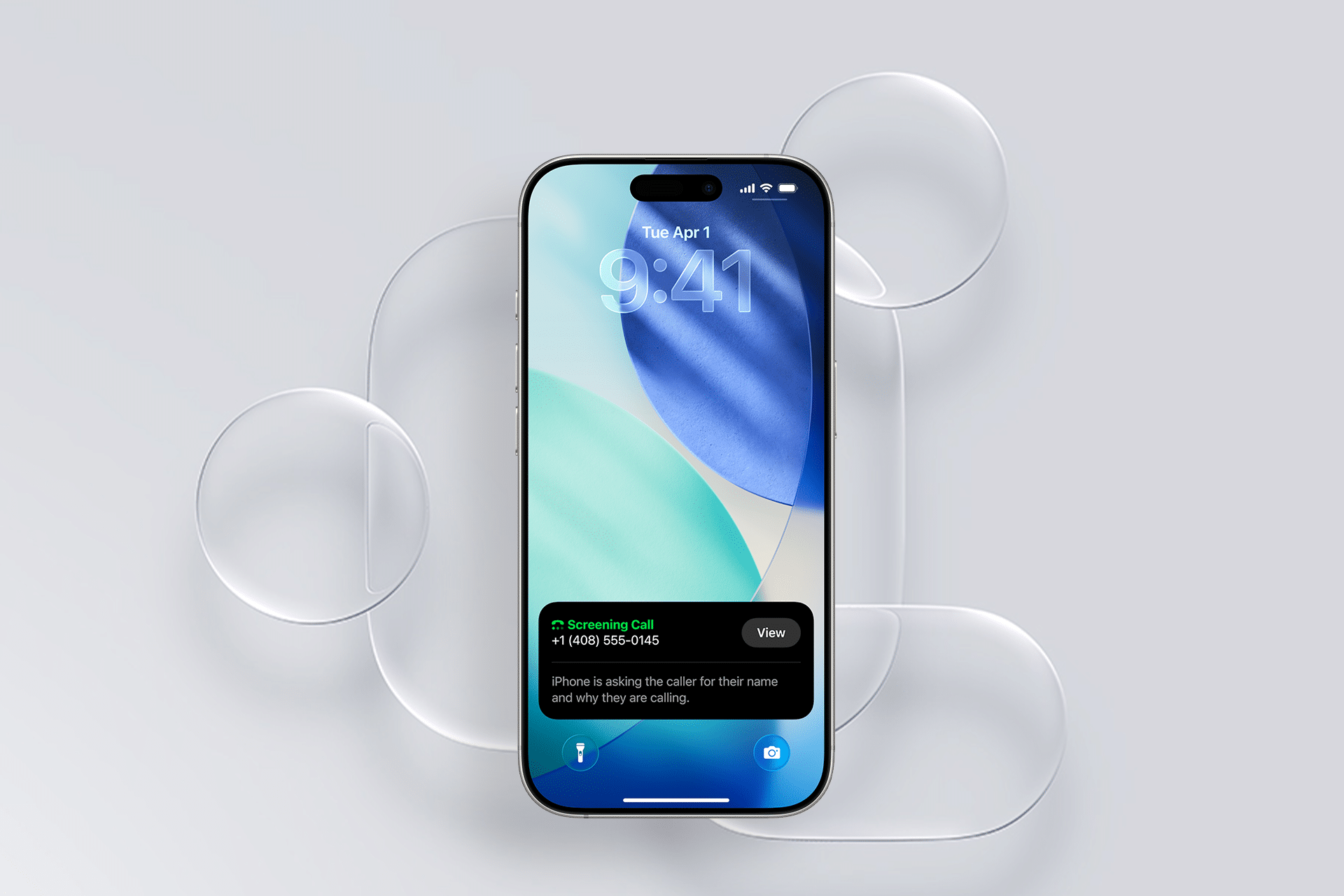
If there’s one feature in iOS 26 that’s earning instant praise, it’s the new junk call blocker — a clever, built-in tool that quietly eliminates one of modern life’s biggest digital annoyances: spam calls. For years, iPhone users have relied on “Silence Unknown Callers” or third-party apps to keep telemarketers at bay. Now, Apple has baked a smarter, AI-powered system right into the operating system itself, and the results are surprisingly effective.
A Smarter, Quieter iPhone
Once enabled, iOS 26’s spam protection works automatically. Calls from numbers identified as potential scams or telemarketing sources are intercepted before they even reach your ringtone. You don’t get an alert, no notification pops up — the call simply never happens for you. The caller hears a normal ring or may be routed directly to voicemail, while your Phone app quietly logs it as a “Filtered Call.”
Apple’s system uses on-device intelligence combined with anonymized carrier data to analyze patterns in real time, distinguishing between legitimate contacts and junk traffic. Unlike older filtering methods, the process doesn’t rely on uploading your contact list or sharing call metadata with third-party services. Everything stays local, private, and invisible.
This is the Apple approach at its best: seamless, privacy-focused, and quietly transformative.
How It Works
The feature is tucked under Settings → Phone → Junk Call Blocking, where users can choose between different levels of filtering:
-
Basic Filtering, which screens only high-confidence spam numbers.
-
Smart Filtering, which uses contextual AI to detect suspicious activity patterns — such as mass robocall behavior or spoofed area codes.
If you opt for Smart Filtering, your iPhone uses the same on-device machine learning model that powers Mail’s junk detection and Messages’ spam alerts. Over time, it learns your calling habits, distinguishing between unknown numbers that matter (like deliveries or new clients) and those that don’t.
The system even integrates with Messages, showing a small tag beneath any recent call that may have originated from a blocked number — helping you spot persistent scammers who switch between lines.
No Apps, No Hassle
The best part is that you don’t need to install anything or grant extra permissions. Apple’s internal AI system, paired with anonymized carrier reports, keeps your data secure.
In contrast, most third-party call blockers request access to contacts, location data, or even full network activity to work properly. iOS 26 replaces that model with something entirely under your control — local, encrypted, and deeply embedded within the Phone app’s design.
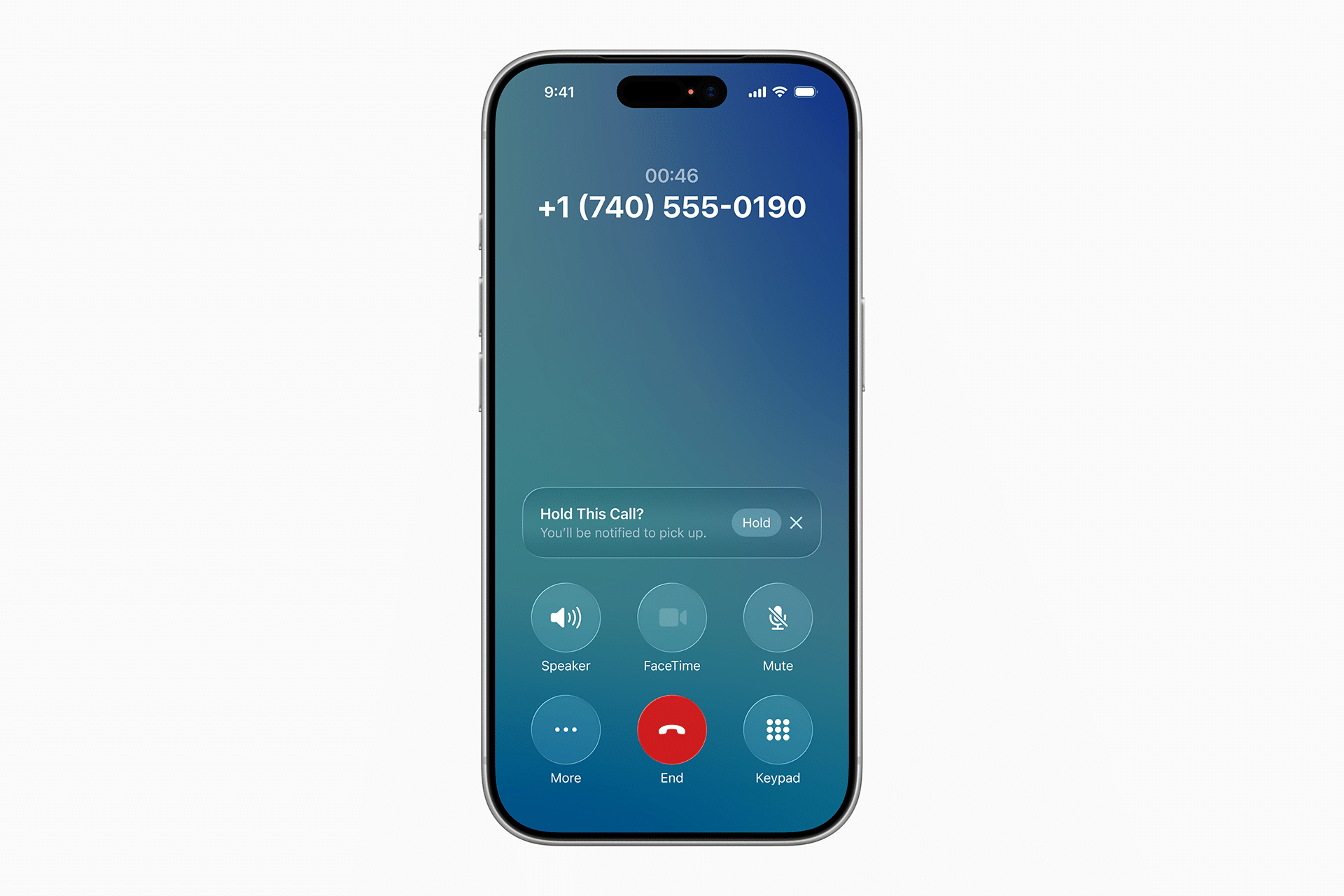
If you want a lighter touch, you can choose to redirect suspicious calls to voicemail instead of blocking them outright. Those appear under a new “Filtered Calls” tab in the Phone app, so you can review them later — a thoughtful safety net for anyone worried about missing something important.
Real-World Results
In testing, the difference is immediately noticeable. After enabling Smart Filtering, the flood of daily interruptions — car warranty scams, “free vacation” robocalls, and those fake delivery notifications — simply stop. The Phone app feels quieter, calmer, almost cleaner.
Apple’s system identifies and filters out more than 95% of known spam numbers within days of activation, according to early feedback from beta users. It even spots spoofed numbers mimicking local area codes, something that previously slipped through “Silence Unknown Callers.”
For professionals, this change can mean uninterrupted work hours. For families, it means peace of mind knowing your child won’t accidentally answer a scam call. For everyone else, it’s simply one less nuisance in an already noisy world.
Designed With Privacy in Mind
Apple has made clear that no call content or metadata leaves your device. Detection runs entirely on-device, supported by regular background updates through Apple’s secure network — not through cloud processing.
This approach fits squarely into Apple’s broader privacy philosophy, which treats personal data as a protected resource, not a product. The company continues to push features that rely on local machine learning rather than centralized servers, reducing the risk of data leaks or third-party tracking.
Setting a New Standard
With the release of iOS 26, Apple is redefining how smartphones handle communication hygiene. The new call filtering engine feels like a natural evolution — less a headline feature and more like a quiet revolution hiding in your settings.
It doesn’t just silence spam calls; it restores the idea that your phone number belongs to you again.
If you’ve been putting off updating to iOS 26, this feature alone might make it worth the tap. Once you enable it, you’ll probably wonder how you ever lived without it.