

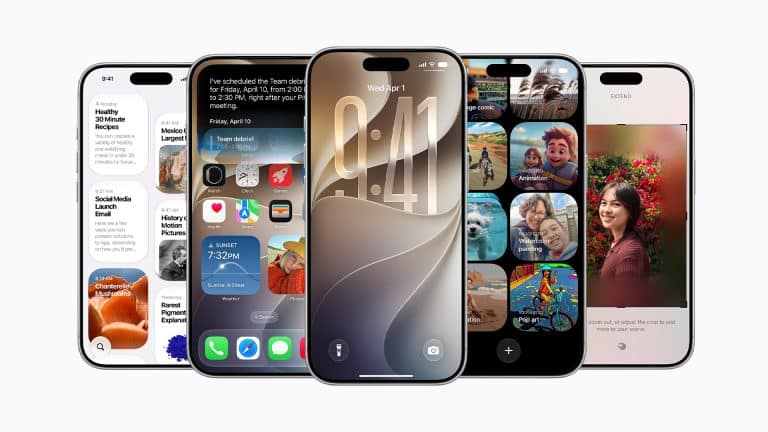
Apple may not have shown the full iOS 27 story at WWDC26. According to reporting from Bloomberg’s Mark Gurman, Apple has three additional features still in development that were not announced during the keynote: third-party AI chatbot support inside Siri, a customizable Camera app, and a simplified version of the Modular Ultra watch face for Apple Watch.
The reported features are notable because they point toward Apple’s September strategy. WWDC26 focused heavily on Siri AI, Apple Intelligence, AFM 3, developer tools, and systemwide AI integration. September is expected to bring the hardware side of that story, including the iPhone 18 Pro lineup and new Apple Watch models. Holding back certain features could allow Apple to connect them more directly to new devices.
None of these features has been publicly announced by Apple, so they should be treated as pipeline features rather than confirmed iOS 27 launch-day changes. But the pattern makes sense. Apple often previews its software platform in June, then saves hardware-linked experiences for the iPhone event in September. This year, that gap may be more important because Apple’s AI and camera direction is increasingly tied to newer hardware.
Siri May Get Third-Party Chatbot Extensions
The most strategically interesting reported feature is an Extensions framework that would let third-party AI chatbots integrate with Siri.
According to Gurman’s reporting, Apple has held discussions with OpenAI, Anthropic, and Google about the framework. The idea would allow users to switch between Siri and external models such as Claude or Gemini for certain requests, while still using Siri as the main assistant interface.
That would be a major shift. At WWDC26, Apple presented Siri AI as an Apple Intelligence product powered by Apple Foundation Models, with privacy-focused on-device processing and Private Cloud Compute. At the same time, Apple has already opened its developer story to outside models. Google announced that Apple developers can securely call cloud-hosted Gemini models through Apple’s Foundation Models framework, and Apple’s developer materials describe a broader model-routing architecture.
A Siri chatbot extension system would bring that idea closer to users. Instead of third-party models living only inside separate apps, they could become accessible through Siri when the user needs a different type of answer, writing help, coding support, research capability, or reasoning style.
This would also help Apple avoid a trap. If Siri AI tries to be everything, it may fall behind cloud-first competitors in some areas. If Apple lets users call outside models through a controlled Siri framework, it can preserve Siri as the front door while giving users more model choice.
The privacy challenge will be explaining when a request is handled by Apple’s own models and when it leaves Apple’s AI stack for a third-party provider. Apple will need clear permission flows, model labels, and data-handling rules so users understand when Claude, Gemini, ChatGPT, or another model is involved.

The Camera App Could Become Customizable
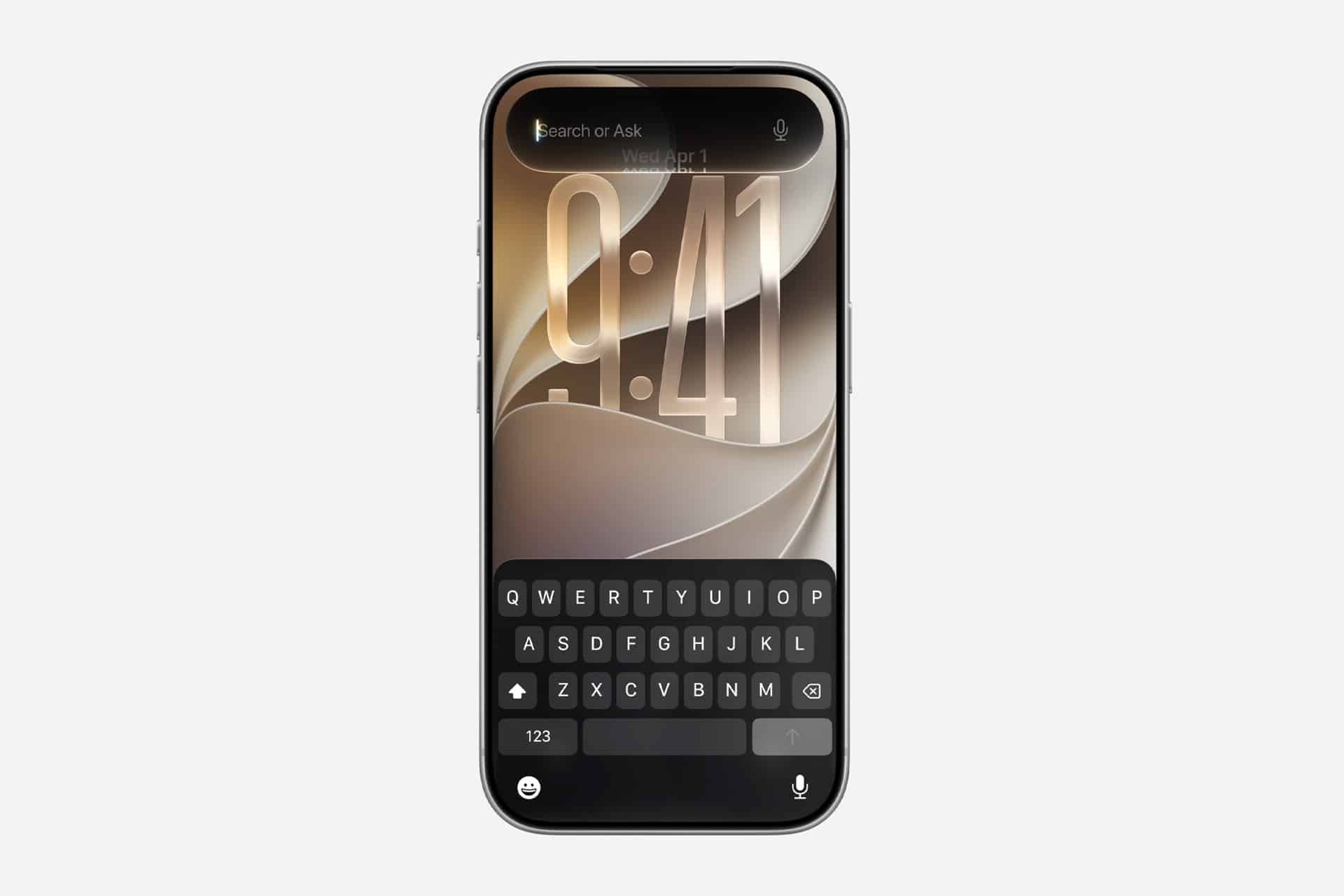
The second reported feature is a customizable Camera app. This could become one of the most practical iOS 27 changes, especially if it arrives alongside iPhone 18 Pro.
Apple has spent years turning the iPhone camera into a professional-grade system, but the Camera app itself remains relatively controlled. Users can change some settings, preserve modes, adjust photographic styles, use ProRAW or ProRes on supported models, and access exposure or lens options, but the interface is still largely Apple-defined.
A customizable Camera app could change that. Depending on how Apple implements it, users might be able to rearrange controls, prioritize favorite modes, hide features they never use, create custom shooting setups, or make the app better suited to video, portraits, social content, family photos, travel, or professional workflows.
This would fit the iPhone 18 Pro strategy. Apple’s Pro iPhones increasingly target creators, photographers, videographers, journalists, social publishers, and everyday users who want more control without opening a third-party camera app. A customizable interface could make the stock Camera app feel more flexible while keeping Apple’s image pipeline, computational photography, and privacy protections intact.
It could also help Apple compete with camera-focused Android phones that offer more visible manual controls. Apple has often preferred simplicity over complexity, but Pro users increasingly expect both. The right customizable Camera app would let casual users keep the clean interface while advanced users bring the controls they need closer to the surface.
That balance will matter. If Apple adds too much complexity, it risks making Camera less approachable. If it limits customization too much, the feature may feel cosmetic. The best version would make Camera more personal without turning it into a cluttered professional app.
A Simpler Modular Ultra Watch Face Is Reportedly Coming
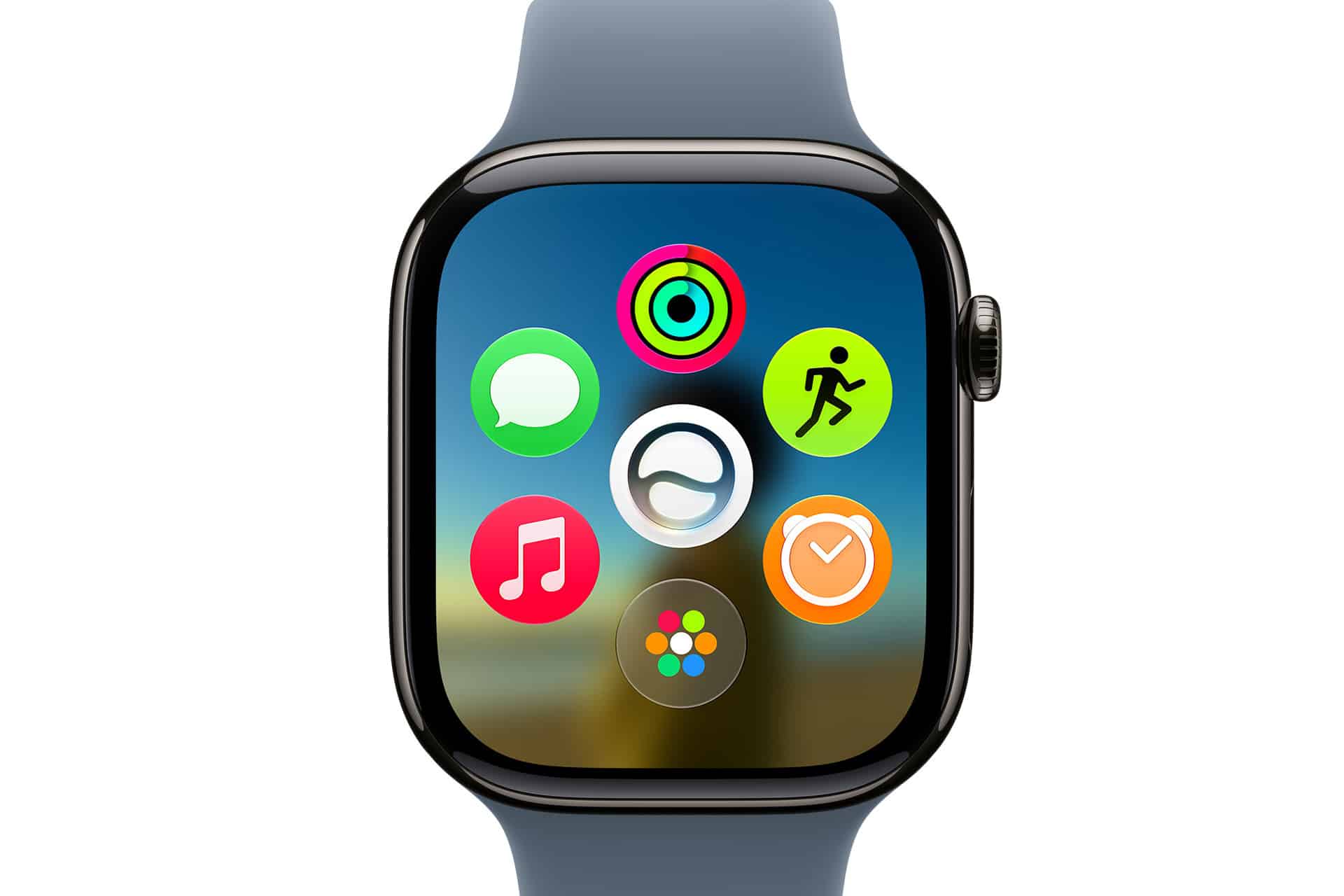
The third reported feature is a simplified version of the Modular Ultra watch face. Gurman says Apple has developed a version that keeps the large clock style but removes the second row of complications.
That may sound minor compared with Siri chatbot extensions or a customizable Camera app, but watch faces are central to Apple Watch behavior. The watch face is the first thing users see, the shortcut surface for complications, and the visual identity of the device.
Modular Ultra is one of Apple’s most information-dense faces, especially associated with Apple Watch Ultra. It can show many complications at once, which is useful for workouts, weather, navigation, activity, health data, altitude, and outdoor use. But that density can also feel busy.
A simpler version would make sense for new Apple Watch models. It could preserve the bold Ultra-style clock while making the layout cleaner and more readable. It may also help Apple bring some of the visual appeal of Modular Ultra to users who want a large display face without the full data-heavy layout.
This would match Apple’s broader watch-face strategy. Apple often introduces faces that support new hardware, new display sizes, or new interaction ideas. A simplified Modular Ultra face could be timed for September because it may look better on updated Apple Watch hardware or support a specific design direction Apple did not want to reveal at WWDC.
September Could Complete the iOS 27 Story
The reported features point toward a September software-hardware pairing. WWDC26 introduced the software foundation. September may show the hardware-specific layer.
A customizable Camera app makes more sense beside iPhone 18 Pro. A simplified Modular Ultra watch face makes more sense beside new Apple Watch models. Siri chatbot extensions could give Apple another AI announcement after WWDC, especially if the company wants to show progress with partners such as OpenAI, Anthropic, and Google.
This would also help Apple control the narrative. WWDC26 had to prove Apple was serious about Siri AI after years of criticism and delays. September can make the story more consumer-facing: better iPhone camera controls, a cleaner watch face, and more flexible Siri model choices.
That split is typical Apple. Developers get the architecture in June. Consumers get the polished device story in September.
The difference this year is that AI makes the September event more important. If Siri AI is the center of Apple’s next software cycle, Apple needs to show not only that the assistant is smarter, but that it fits naturally with new hardware.
The Chatbot Framework Could Be Apple’s Safest AI Compromise
The reported Siri chatbot extension system may be Apple’s most delicate decision. It could also be its smartest compromise.
Apple wants Siri AI to feel native, private, and integrated. But cloud AI competition is moving quickly, and no single company has the best model for every use case. OpenAI, Anthropic, and Google each bring different strengths. Some users prefer ChatGPT. Some prefer Claude. Some prefer Gemini. Developers and professionals may want access to multiple models depending on the task.
Apple could try to build every capability itself, but that would slow Siri’s progress. It could fully outsource Siri to a third-party model, but that would weaken Apple’s privacy and platform story. A controlled extension framework gives Apple a third path.
Siri remains the system assistant. Apple Foundation Models handle Apple-native, private, on-device, and system-integrated tasks. Private Cloud Compute handles heavier Apple Intelligence requests. Third-party models become optional extensions for requests where the user wants another model.
That approach would let Apple turn model choice into a platform feature. It would also keep Apple in control of the interface, permissions, and user experience.
The risk is confusion. Users should not have to wonder whether Siri, Claude, Gemini, or ChatGPT is answering a request. Apple will need clear labels, simple controls, and strong privacy explanations.
The Camera Feature Could Be the Most Used
The customizable Camera app may end up being the most used of the three reported features because it would touch everyday behavior.
Millions of iPhone users open Camera constantly. They may not think of the app as customizable, but they do think about speed. Where is video mode? Where is portrait? Where is macro? Where is exposure? Where is the lens switch? Where are Pro controls? Why is a feature hidden behind a menu?
Customization could solve those frustrations. A parent might want quick access to video and portrait. A creator might want ProRes, frame rate, and stabilization controls closer. A traveler might want panorama, translate, and visual search options. A journalist might want fast video and audio controls. A casual user might want a simpler layout with fewer distractions.
The key is letting users match Camera to their habits. Apple has spent years making the iPhone camera powerful. A customizable Camera app would make that power easier to reach.
If Apple ties the feature to iPhone 18 Pro, it could also become a selling point for the new hardware. Camera upgrades are already one of the biggest reasons people buy Pro iPhones. A redesigned or customizable Camera experience would make the software feel like part of the camera system, not just a shell around it.

Apple Watch Needs Simpler Information Design
The simplified Modular Ultra face also fits a larger Apple Watch trend: the need to show information without overwhelming the user.
Apple Watch has become more capable every year, but more capability creates more visual pressure. Users can display weather, workouts, health, calendar, heart rate, timers, complications, navigation, music, battery, altitude, and more. That is powerful, but not everyone wants a dashboard on their wrist all day.
A simpler Modular Ultra face could offer the visual strength of the Ultra design with less clutter. It would also give Apple a cleaner default-style option for people who like large typography but do not need two rows of complications.
This matters because watch faces are more personal than app screens. They sit on the body. They reflect taste, routine, and priorities. A simplified face can make Apple Watch feel calmer without making it less useful.
September is the right place for that announcement because watch faces are often part of new Apple Watch storytelling. Apple can show the face on new hardware rather than describe it in a developer keynote.
Why Apple May Have Held These Back
Apple may have held these features back for several reasons.
Some may not be ready for public preview. Some may depend on unreleased hardware. Some may require partner agreements that are not finished. Some may fit better into a September consumer presentation than a June developer keynote. Some may be intentionally withheld to keep the iPhone 18 Pro and new Apple Watch launches from feeling like hardware-only events.
The camera and watch-face features are especially hardware-linked. Announcing them at WWDC could have revealed design priorities Apple wants to save for September. The Siri chatbot extension system may be more strategic and sensitive because it involves outside AI companies, privacy messaging, and user trust.
Apple also needs to avoid overpromising. The company has already faced criticism for announcing AI capabilities too early in previous cycles. Holding back features until they are closer to release may be a safer approach.
That does not mean the strategy is risk-free. Users and developers want clarity. If Apple keeps too much hidden, it can make iOS 27 feel incomplete after WWDC. But September could turn that into momentum if the withheld features arrive with strong hardware demos.
iOS 27 Is Still a Moving Target
The main takeaway is that iOS 27 may not be fully represented by the WWDC26 keynote. Apple showed the foundation, but the fall release may include features that were deliberately left out of the public presentation.
The three reported additions each point to a different part of Apple’s strategy. Siri chatbot extensions would make Apple Intelligence more flexible. A customizable Camera app would make iPhone 18 Pro feel more personal and professional. A simplified Modular Ultra face would give Apple Watch a cleaner information design.
Together, they suggest Apple is saving some of iOS 27’s most consumer-facing features for September. That would make sense. WWDC is where Apple explains the platform. The iPhone event is where Apple shows why the platform needs new hardware.
For now, the features remain unannounced. But if Gurman’s reporting is accurate, iOS 27’s final story may not be written until Apple takes the stage again in September.