

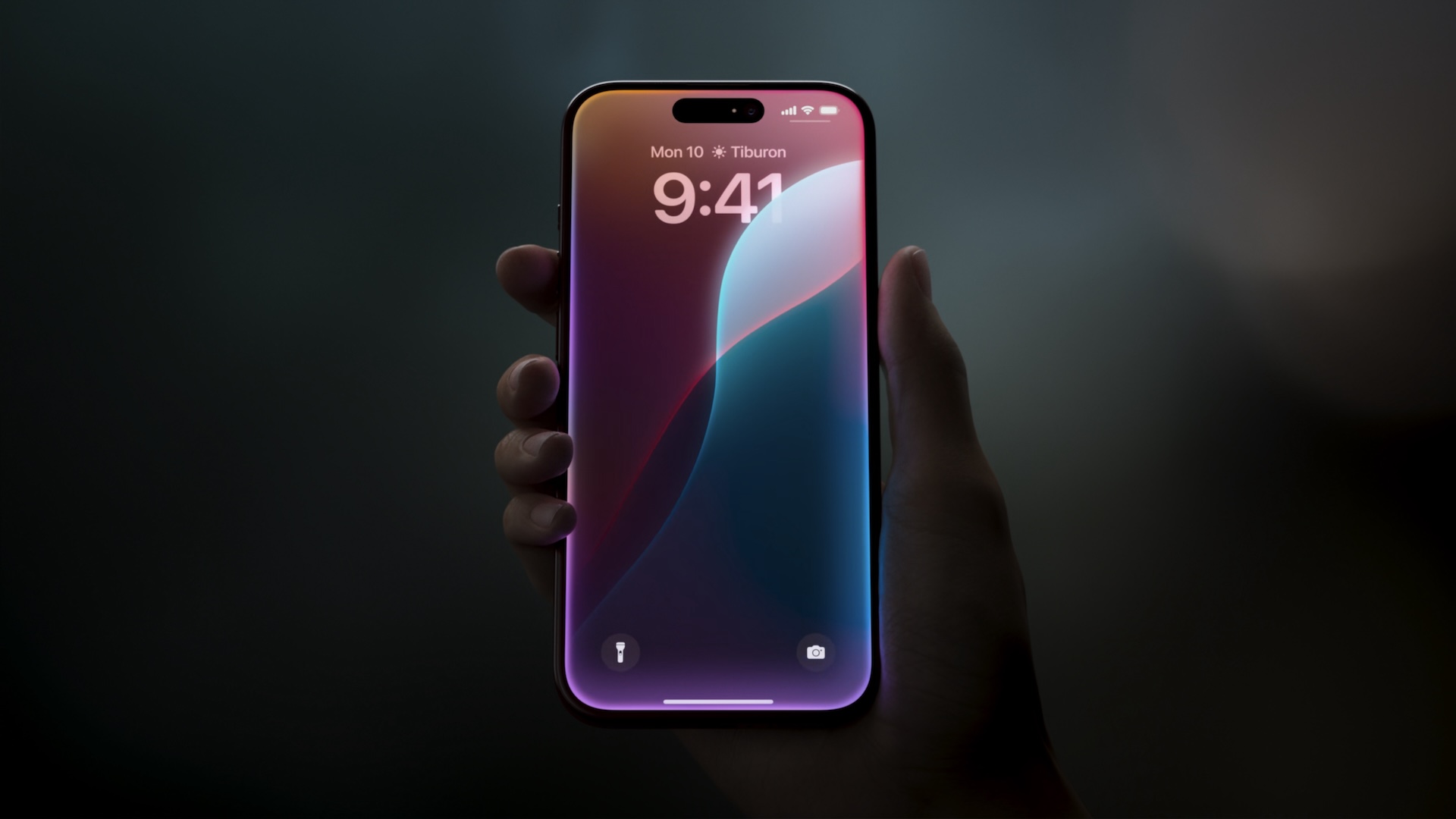
For years, Siri has existed as a floating layer over iOS — invoked, answered, dismissed. It has been quick, reactive, and intentionally lightweight. The new direction described in recent reporting suggests Apple is preparing something deeper and more persistent. Instead of appearing only as a voice overlay, Siri may soon operate as a structured interface with memory, continuity, and visible conversation history.
That distinction changes expectations immediately. A threaded system implies that interactions do not disappear after completion. Instead of isolated commands, users could build ongoing exchanges that evolve across minutes or even days. Planning a trip, drafting ideas, organizing research, or refining written content would no longer require restarting context with each prompt.

A Dedicated Siri App With Threaded Conversations
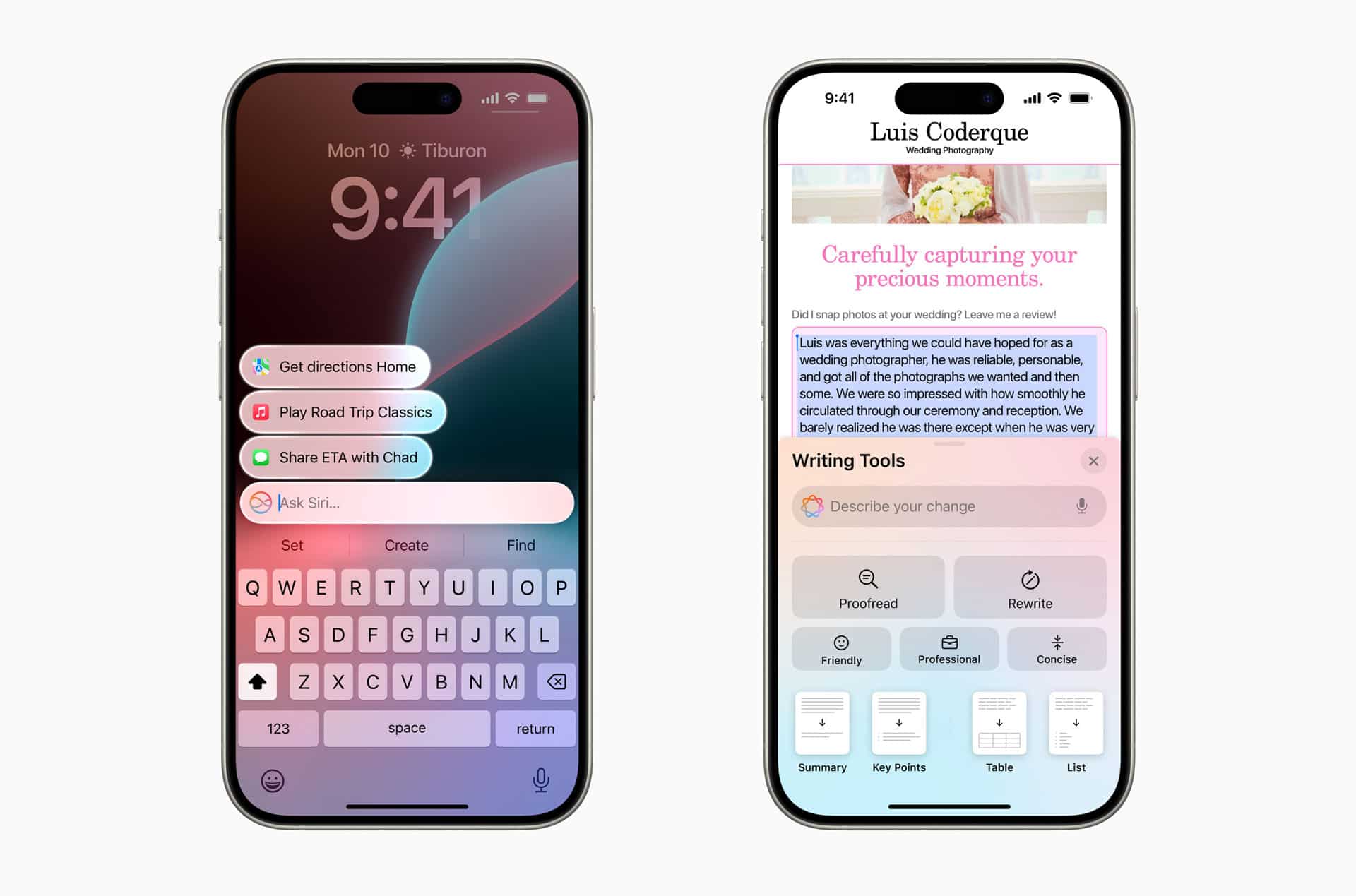
One of the most significant elements reported is the possibility of a standalone Siri app. Rather than existing only as an invisible layer within other apps, Siri could have a visible home on the iPhone. Inside this environment, conversations may appear in chat-style threads, similar to messaging interfaces.
This shift would allow Siri to function visually as well as verbally. Users who prefer typing could engage with the assistant in structured dialogue, reviewing previous responses, editing prompts, and continuing tasks without repetition. Thread persistence suggests improved contextual understanding, enabling the assistant to reference earlier parts of a conversation naturally.
A dedicated app also signals architectural investment. Storing threads requires secure handling of data, clear controls over history, and a transparent way for users to manage stored interactions. Apple’s emphasis on privacy means such a feature would likely include easy deletion options and clear separation between local and cloud processing.
Dynamic Island as a Living Siri Interface
Another reported element is integration into the Dynamic Island. Instead of expanding to full screen, Siri interactions could surface fluidly at the top of the display. This would make the assistant more ambient and less intrusive.
Dynamic Island placement allows real-time transcription, status updates, and suggestion prompts to appear without interrupting the active app. For example, asking a question while browsing Safari could display a concise response without removing the current page from view.
Such integration would transform Siri from a modal experience into a contextual one. The assistant would feel woven into daily interactions rather than summoned as a separate space.

Write With Siri and System-Level AI Access
The introduction of a “Write with Siri” button embedded directly into the keyboard represents a broader strategic move. Instead of requiring voice activation or opening a separate app, AI assistance would become available wherever text is entered.
While composing a message, drafting an email, or editing a note, users could invoke Siri to refine language, suggest rewording, summarize content, or expand ideas. Embedding this tool in the QuickType area keeps it within reach during everyday writing without forcing users into a new interface.
This approach reflects Apple’s preference for integration over separation. Intelligence becomes a layer inside existing workflows rather than a destination users must navigate to.
Stretching Across the 2027 Software Cycle
Reports suggest that these changes may unfold gradually through the iOS 27 lifecycle and into 2027 updates. Such pacing reflects the scale of the transformation. Transitioning from a reactive assistant to a structured conversational platform involves changes in natural language processing, contextual memory systems, and user interface architecture.
Apple has historically introduced foundational updates in major releases and refined them through point updates. A redesigned Siri could follow that pattern, with initial structural elements appearing in iOS 27 and additional features arriving later in the cycle.
This measured rollout also reduces friction. Developers gain time to adjust integrations, and users adapt gradually to new interaction patterns.
A Shift in How Siri Is Used
If these reports hold true, iOS 27 will represent a shift from quick commands toward layered engagement. Siri would no longer exist only as a question-and-answer tool. It could become a workspace assistant capable of maintaining continuity across sessions.
This direction aligns with broader expectations around AI assistants while maintaining Apple’s system-level design philosophy. Instead of promoting Siri as a separate chatbot, Apple appears focused on embedding intelligence into the operating system itself.
The potential combination of threaded conversations, Dynamic Island integration, and keyboard-level access suggests that Siri’s role inside iPhone may expand significantly. Rather than remaining an occasional feature, it could become a continuous presence integrated across writing, planning, searching, and organizing tasks within iOS 27.