
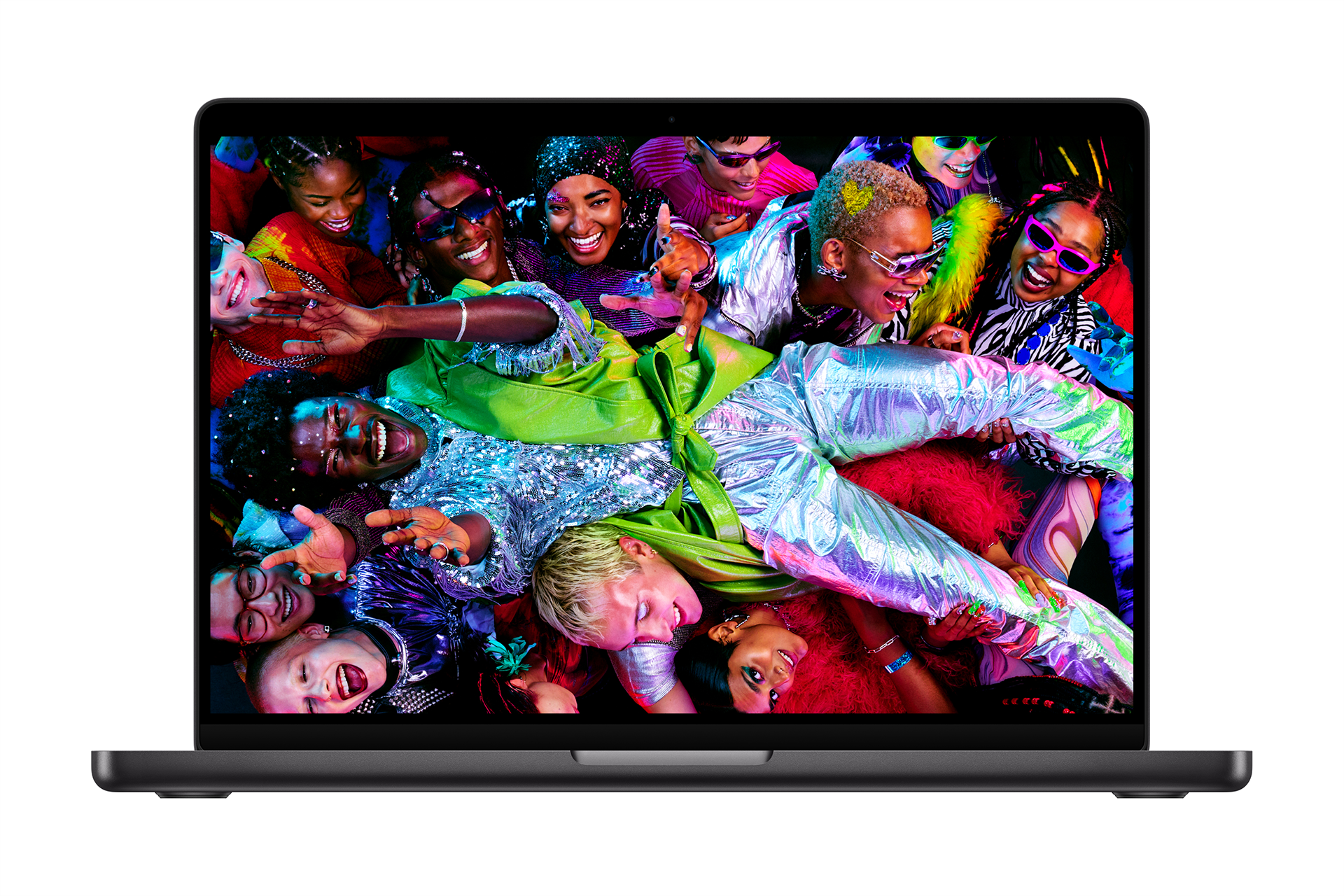
Apple is reportedly preparing to bring OLED displays to its iPad and MacBook models beginning in 2026, signaling one of the company’s most significant hardware transitions in years. The move will mark the first time Apple integrates OLED technology into its larger devices, elevating image quality, battery efficiency, and design flexibility across its high-end product lines.
According to sources close to Apple’s supply chain, the company has finalized plans with key panel suppliers, including Samsung Display and LG Display, to begin large-scale OLED production for iPads and MacBooks next year. This transition follows Apple’s steady migration from traditional LCD and mini-LED panels toward OLED, a technology that offers individually lit pixels for deeper contrast, higher brightness control, and improved power efficiency.
The introduction of OLED to Apple’s Mac and tablet families is expected to mirror the trajectory of the iPhone, which adopted the technology in 2017 with the iPhone X and gradually expanded it across the entire lineup.

A Long-Awaited Upgrade for Apple’s Larger Devices
The iPad Pro is expected to lead Apple’s OLED rollout, with the MacBook Pro following shortly afterward. The new panels will reportedly debut first on high-end models before eventually reaching the broader lineup. For the iPad, the switch to OLED will bring improved HDR performance, richer color accuracy, and smoother scrolling, especially in creative applications.
On the MacBook side, OLED’s ability to produce near-perfect black levels and reduce halo effects will appeal to professional users who rely on precise color grading and contrast control. The technology also enables thinner display modules, potentially allowing Apple to further slim down its next-generation laptops without sacrificing brightness or durability.
Apple’s current 14-inch and 16-inch MacBook Pro models use mini-LED technology, which already delivers excellent contrast but still relies on backlighting. OLED eliminates that dependency entirely, providing per-pixel illumination and dynamic refresh rates that can scale power usage intelligently — a key benefit for portable devices.
Supply Chain and Manufacturing Preparations
Apple’s move to OLED represents years of research, negotiation, and infrastructure investment. The company’s suppliers have reportedly begun preparing production lines for the project, with Samsung and LG leading the charge in developing tandem OLED panels, a next-generation variant designed for extended lifespan and reduced burn-in — both critical factors for larger displays.
Tandem OLED uses multiple emission layers stacked together, improving brightness and efficiency while mitigating degradation over time. This technology, first used in professional monitors, will enable Apple to deliver long-lasting, high-brightness screens suited for laptops and tablets that run for extended hours.
Both Samsung and LG are expected to produce panels for different device categories. Samsung is believed to be handling initial batches for the iPad Pro, while LG is preparing facilities to scale production for MacBook displays in 2026. Apple is also reportedly exploring BOE Technology as a secondary supplier to diversify sourcing and reduce dependency on its Korean partners.
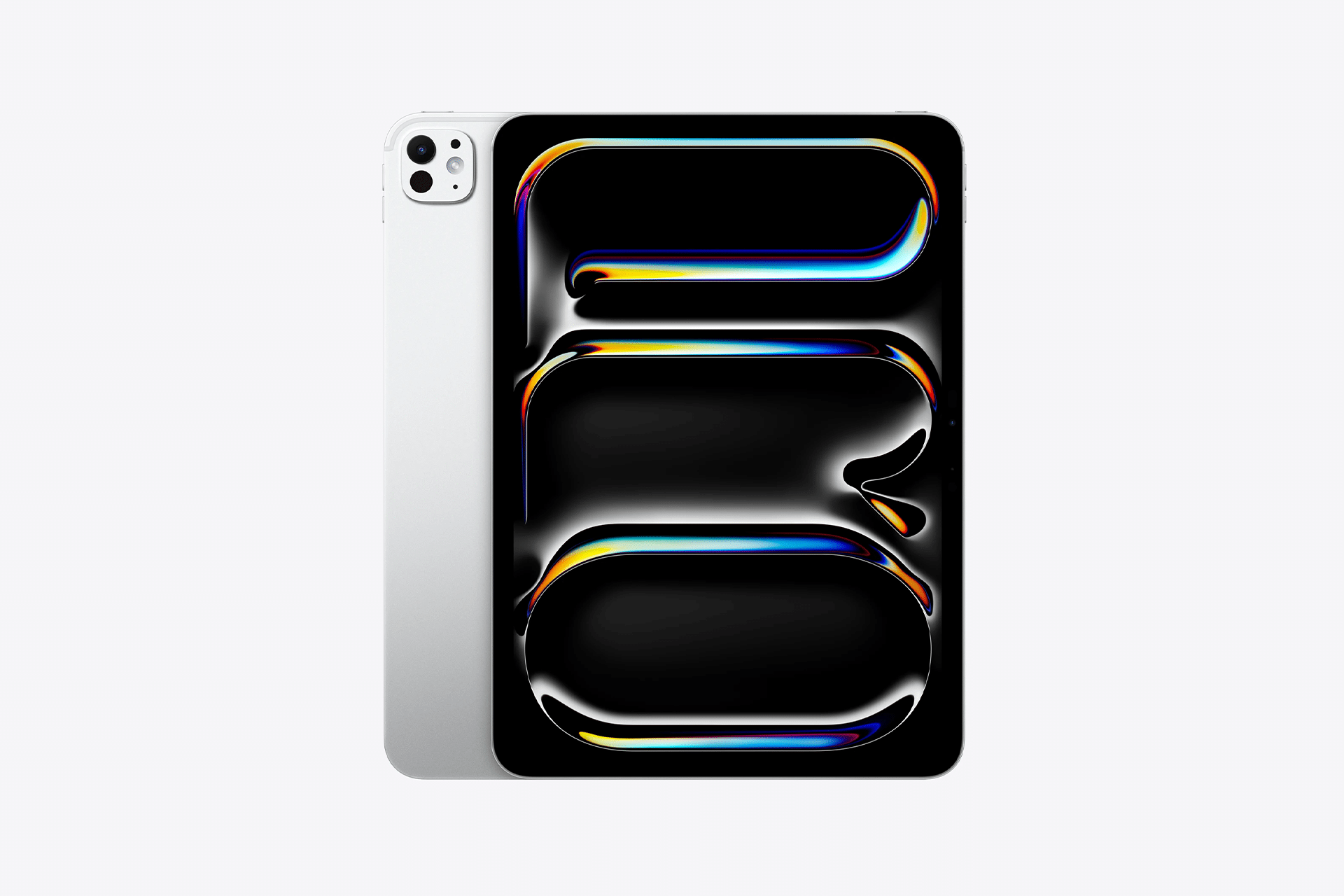
Why Apple Is Transitioning Now
Apple’s timing aligns with key technological and market shifts. OLED production costs have fallen significantly, making it more viable for larger screens. Meanwhile, consumer expectations for premium display performance have risen, especially as rival manufacturers like Dell, Asus, and Samsung already offer OLED laptops.
Internally, Apple views OLED as the next logical evolution after mini-LED, part of a gradual multi-year roadmap that will eventually lead to micro-LED technology — a self-emissive display type still under development. OLED offers an immediate performance boost while preserving Apple’s design goals of thinness, efficiency, and color precision.
Additionally, OLED panels allow for adaptive refresh rates as low as 1Hz, complementing Apple’s ProMotiontechnology to optimize battery life. That efficiency, combined with the deeper contrast and true blacks of OLED, is expected to deliver a visual experience more akin to the iPhone and Apple Watch, both of which already use OLED screens.

Impact on Apple’s Product Strategy
The OLED transition underscores Apple’s broader effort to unify display quality and performance across its ecosystem. Once implemented, users will experience consistent color calibration and contrast from iPhone to iPad to MacBook — an advantage for creators who work across multiple Apple devices.
The shift could also set the stage for new design possibilities, including thinner bezels, lighter enclosures, and even flexible display configurations in future models. Although Apple has not confirmed plans for foldable devices, industry analysts believe the company’s adoption of OLED represents an essential step toward that capability.
Meanwhile, mini-LED is expected to remain in Apple’s lineup for select products such as the standard MacBook Air and entry-level iPads, at least until OLED manufacturing scales sufficiently to match current production volumes.
Analysts forecast that by 2027, nearly all of Apple’s high-end devices — including iPads, MacBooks, and possibly external monitors — will have transitioned to OLED technology. The move could also boost Apple’s margins on premium models, as OLED panels allow higher perceived quality with lower energy consumption.
The switch to OLED means improved visual depth, more accurate color reproduction, and reduced glare. Creative professionals will particularly benefit from the wider color gamut and precise black reproduction that OLED offers, which will enhance editing, animation, and visual effects workflows.
The displays are also expected to support Apple Pencil improvements through faster touch sampling rates and finer stylus accuracy — upgrades that complement Apple’s focus on professional content creation tools.
While Apple has yet to officially announce the new OLED-equipped devices, insiders suggest that the first iPad Pro models with OLED screens could appear in early 2026, followed by MacBook Pro models later that year. Given Apple’s track record of staggered rollouts, the technology will likely arrive on premium products first before filtering down to mainstream models.
Apple’s Display Evolution
Apple’s shift to OLED represents both a technological milestone and a strategic alignment with the company’s long-term hardware vision. It bridges the gap between today’s mini-LED and tomorrow’s micro-LED displays, reinforcing Apple’s role as a leader in premium visual experience.
As production ramps up and the new displays approach release, Apple’s ecosystem is poised to deliver the most consistent, energy-efficient, and visually advanced portfolio in its history — from handhelds to desktops.


