

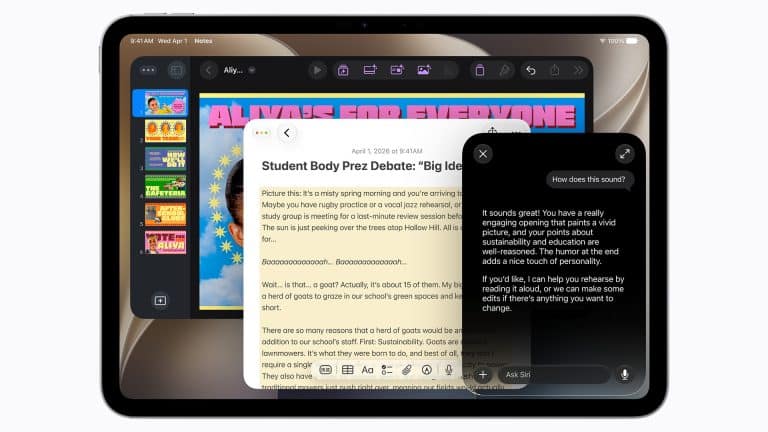
Apple briefly listed iPadOS 27 beta restore images for two older iPad Pro models that are not officially supported by the update, creating a short-lived compatibility mystery for developers checking Apple’s download page after WWDC26.
The issue involved Apple’s developer downloads page, where iPadOS 27 beta 1 restore images appeared to include the 11-inch iPad Pro 1st generation and 12.9-inch iPad Pro 3rd generation. Those two models are not part of Apple’s iPadOS 27 compatibility list. Apple later removed the references, leaving the official support cutoff unchanged.
The mix-up matters because the iPadOS 27 compatibility list is already narrower than some users expected. Apple’s update drops older iPad Pro hardware from the current software cycle, even though those models remained supported by iPadOS 26. A brief developer-download listing that seemed to include them made it look, for a moment, as if Apple might have widened support or made a last-minute exception.
It did not. The official iPadOS 27 list still starts with the 11-inch iPad Pro 2nd generation and 12.9-inch iPad Pro 4th generation for those older Pro designs, along with newer iPad Pro models, M-series iPad Air models, recent standard iPads, and supported iPad mini hardware.

iPadOS 27 Beta Listing Created Confusion
The confusion came from the wording of Apple’s restore image listing. According to 9to5Mac, Apple’s Developer website briefly showed a restore image for “11-in. iPad Pro (1st and 2nd generations), 12.9-in. iPad Pro (3rd and 4th generations).” That grouping included two models not present on Apple’s official iPadOS 27 compatibility list.
The file name reportedly also referenced those unsupported models, making the listing appear more than a simple text label error. Apple later corrected the developer downloads page, and the unsupported iPad Pro models were removed.
Restore images are used by developers and advanced users to install or restore beta software through a Mac. They are different from the over-the-air beta update shown in Settings, but they still matter because Apple’s download page is treated as a direct signal of device support.
That is why the temporary listing spread quickly. If Apple posts a beta restore image for a device, users naturally assume that device can install the software. When that device is missing from the official compatibility list, the result is exactly the kind of confusion seen this week.
The Two Unsupported iPad Pro Models
The two models caught in the listing were the 11-inch iPad Pro 1st generation and the 12.9-inch iPad Pro 3rd generation. Both were introduced in 2018 and use Apple’s A12X Bionic chip.
These iPads were major devices when they launched. They brought the modern flat-sided iPad Pro design, Face ID, USB-C, slim bezels, and a much more laptop-like direction for the iPad line. For many users, they still feel powerful enough for browsing, video, writing, drawing, note-taking, and even some creative work.
That is part of why the cutoff is frustrating. The 2018 iPad Pro was one of Apple’s most forward-looking iPad releases, and its design language still resembles newer models. But iPadOS 27 appears to draw the line just after it, leaving the 2020 iPad Pro models and newer on the main update path.
The practical cutoff means the 11-inch iPad Pro 2nd generation and 12.9-inch iPad Pro 4th generation are supported, while their 2018 predecessors are not. For users who still own the first modern-design iPad Pro, the temporary beta listing may have raised hopes that were quickly shut down.
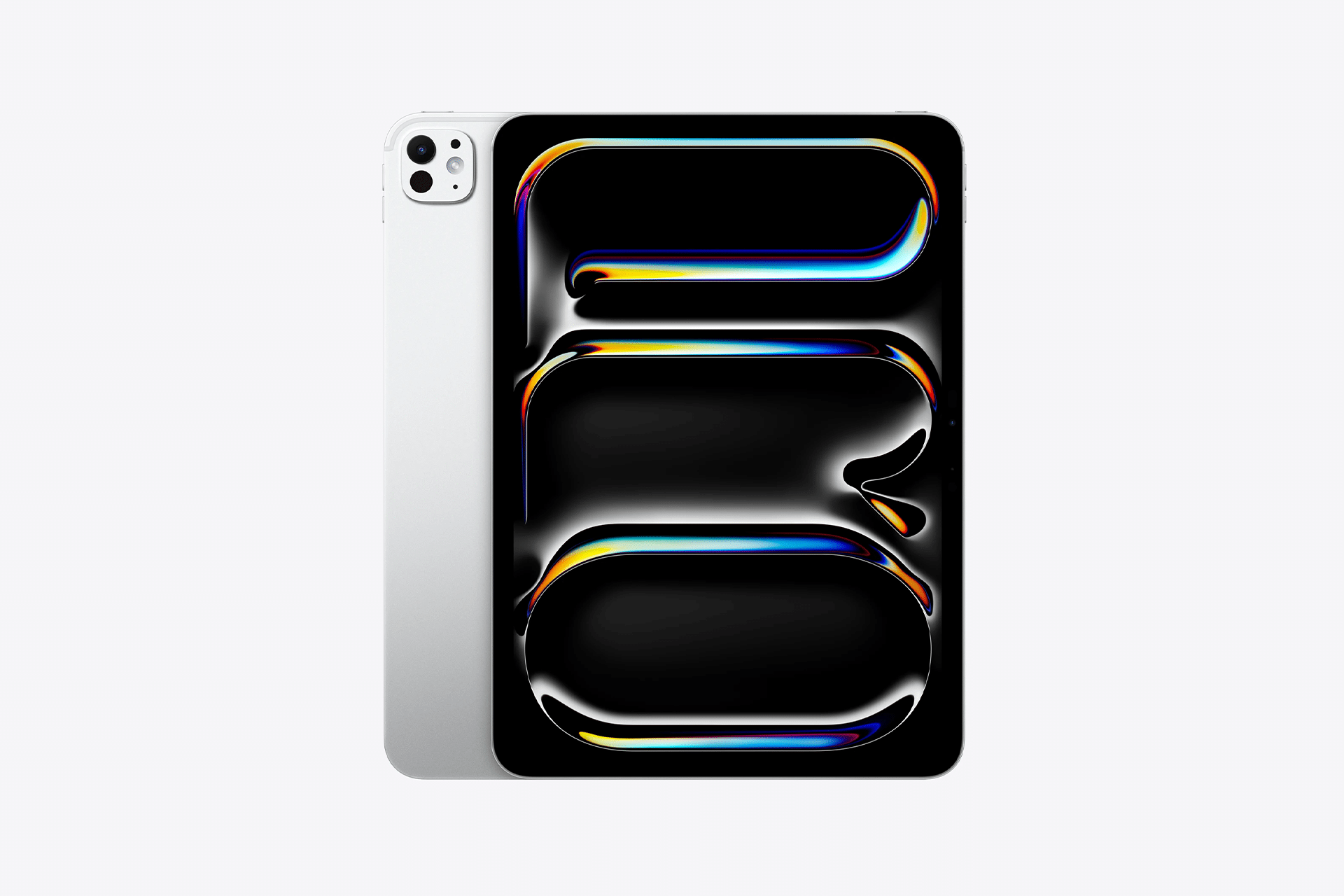
Official Compatibility Still Leaves Them Out
Apple’s iPadOS 27 compatibility page lists support for newer iPad Pro models, including iPad Pro M4 and later, 12.9-inch iPad Pro 4th generation and later, and 11-inch iPad Pro 2nd generation and later. It also includes newer iPad Air, iPad, and iPad mini models, depending on generation.
That official list is what users should follow. The developer-download mistake does not mean the older iPad Pro models are supported, and users should not expect the final release to arrive for them unless Apple changes its published compatibility list.
This is especially relevant during beta season. Apple’s developer pages, restore images, release notes, and support pages can shift quickly after WWDC. Early listings sometimes include mistakes, omissions, placeholder text, or file groupings that later get corrected. The safest reference is Apple’s current compatibility page, not a temporary beta-download label.
For developers, the correction also matters for testing plans. Apps targeting iPadOS 27 should be tested on supported hardware, especially if they depend on newer APIs, Apple Intelligence, Siri AI, or performance changes tied to newer chips.
Why Apple May Have Drawn the Line
Apple has not given a detailed public explanation for why the 2018 iPad Pro models are excluded from iPadOS 27, but the likely reasons are hardware baseline, memory, AI requirements, and long-term platform planning.
iPadOS 27 is tied more closely to Apple Intelligence, Siri AI, visual intelligence, performance refinements, and newer multitasking behavior. Even if not every feature requires the newest hardware, Apple may have decided that older A12X models no longer fit the baseline it wants for this release.
That does not mean the 2018 iPad Pro is weak in ordinary use. It means Apple’s software roadmap is moving toward features that depend more heavily on Neural Engine performance, memory, on-device processing, and modern system architecture. The iPad Pro line has also moved through A12Z, M1, M2, M4, and newer Apple silicon generations since those models launched.
There is also the support-window question. The 2018 iPad Pro models received years of major iPadOS updates. Apple may see iPadOS 26 as the end of that cycle, even if many users feel the hardware still has life left.
The Beta Mistake Shows the Problem With Compatibility Messaging
The brief listing exposes a larger issue with Apple’s compatibility messaging during WWDC season. Users want a simple answer: will my device get the update or not? When a developer download appears to say yes while Apple’s compatibility page says no, the message becomes messy.
This is especially sensitive for iPad Pro owners because these devices are expensive and often kept for many years. A 2018 iPad Pro may not feel old in the same way as a budget tablet from the same period. Its design, display, USB-C port, keyboard support, and accessory ecosystem still make it look and feel modern.
That makes the cutoff feel sharper. Apple can be technically justified in moving the platform forward, but users still see capable hardware being left behind. A mistaken beta listing only adds to that frustration.
The episode also shows why Apple needs consistency across its developer pages, public compatibility pages, release notes, and beta downloads. During the first days after WWDC, small inconsistencies can create unnecessary confusion for users and developers.
Unsupported Does Not Mean Useless
For owners of the 11-inch iPad Pro 1st generation and 12.9-inch iPad Pro 3rd generation, the news is disappointing, but it does not make the devices useless. They should continue running iPadOS 26, and Apple may still provide security updates for older iPadOS releases for a period of time.
Apps will also continue supporting older iPadOS versions for some time, depending on developer choices. Many everyday tasks should remain fine: web browsing, streaming, note-taking, email, messaging, reading, drawing, and document work.
The limitation is future software. These iPad Pro models will miss iPadOS 27 features, future Apple Intelligence improvements tied to the release, newer system updates, and eventually some app compatibility as developers raise minimum requirements.
For users who need the latest iPadOS features, the upgrade path now begins with newer iPad Pro models or other supported iPads. For users who mostly use the iPad as a media, writing, browsing, or drawing device, the older iPad Pro may still be useful for longer.