


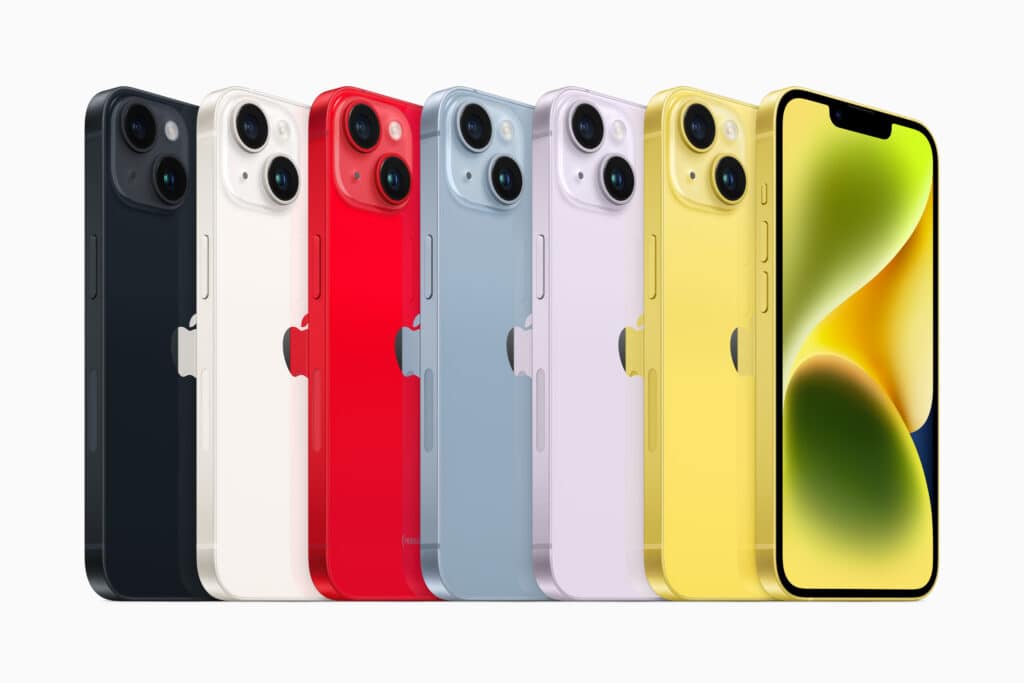
The iPhone 14 is not obsolete, but it is no longer young. Released in a different phase of Apple’s hardware and software cycle, it now sits at a point where small compromises start to show up in daily use. Battery health, storage pressure, and newer iOS features all play a role in that feeling that the phone needs more attention than it used to.
For many people, the question is no longer “Is it still good?” but “Is it still the best option for how I use my phone today?”
Battery Life Is Usually the First Signal
After a few years of daily charging, battery wear becomes noticeable. Shorter screen-on time, faster drops below 20 percent, and performance throttling during heavier tasks are common signs.
iPhone 14 batteries are now at an age where many units sit well below their original capacity. While battery replacement is an option, it’s also a point where users start comparing costs. Replacing a battery can extend life, but it doesn’t address other limitations that come with time.
If you find yourself planning your day around a charger, it’s often the clearest signal that it’s time to rethink your setup.


iOS Compatibility Still Exists, But With Limits
Apple continues to support iPhone 14 with iOS updates, which is a major advantage. However, newer versions of iOS increasingly lean on hardware features introduced in later models.
This doesn’t mean iPhone 14 stops working well overnight. It means some newer system features feel lighter, slower, or unavailable compared to newer generations. Over time, that gap becomes more noticeable, especially as Apple leans further into on-device intelligence and system-wide automation.
Storage and Memory Pressure Add Up
Many iPhone 14 models were purchased with storage configurations that felt generous at the time. A few years later, photos, videos, apps, and system data can fill that space quickly.
Once storage gets tight, performance suffers. Apps reload more often. Updates feel heavier. Everyday tasks take longer than they should. Clearing space becomes a recurring chore rather than a one-time cleanup.
This is another subtle signal that the device is nearing the edge of comfortable daily use.
Upgrade Paths That Make Sense Right Now
Upgrading doesn’t necessarily mean buying the newest iPhone at full price. Apple’s Trade In program offers a simple way to reduce the cost of a newer model by exchanging your current device.
Carriers also continue to push upgrade plans that spread costs over time, sometimes paired with incentives tied to newer generations.
For users who don’t need the very latest hardware, the second-hand market has become especially attractive. A well-kept iPhone 15 or iPhone 16 can feel like a major leap from iPhone 14, with better battery efficiency, more headroom for iOS updates, and stronger performance, often at a much lower price than buying new.


When Keeping the iPhone 14 Still Makes Sense
If your iPhone 14 still lasts a full day, runs smoothly, and meets your storage needs, there’s no urgent reason to change. Apple builds longevity into its devices, and many users can comfortably extend usage with a battery replacement alone.
The key is awareness. An older iPhone doesn’t fail suddenly. It fades slowly. Paying attention to those early signs lets you plan an upgrade on your terms, rather than reacting when the device becomes frustrating.
A Moment Worth Re-evaluating
The iPhone 14 sits at a natural transition point. Not outdated, but no longer optimized for where Apple’s ecosystem is heading. Whether through trade-in, carrier plans, or a carefully chosen second-hand upgrade, now is a good time to reassess what you expect from your phone.
An upgrade doesn’t just bring new features. It often restores ease. Longer battery life. Smoother performance. More room to grow with iOS.
Sometimes, that refresh is exactly what keeps your daily digital life feeling effortless.

