

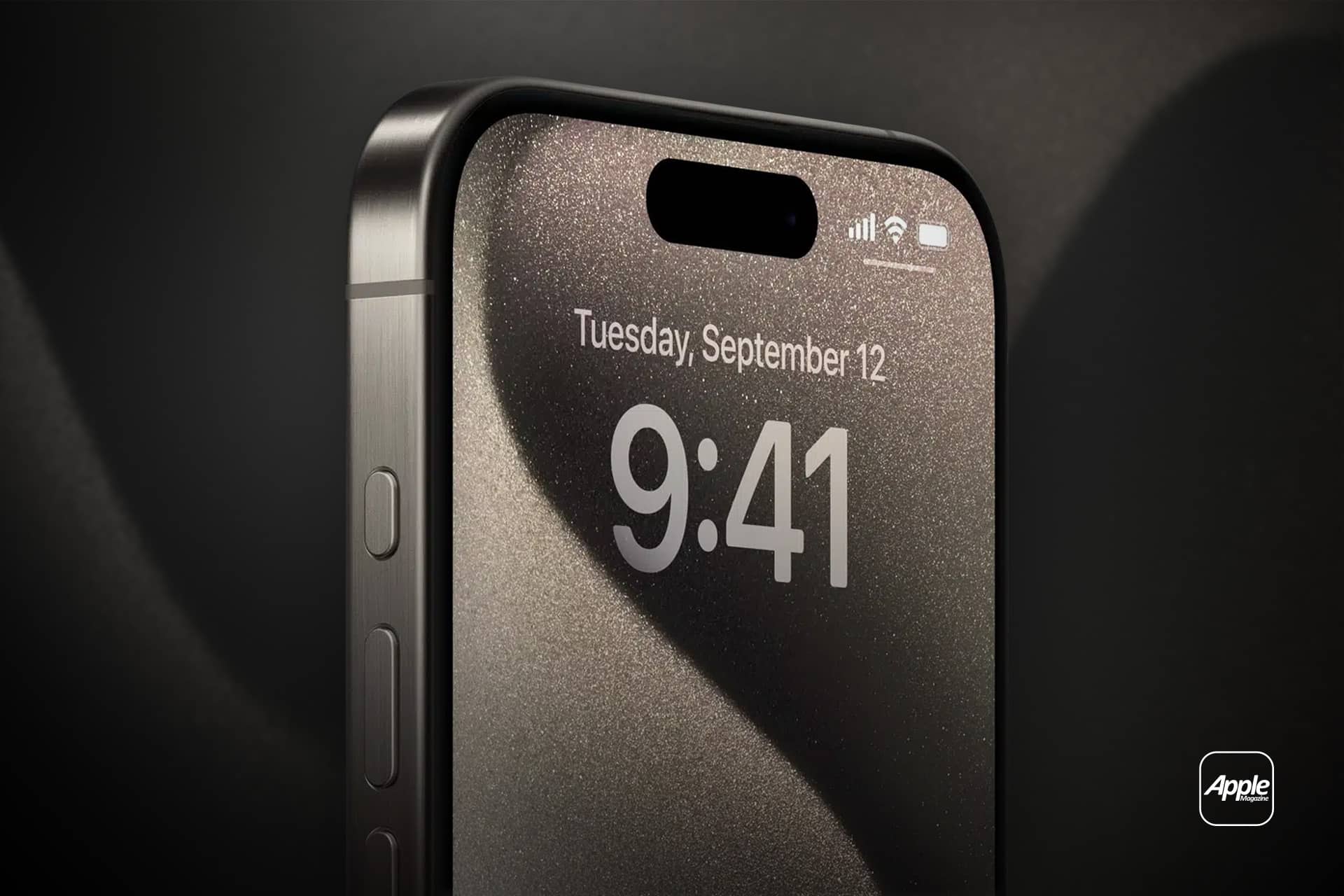
The iPhone 15 Pro Max launched as a device that many considered complete. Titanium construction reduced weight while maintaining structural strength. Performance exceeded daily requirements. Camera capabilities met professional expectations. The device did not feel transitional. It felt settled.
Under the traditional two-year cycle, iPhone 15 Pro and iPhone 15 Pro Max owners were positioned to upgrade to iPhone 17 Pro and iPhone 17 Pro Max in 2025. That transition typically delivers a meaningful leap.
What changed was not performance — it was design direction.
Why Many Skipped iPhone 17 Pro
When the iPhone 17 Pro lineup arrived, internal upgrades were present. Faster silicon. Camera refinements. Efficiency improvements. Those were expected.
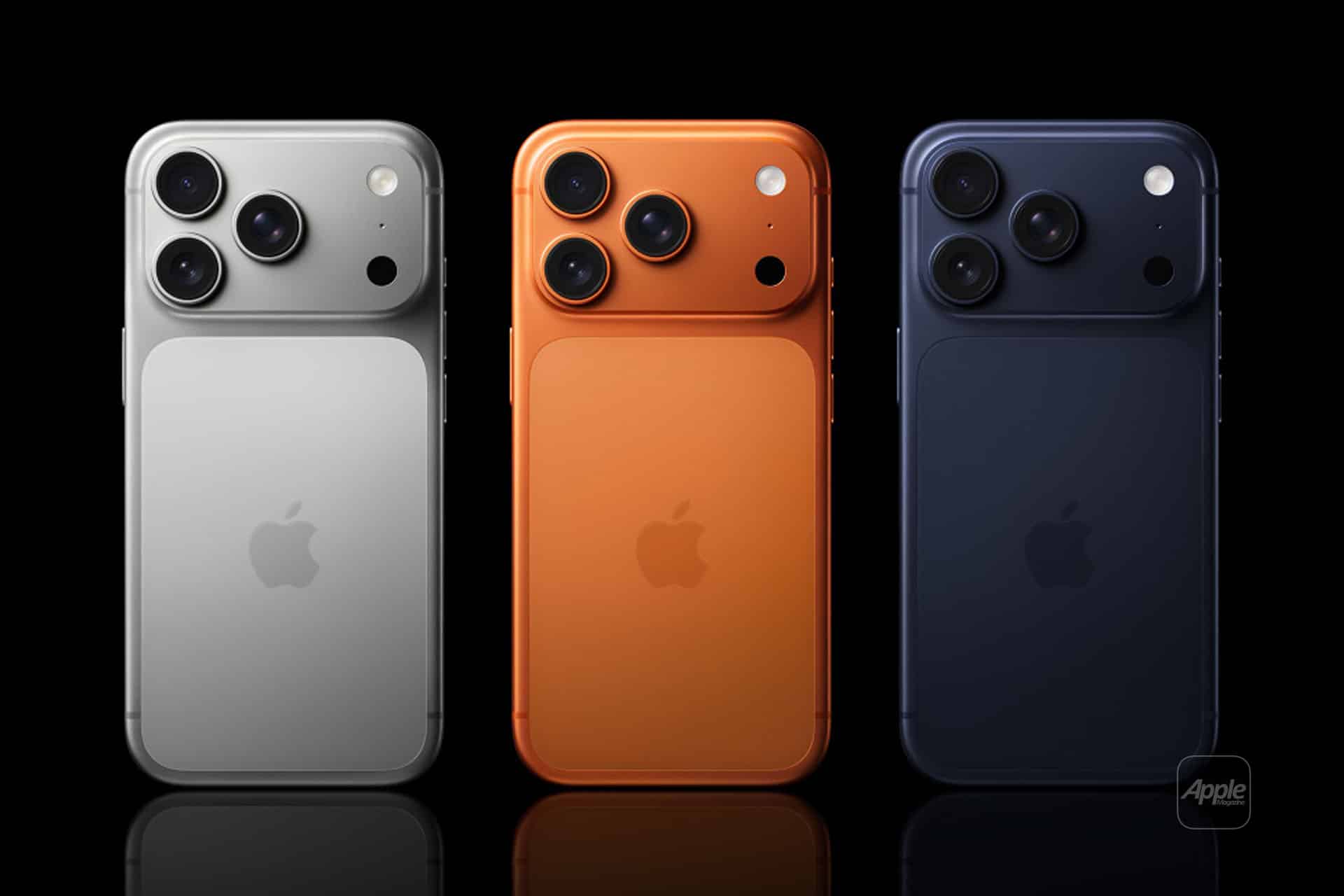
The hesitation came from structural changes. The 17 Pro generation introduced a noticeably different material and weight profile. For some users, the shift toward a more reinforced aluminum-based structure altered the balance that made the 15 Pro generation appealing.
The iPhone 15 Pro Max represented a specific combination: large display, strong build, relatively lighter feel for its size. For users who value weight distribution and slim profile as much as raw hardware strength, that balance matters.
Moving to a device that feels thicker or heavier — even if technically stronger — is not automatically perceived as progress.
This is why many skipped the 17 Pro generation entirely.

Battery Wear Did Not Force the Upgrade
At the two-year mark, many iPhone 15 Pro Max units are approaching or sitting around 80 percent battery health. Historically, that has been the moment users transition to a new model.
Instead, a significant group opted for battery replacement.
Replacing the battery restores endurance without sacrificing preferred design. The processor remains powerful. The camera remains competitive. The display remains high quality. Performance did not decline enough to justify abandoning the form factor.
The decision became simple: maintain the design they prefer and wait.
Now Looking Toward iPhone 18
With iPhone 17 Pro now established in the market, attention has shifted to iPhone 18 lineup. For those who skipped their expected two-year upgrade window, 2026 becomes the new evaluation point.
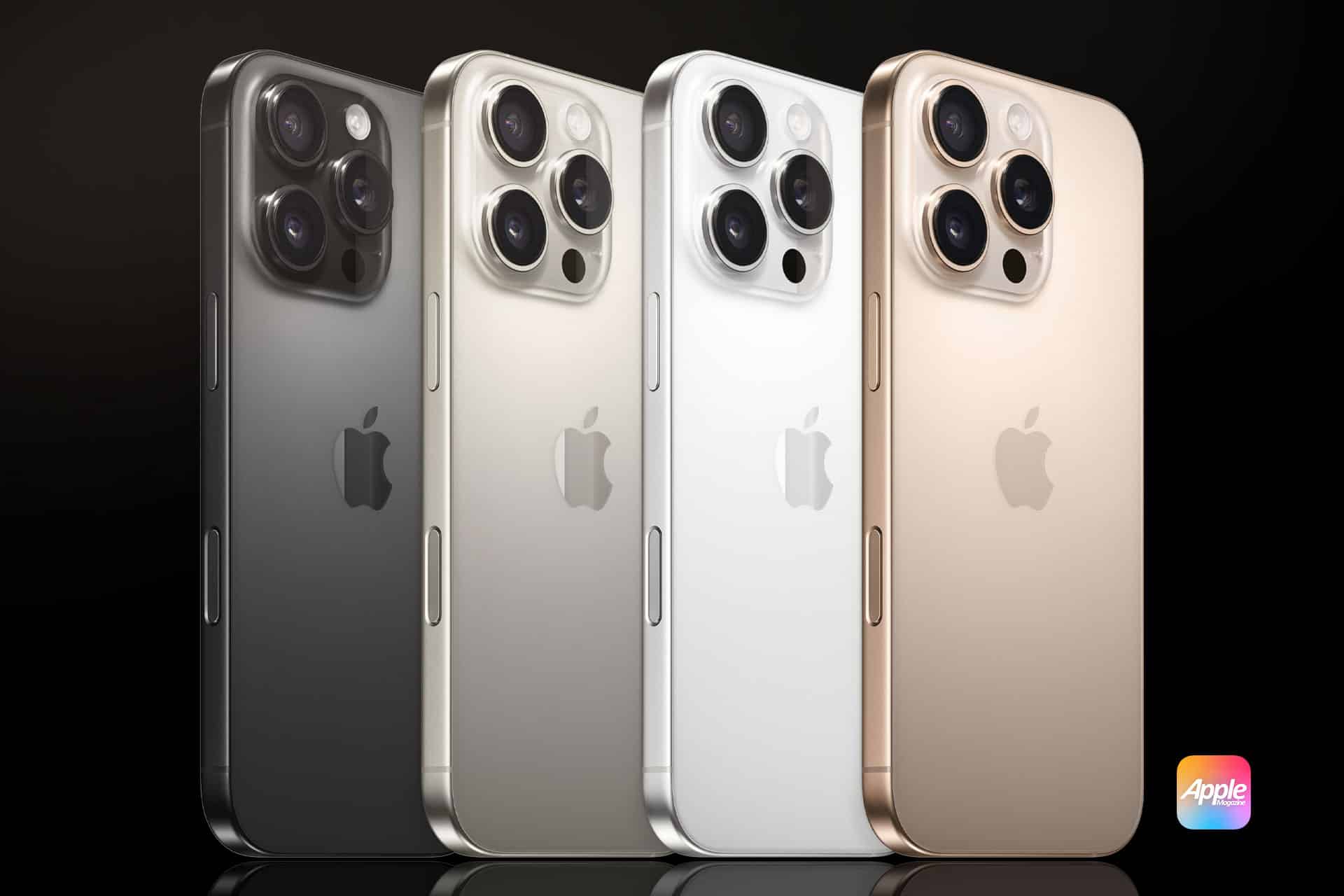
The expectation is not only faster silicon. It is a potential recalibration of materials, thickness, and ergonomics. If iPhone 18 restores a lighter or more refined design profile while advancing performance, it becomes the natural upgrade target.
If not, the cycle may stretch even further.
Design Has Become the Upgrade Trigger
Performance improvements alone no longer drive immediate upgrades for Pro users. The iPhone 15 Pro Max still performs at a level that satisfies demanding workflows. Camera output remains strong. Daily interaction remains smooth.
What changes the decision is how the device feels.
Weight. Thickness. Edge geometry. Material texture.
For a growing segment of iPhone 15 Pro and 15 Pro Max owners, skipping iPhone 17 Pro was not resistance. It was selectivity. They are waiting for a generation that combines advancement with a physical experience that aligns with what they value.
And for many of them, that next decision point is iPhone 18.