

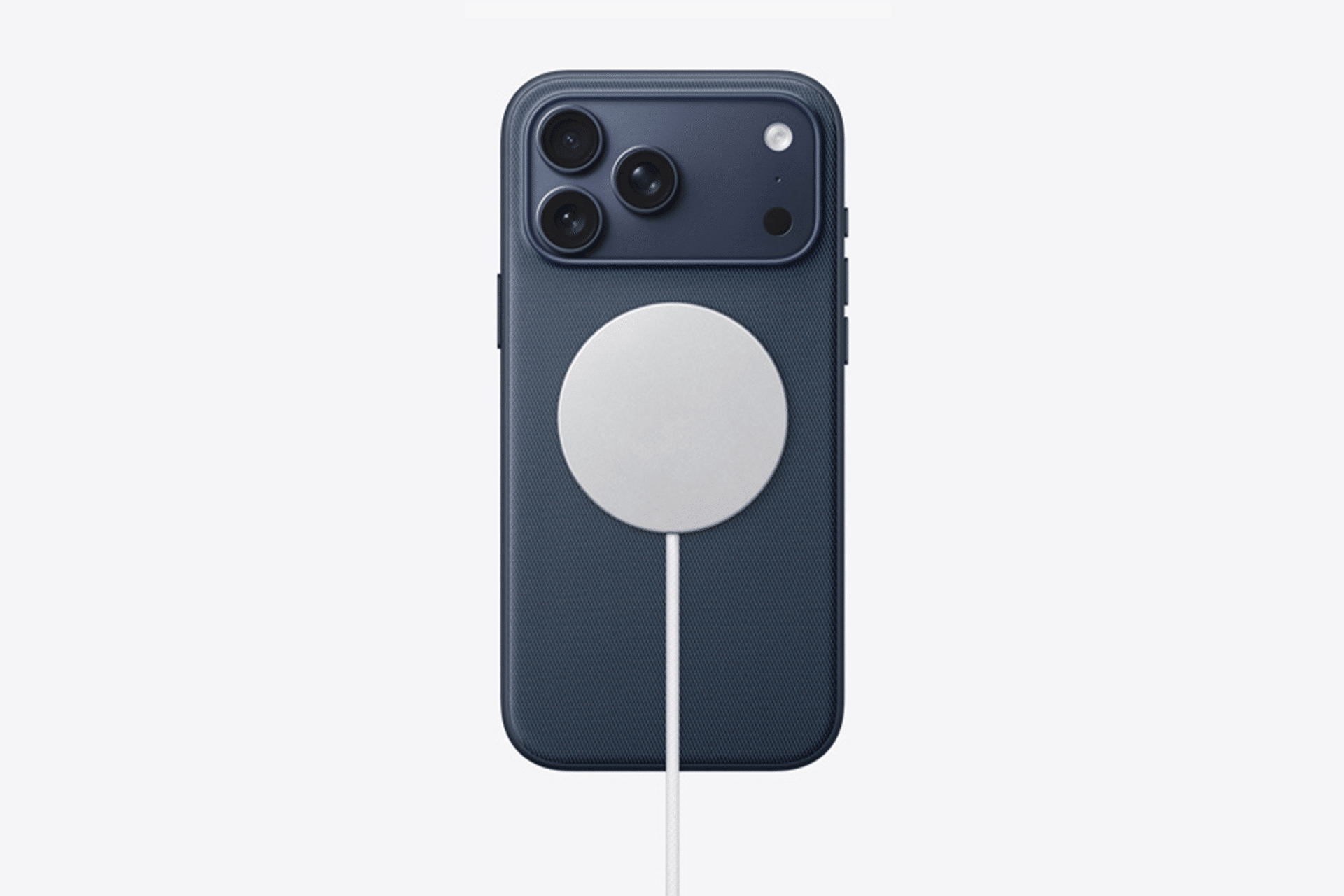
iPhone 17 battery life is one of the strongest selling points in Apple’s latest lineup, but the numbers need to be read with realistic expectations. Apple’s official battery claims are useful for comparing models, yet they do not perfectly predict how long every user’s phone will last in a normal day filled with 5G, camera use, messaging, navigation, social apps, gaming, streaming, brightness changes, and background activity.
- Apple lists the standard iPhone 17 at up to 30 hours of video playback and up to 27 hours of streamed video playback.
- The iPhone 17 Pro is rated at up to 33 hours of video playback and up to 30 hours of streamed playback.
- The iPhone 17 Pro Max reaches up to 39 hours of video playback and up to 35 hours of streamed playback, making it the clear endurance leader in the lineup.
Those numbers are impressive, but they represent controlled categories. Video playback is not the same as mixed daily use. A user who watches downloaded video at moderate brightness may get much closer to Apple’s long-duration claims than someone who spends the day recording 4K video, using maps, gaming, taking photos, switching between 5G and Wi-Fi, running Apple Intelligence features, and keeping the display bright outdoors.
That gap between claims and reality is where expectations matter. The iPhone 17 family has strong battery performance overall, but the experience is not equal across models. The Pro Max is built for users who want the longest runtime. The standard iPhone 17 is better than many older iPhones but should still be treated as an all-day phone rather than a two-day phone for heavy users.

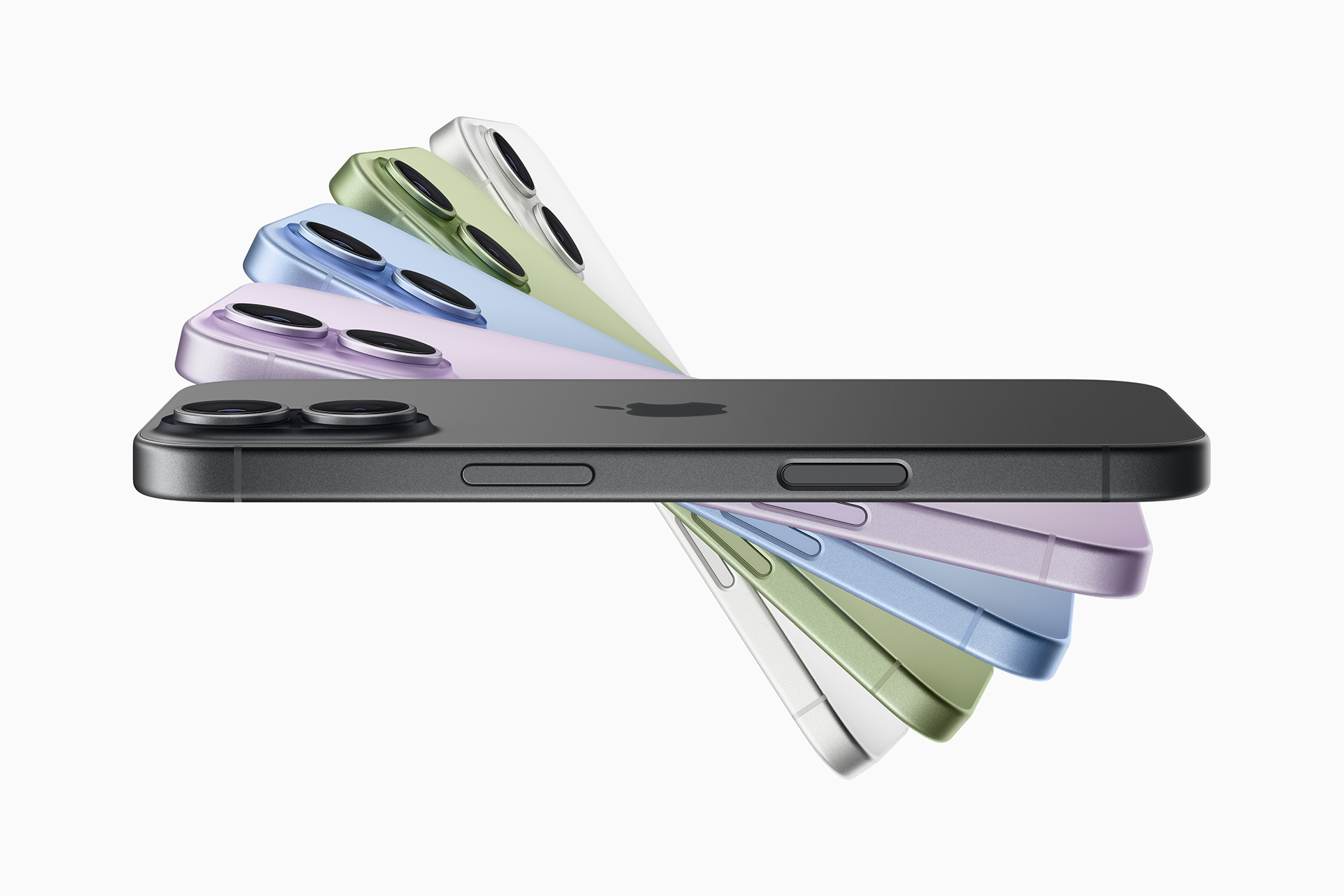
Apple’s Numbers Are Comparison Tools
iPhone 17 battery life claims are best used as comparison tools between models. Apple tests video playback and streamed video playback under specific conditions, which makes the numbers useful for seeing the relative difference between iPhone 17, iPhone 17 Pro, and iPhone 17 Pro Max.
That relative difference is important. The Pro Max has a much larger battery advantage because it has more internal space for the battery and is built around endurance as part of its value. The smaller Pro offers stronger performance than the standard model in Apple’s listed video categories, but it does not match the Pro Max. The standard iPhone 17 remains capable, but it is not the battery king of the family.
Real-world testing from reviewers has generally matched that hierarchy. The iPhone 17 Pro Max has been repeatedly described as a top-tier battery performer, with some reviewers reporting close to two days of mixed use depending on habits. The standard iPhone 17 has been more modest, strong enough for typical daily use but less impressive than the largest model and some Android competitors in endurance-focused tests.
That does not make Apple’s claims misleading. It means buyers need to understand what is being measured. A video playback number favors steady, predictable use. A normal day is chaotic. The display wakes often. Apps refresh. Cellular signal changes. The camera processes images. Notifications arrive. Maps and Bluetooth run in the background. The battery drains differently.
For buyers comparing models, the practical reading is simple. Choose iPhone 17 Pro Max if battery life is the top priority. Choose iPhone 17 Pro if battery life matters but size and weight also matter. Choose standard iPhone 17 if the goal is a balanced current-generation iPhone and charging once a day is acceptable.
5G, Brightness, and Camera Use Change Everything
iPhone 17 battery life depends heavily on how the phone is used. The biggest real-world battery drains are often not surprising: screen brightness, cellular signal, camera use, gaming, navigation, hotspot, and long video calls.
Brightness is one of the biggest variables. A phone used indoors at moderate brightness can last much longer than the same phone used outdoors under sunlight. Modern displays can get extremely bright, and that brightness costs power. A day spent walking, commuting, navigating, filming, and checking the phone outside will not look like Apple’s controlled playback number.
5G can also change expectations. When signal is strong, modern iPhones manage cellular power efficiently. When signal is weak, the phone works harder to maintain connection. Moving through buildings, trains, cars, stadiums, airports, or dense city areas can create more battery drain because the phone is constantly adjusting radios and reconnecting.
The camera is another major factor. iPhone 17 models are built for high-quality photos and video, but computational photography is power-intensive. Shooting 4K video, ProRes, Dolby Vision, high-frame-rate clips, spatial video, or long camera sessions can drain the battery much faster than browsing or messaging. The Pro models are especially likely to be used this way because buyers choose them for camera power.
Gaming and AI features can also reduce runtime. A graphically demanding game stresses the chip, display, speakers, network, and sometimes controller connection at the same time. Apple Intelligence features may run efficiently when processed on device, but heavy tasks, cloud requests, image generation, or repeated writing and summarization workflows still add to daily power use.
This is why two users with the same iPhone 17 can report very different battery life. One may end the day with 40 percent. Another may need a charger by dinner. Both can be telling the truth.
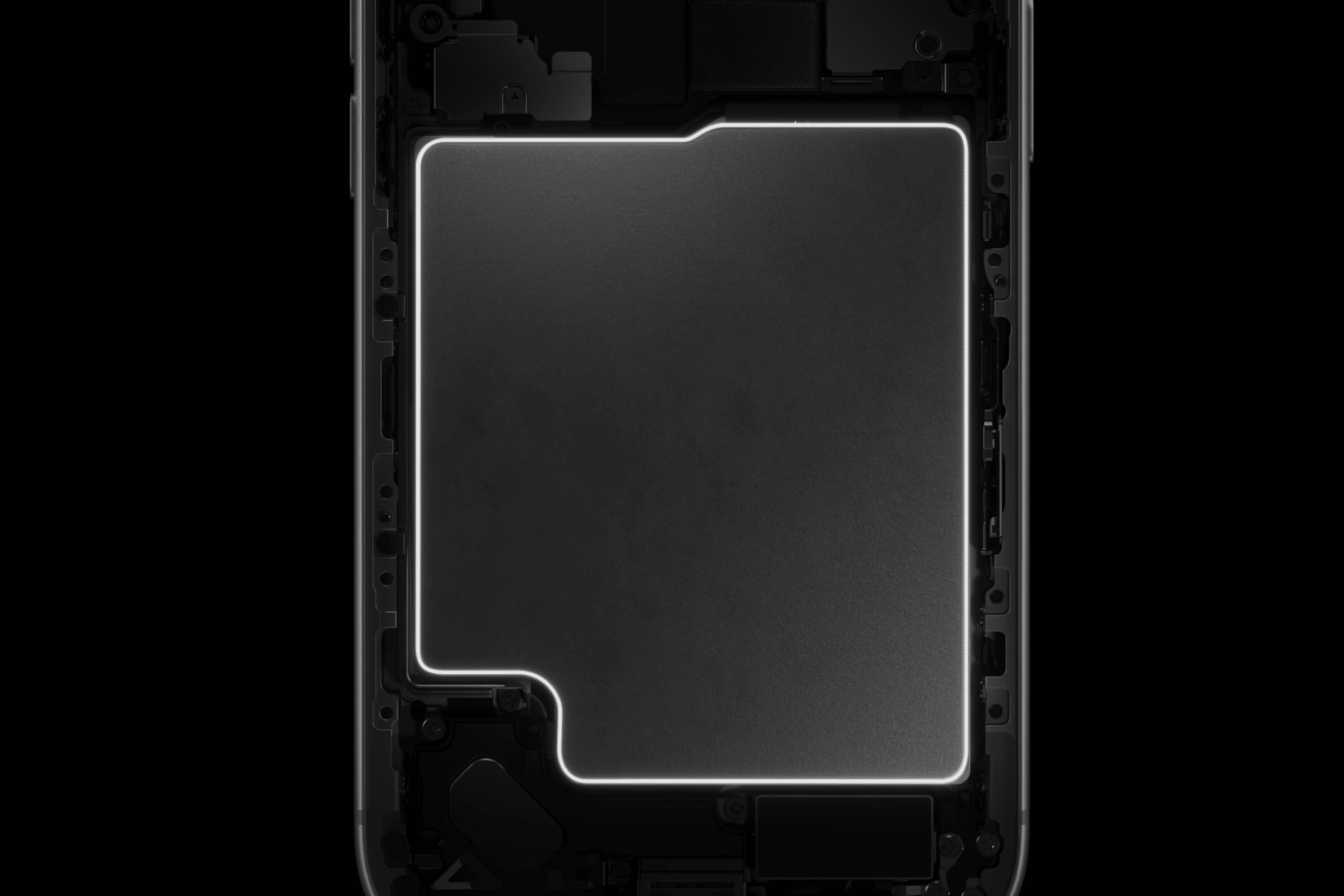
Charging Speed Helps, but It Does Not Replace Endurance
iPhone 17 charging improvements help reduce battery anxiety. Apple says iPhone 17, iPhone 17 Pro, and iPhone 17 Pro Max can fast-charge to around 50 percent in about 20 minutes with a 40W or higher USB-C power adapter and compatible cable. Apple also lists up to 50 percent in about 30 minutes with a 30W or higher adapter paired with a MagSafe Charger.
That changes daily behavior. A user does not always need a full charge. A short charge before leaving home, during breakfast, at a desk, or while getting ready can add enough battery for the next part of the day. For heavy users, fast charging may matter as much as the total battery claim.
To check battery health and charging:
Settings > Battery > Battery Health
To review app battery use:
Settings > Battery > Battery Usage by App
Those screens are useful because they show what is actually draining power. A user may assume the battery is weak when the real issue is a specific app, poor signal, location use, or background activity. Battery settings can reveal whether social apps, maps, games, camera, hotspot, or video calls are responsible for the biggest drain.
MagSafe remains the most convenient charging method for many users, but wired USB-C charging is usually the fastest option when paired with the right adapter. For travel, school, work, or long days away from home, a compact USB-C charger can make more difference than small software tweaks.
Pro Max Buyers Should Expect the Biggest Difference
iPhone 17 Pro Max is the model that most clearly changes expectations. It is the phone most likely to carry heavy users through a long day and sometimes into a second day, depending on habits. Reviewers have reported especially strong endurance from the Pro Max, with real-world use that supports Apple’s position that the larger model is the battery leader.
The tradeoff is size and weight. A larger phone is not ideal for everyone. Some users prefer the standard iPhone 17 or iPhone 17 Pro because they are easier to hold, pocket, and use one-handed. Battery life is only one part of the buying decision.
The standard iPhone 17 is better described as reliable rather than exceptional. It should satisfy many users who charge nightly and use the phone for messaging, browsing, photos, music, maps, and video. It may disappoint buyers expecting Pro Max endurance in a smaller body. The iPhone 17 Pro sits between those extremes, offering a stronger camera and performance package with better endurance than the standard model, but not the same cushion as the Pro Max.
That makes Apple’s lineup clearer. Battery-first buyers should go large. Balance-first buyers can choose the standard or smaller Pro. Camera-heavy users should think carefully, because the very features that make the Pro models attractive can also drain the battery faster when used heavily.

Realistic Expectations Make the Upgrade Better
iPhone 17 battery life is strong, but the best expectation is still practical: most users should expect a full day, heavy users should expect to charge strategically, and Pro Max users should expect the most freedom. Apple’s video playback numbers show the ceiling under controlled use. Real life sets the actual number.
A few habits make the experience better. Use Wi-Fi when available. Avoid keeping brightness unnecessarily high. Check Battery Usage by App after a few days. Keep iOS updated. Use Low Power Mode when needed. Carry a small USB-C charger for long days. Do not judge battery life during the first day after setup, because indexing, downloads, photo syncing, and app restoration can temporarily increase power use.
To turn on Low Power Mode:
Settings > Battery > Low Power Mode
The iPhone 17 battery story is ultimately positive, but it is not magic. Bigger models last longer. Cellular use drains more than Wi-Fi. Camera work drains faster than messaging. Bright outdoor use drains faster than indoor use. Games and real-time content pull harder than passive reading.
Apple’s claims give buyers a useful baseline. Real-world expectations should be built around how the phone will actually be used. For the standard iPhone 17, that means a dependable all-day iPhone for most people. For iPhone 17 Pro, it means stronger endurance with heavier pro features. For iPhone 17 Pro Max, it means the closest thing in the lineup to true battery confidence for users who want the longest possible day away from a charger.